


A Comprehensive Analysis of the Entire Process for Refining Silica Sand, from Raw Sand to Finished Product
A comprehensive analysis of the entire process for refining silica sand—from raw sand to finished product—follows a progressive path from physical impurity removal to chemical purification. With each additional step—scrubbing, magnetic separation, flotation, and acid washing—purity increases by another level, and costs rise accordingly.This article breaks down and explains the complete process of refining silica sand from raw sand to finished product, following the actual configuration logic of a quartz sand production line. OreSolution\'s approach to equipment configuration for this line is woven throughout the text.
Raw Sand Orientation: First, Determine What Your Ore Can Produce
Raw sand is the starting point for refined silica sand. When designing a quartz sand production line, the first step is always mineral processing testing. The reason is simple: the quality of the raw sand determines the length of the process route.
Determining which grade of refined silica sand a quartz ore source is suitable for primarily depends on three factors:
-
Natural SiO₂ grade: Ore sources with low grades require more purification steps, leading to higher costs
-
The form of iron and aluminum impurities: Iron adsorbed on the surface can be removed through scrubbing and magnetic separation; iron embedded within quartz grains often requires acid leaching
-
Content of associated minerals such as feldspar and mica: If the content is high, the flotation process cannot be omitted
With a high-quality ore source, washing and magnetic separation alone can produce standard glass sand; however, for complex ore sources or products intended for photovoltaic or electronic-grade applications, flotation and acid washing must be added to the process.The first step in analyzing the entire process of refining silica sand—from raw sand to finished product—is not selecting equipment, but conducting mineral processing tests. Only after the test report is available will there be a basis for determining which route to take and what equipment to use.
Scrubbing: The First Critical Step in the Quartz Sand Process
Unlike many metal ores, the first core process for quartz sand is not grinding, but scrubbing. The thin film of iron and clay-like impurities on the surface of the raw sand are stripped away by the vigorous agitation and inter-particle friction of the scrubber, and then washed away with water.
A scrubber is the standard starting point for any quartz sand production line. The effectiveness of the scrubbing process directly impacts the efficiency of subsequent magnetic separation and flotation—if surface iron is not removed, even the most powerful magnetic separation will be ineffective.
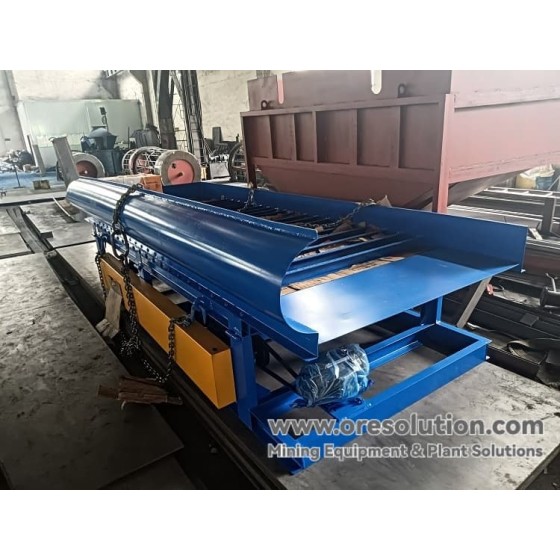
After scrubbing, a dewatering screen and a thickener are typically used to separate the slurry from the water, with the clear water being recycled. This step may seem simple, but if parameters such as scrubbing time, concentration, and water temperature are not properly adjusted, no subsequent process can fully compensate for the shortcomings.
Magnetic Separation: The Main Method for Iron Removal; Number of Stages Depends on Grade
After scrubbing, the material proceeds to magnetic separation. Iron is the primary impurity in refined silica sand, and magnetic separation is the core method for iron removal. The magnetic separation equipment configured in a quartz sand production line is categorized based on its position in the process:
| Magnetic Separation Stage | Typical Equipment | Function |
|---|---|---|
| Upfront Rough Selection | Flat-bed Magnetic Separator | Removes residual mechanical iron after scrubbing; handles large throughput |
| Middle-stage Enrichment | Electromagnetic Slurry Magnetic Separator | Processes fine-grained material to remove weakly magnetic iron-bearing minerals |
| Final-Stage Deep Iron Removal | High-Gradient Magnetic Separator | Essential for photovoltaic and electronic-grade products; provides deep iron removal |
The number of magnetic separation stages depends on the target grade. For ordinary glass sand, a combination of scrubbing, flat-bed magnetic separation, and electromagnetic slurry magnetic separation is generally sufficient. High-purity sand requires high-gradient magnetic separation. For photovoltaic and electronic-grade materials, additional magnetic separation stages are needed, and the field strength and media for each stage must be adjusted based on test data.
Magnetic separation can address iron contamination, but it cannot remove feldspar or mica. If the raw sand contains high levels of these silicate minerals, flotation is required.
Flotation: Separating Feldspar and Mica—The Turning Point for High-Purity Sand
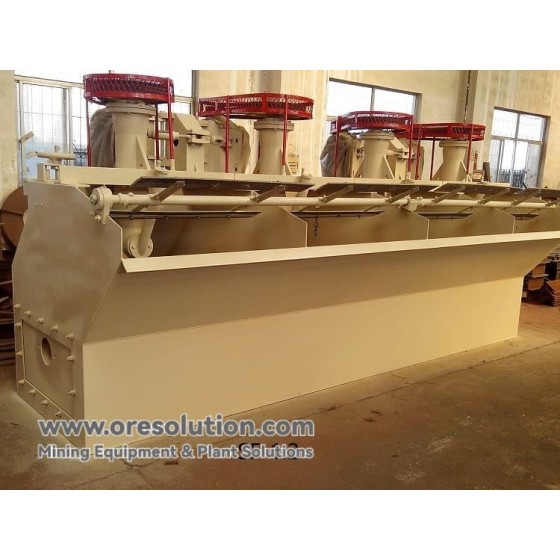
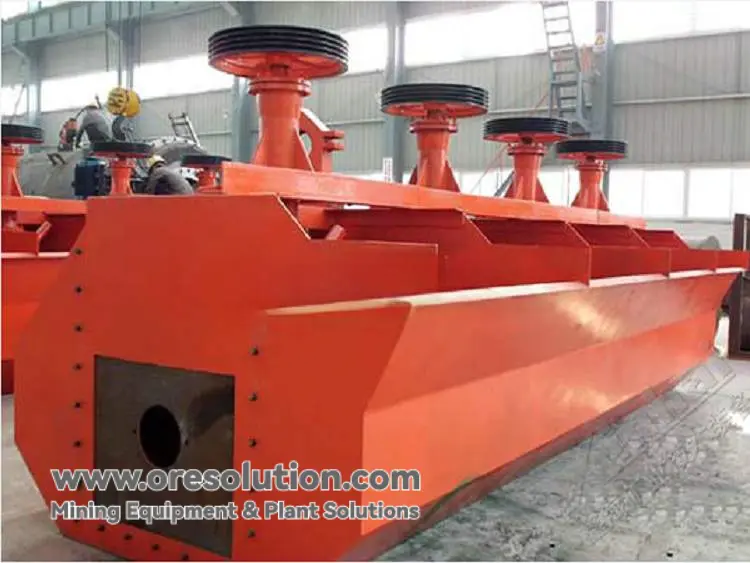
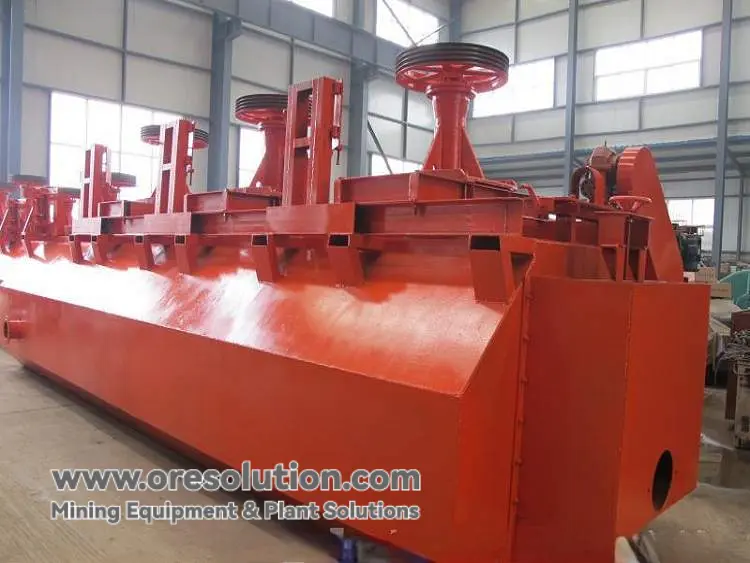
In the silicon sand refining process, flotation is performed after magnetic washing and before acid washing. Its purpose is to separate quartz from feldspar and mica.
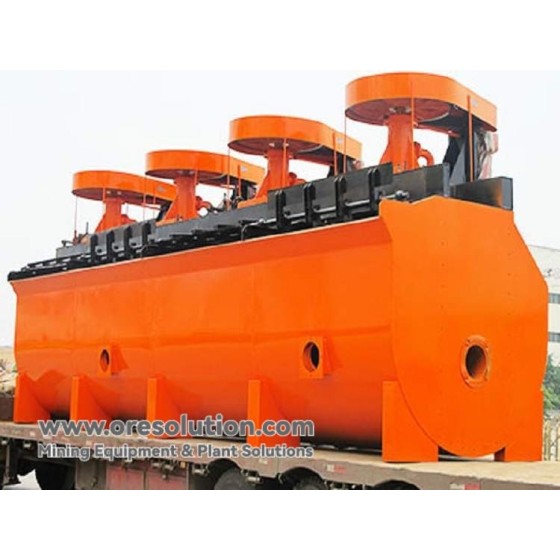
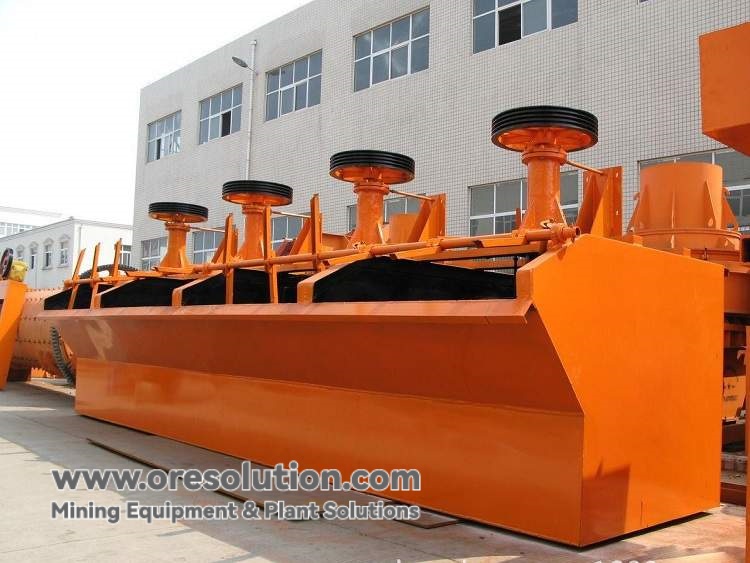
The flotation machines used in quartz sand production lines are primarily of the SF type. Under acidic or neutral pulp conditions, amine collectors are used to float feldspar and mica to the surface, while quartz remains at the bottom of the cell. Flotation concentration, pH, and reagent dosage are all determined by mineral processing tests; there is no single set of parameters that works for all ore sources.
The flotation process marks the dividing line between ordinary glass sand and high-purity sand. Ordinary glass sand has less stringent requirements for feldspar content, so flotation may be omitted; however, for high-purity sand, where aluminum content must be controlled, flotation is generally indispensable.
Following flotation, a thickener and a filter press are required to dewater the concentrate in preparation for the next step.
Acid Washing: An Unavoidable Hurdle for Photovoltaic and Electronic-Grade Silica Sand
Acid washing is the most intensive purification step in the refined silica sand process, and it also faces the greatest environmental regulatory pressure.
Equipment used in the acid washing stage includes acid washing reactors, acid washing tanks, wash filters, and filter presses.Hydrochloric acid, sulfuric acid, hydrofluoric acid, or mixtures thereof come into full contact with the quartz sand in the reactor to dissolve iron oxides and some silicates. The three parameters—acid concentration, temperature, and duration—directly determine the purification effectiveness.
The specifications for quartz sand are very clear: photovoltaic and electronic-grade high-purity quartz sand have extremely stringent requirements regarding iron and aluminum impurities; the acid washing process is mandatory, and the requirements for equipment corrosion resistance and environmental protection are extremely strict.
This statement conveys two key points. First, acid washing is not optional; it is an indispensable step for photovoltaic and electronic-grade products. Second, the associated investment in acid washing cannot be skimped on—acid mist collection, waste acid treatment, neutralization tanks, and corrosion-resistant materials must all be factored into the project budget.
The washing, filtration, and filter-pressing steps following acid washing must thoroughly remove residual acid; otherwise, it will affect the quality of the finished product and the subsequent drying process.
Dehydration, Drying, and Screening: The Final Steps Before the Finished Product
Refined silica sand produced after flotation and acid washing has a high moisture content and must undergo concentration, filter pressing, and drying before entering the final product stage. This process involves high-efficiency thickeners, filter presses, and dryers.
Drying temperature must be carefully controlled: too high results in high energy consumption, while too low prevents thorough drying. Screening and grading are the final steps before shipment. Different applications have varying particle size requirements, so specific specifications must be confirmed with downstream customers. Vibrating screens equipped with mesh screens of different mesh sizes separate the refined silica sand into several particle size fractions for individual packaging.
Three Production Routes: Which One Is Right for Your Mine?
Route 1: Scrubbing + Magnetic Separation — General-Purpose Glass Sand
Suitable for ore sources where the raw sand grade is acceptable and iron is primarily surface-adsorbed. The equipment configuration includes a washing machine, a flat-bed magnetic separator, an electromagnetic slurry magnetic separator, a dewatering screen, a thickener, a filter press, and a dryer.This line requires relatively low investment and involves a short processing sequence, making it suitable for producing sand used in float glass manufacturing, casting, and water filtration.
Route 2: Washing + Magnetic Separation + Flotation — High-Purity Sand
Flotation is added when the raw sand contains high levels of feldspar or mica, or when the aluminum content of the final product needs to be controlled. The equipment configuration builds upon the first line by adding a flotation machine. This line produces high-purity sand for applications such as photovoltaic glass and the outer layers of quartz crucibles.
Line 3: Scrubbing + Magnetic Separation + Flotation + Acid Washing — Photovoltaic/Electronic Grade
If the raw sand contains embedded iron impurities, or if the product is intended for photovoltaic or electronic-grade applications, acid leaching is mandatory. Equipment for this line includes an acid leaching reactor, acid leaching tanks, and a washing and filtering machine, in addition to the equipment used in Line 2. This line has the highest requirements for equipment corrosion protection and environmental protection measures, and also requires the largest investment.
These three routes are not chosen arbitrarily; they are determined by the mineral processing test report. The type and occurrence of impurities in the raw sand determine which route you should follow.
Key Tasks to Complete Before Construction
Even after the process route is finalized and the equipment list is in place, this does not mean the line is ready to operate. When undertaking an EPC turnkey project, the following matters must be addressed before construction begins:
Site: Sufficient area must be allocated from the raw ore stockpile to the finished product warehouse, including the layout of equipment for all intermediate processes. If future expansion of the flotation and acid leaching stages is planned, space must be reserved during the design phase.
Water Supply and Recirculation: Since washing, magnetic separation, flotation, and acid leaching all require water, the recirculation system must be designed concurrently to reduce costs and meet environmental regulations.
Wastewater Treatment: For acid leaching waste liquid, flotation tailings, and magnetic separation rinse water, neutralization tanks, sedimentation tanks, and reuse piping are mandatory.
Power Capacity: The total installed capacity of crushers, scrubbers, magnetic separators, flotation cells, acid leaching reactors, and dryers must be calculated in advance.
Personnel Training: The magnetic separation and acid leaching stages require operators with specific technical skills. EPC services include on-site installation guidance and training for integrated commissioning; personnel must be in place in advance.
Common Questions About Refined Silica Sand
What is the difference between refined silica sand and ordinary quartz sand?
Ordinary quartz sand generally undergoes only crushing, washing, and screening, with an SiO₂ content typically ranging from 90% to 95%.Refined silica sand undergoes purification processes such as scrubbing, magnetic separation, flotation, and acid washing, resulting in an SiO₂ content of over 99% and a significantly reduced iron content. To determine whether a product is refined silica sand, one must not only examine the SiO₂ value on the test report but also consider the specific processes it has undergone and the level of process control achieved.
Do all refined silica sand production lines require acid washing?
No. For ordinary glass sand, washing and magnetic separation are sufficient. For high-purity sand, flotation is added, and acid washing may be omitted. However, for photovoltaic and electronic-grade sand, acid washing is unavoidable. If you\'re unsure, conduct mineral processing tests and let the data speak for itself.
What is the approximate investment range for a refined silica sand production line?
The investment scale is influenced by various factors, including the quality of the raw ore, product grade, level of automation, and environmental requirements, so it varies significantly. For the same production capacity, investment costs across three different production routes can differ by a factor of several times. It is recommended to conduct mineral processing tests first to determine the process route before preparing an investment estimate.
Which stage of the refined silica sand production process is most prone to problems?
Iron contamination in the initial stages of scrubbing and magnetic separation is often overlooked; incomplete scrubbing can place an additional burden on the subsequent magnetic separation process. Improper control of parameters during the acid leaching stage can result in either substandard purification or spiraling costs. The reagent regimen for flotation is highly dependent on the results of ore sample tests and cannot be applied indiscriminately.
Consulting and Partnerships: If you have a quartz ore source that needs evaluation, or if you wish to determine the appropriate process route and equipment configuration, please feel free to contact us with information about your raw ore and product specifications. OreSolution can start with mineral processing tests to help you finalize the route and configuration for your refined silica sand production line.