


Analysis of Equipment for Sand Purification to Improve Whiteness and Iron-Removal Purification Processes for Sheet Material
How to Determine a Mechanical Processing Line Solution for Low-Iron Quartz Sand? Analysis of Equipment and Processes for Purifying and Whitening Slab Sand and Reducing Iron Content
First, let\'s cover three key points
-
For the purification and whitening of panel-grade sand, the key lies not in the choice of equipment, but in the form in which iron exists within the ore.
-
A mechanical production line for low-iron quartz sand generally consists of three stages: iron removal is the main process, particle size control is the foundation, and acid washing or deep purification serves as the means to enhance quality.
-
Equipment selection should follow the process; conduct ore testing first before finalizing the workflow—this order should not be reversed.
I. How to Select Equipment for Refining and Whitening Panel Sand: First, Identify Where the Iron Is Trapped
In the panel sand industry, whiteness directly determines the selling price. If whiteness is insufficient, the sand won\'t fetch a good price, and customers will be reluctant to accept it after seeing samples.
Many people ask right off the bat: “What equipment can be used to improve whiteness?” This question is asked too early. What really needs to be clarified first is—why isn\'t the sand white?
The whiteness of panel sand is influenced by several factors. Iron content is the most direct factor—especially free iron and iron-bearing minerals. Even if they account for only a few tenths of a percent, whiteness will drop significantly. Next is particle size distribution: an excess of fine powder increases the specific surface area, which hinders both light absorption and scattering, making the sand appear dull.Another factor is the nature of the minerals themselves—for example, inclusions on the surface of quartz or adhered clay minerals. Unless these are removed, the sand will never achieve a white appearance, no matter how finely it is ground.
Therefore, when selecting a process to purify and enhance the whiteness of slab sand, the key is not to choose equipment first, but to first determine the state of iron occurrence and the types of impurities.Is it individually dissociated iron oxide (where mineral particles are separated into independent entities), iron-bearing minerals embedded within quartz grains, or a surface-adsorbed iron film? The iron-reduction and purification routes for these three scenarios are completely different.
A practical method for determining this: perform a screening analysis on the raw sand, dividing it into several particle size fractions and measuring the whiteness and iron content for each.If the coarse fractions have high whiteness and the fine fractions have low whiteness, this indicates that iron and impurities are concentrated in the fine fractions; in this case, prioritize classification-based impurity removal. If the whiteness is similar across all particle sizes, it is highly likely that the iron is embedded within the particles, requiring grinding and liberation or deep purification. Only by thoroughly completing this step can you establish a clear direction for subsequent purification and whiteness enhancement of the board-grade sand.
II. How to Design a Mechanical Processing Line for Low-Iron Quartz Sand: A Three-Stage Approach—Do Not Skip Steps
The process flow for purifying slab sand can be complex, but at its core, it consists of just three main steps. The key lies in making informed trade-offs based on the ore\'s properties, rather than simply piling on every available method.
Stage 1: Crushing and Grinding—Achieving the Right Particle Size
Panel sand has specific particle size requirements; finer is not necessarily better. The goal of grinding is to ensure thorough liberation of iron-bearing minerals from quartz while avoiding over-grinding, which produces large amounts of fine slurry. Over-grinding is a major pitfall in whiteness improvement—excessive fine slurry reduces the efficiency of subsequent iron removal and complicates dewatering.
The fineness of grinding is generally controlled so that particles smaller than -200 mesh (less than 0.074 millimeters) account for 60% to 75% of the total, depending on the size distribution of the embedded particles.For ore with coarse iron mineral distribution, grinding to a -200 mesh fraction of 60% is sufficient for liberation; for ore with fine distribution, it may need to reach over 80%. However, with each increase in fineness, both electricity and steel consumption rise, and the amount of fine slime also increases. This balance must be determined through testing.
Section 2: Iron Reduction and Purification—Process Combination Is Key
Iron reduction and purification are the main strategies for improving the whiteness of sheet metal sand. It is difficult to reduce iron to the ideal level using a single method alone; typically, magnetic separation is used as the foundation, flotation as a supplementary step, and acid washing to further enhance purity.
Magnetic separation is the first step.Strong magnetic separation (high-field magnetic separation, used to capture weakly magnetic minerals) is effective for free iron and some iron-bearing minerals, especially in the coarse grain size range. However, magnetic separation has limitations—it is less effective for weakly magnetic iron minerals and surface iron films. The iron content in the concentrate after magnetic separation often plateaus at a certain level and is difficult to reduce further.
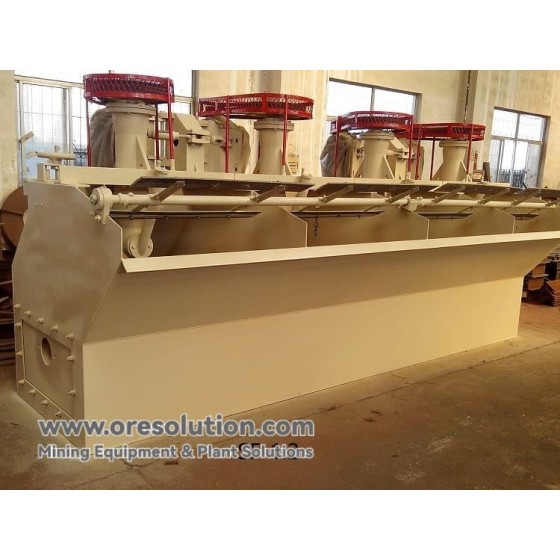
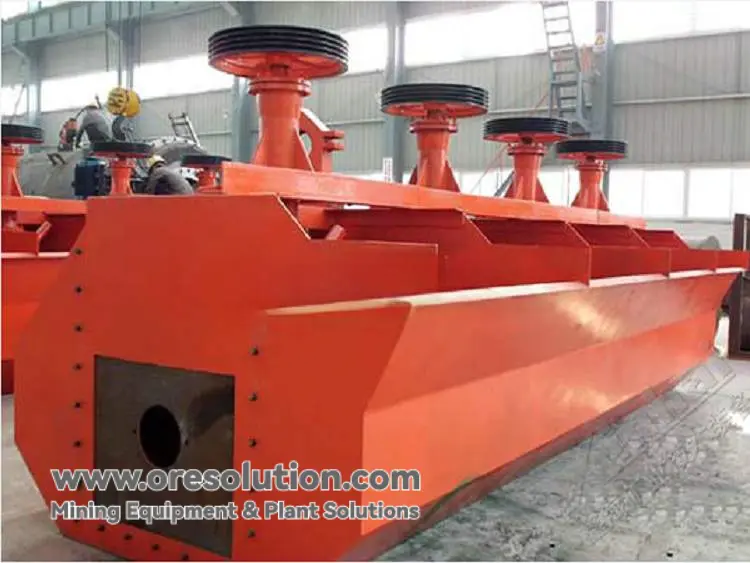
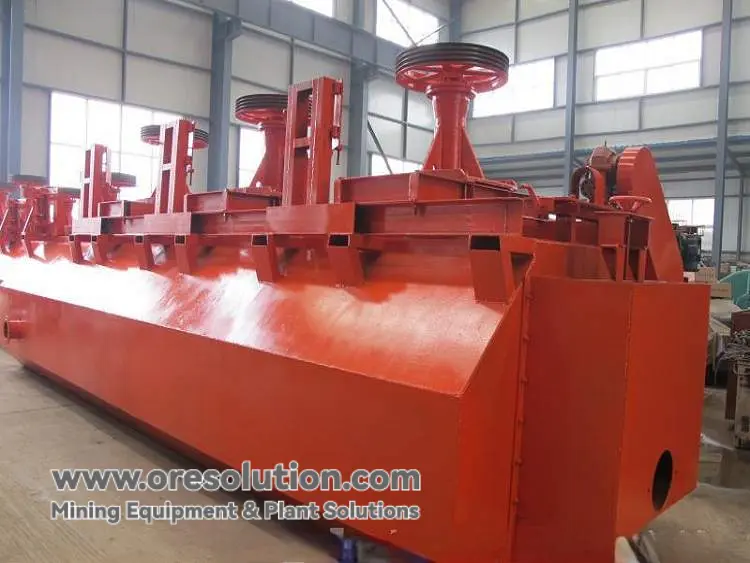
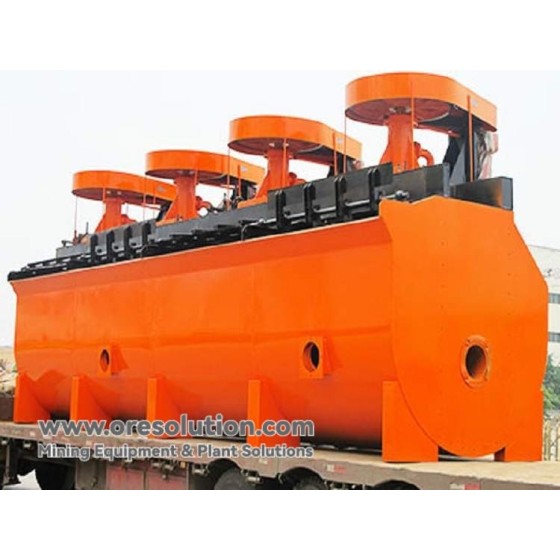
Flotation compensates for the shortcomings of magnetic separation in this process.Reverse flotation (inhibiting quartz and allowing iron-bearing impurities to float with the foam) can remove iron-bearing minerals along with mica and feldspar impurities, particularly the fine-grained, weakly magnetic iron that was not captured by magnetic separation. The selection of flotation reagents is critical; the ratio of collectors to inhibitors directly affects selectivity and cost.
Acid leaching is a method used to further improve quality. When whiteness still falls short after the first two stages, acid leaching can remove surface iron films and some acid-soluble impurities. However, acid leaching has environmental regulations that must be met, and waste liquid treatment must be properly managed; it is not suitable for all plants. The cost of acid leaching is also significant, so it is necessary to calculate whether the premium generated by the improved whiteness can cover these costs. 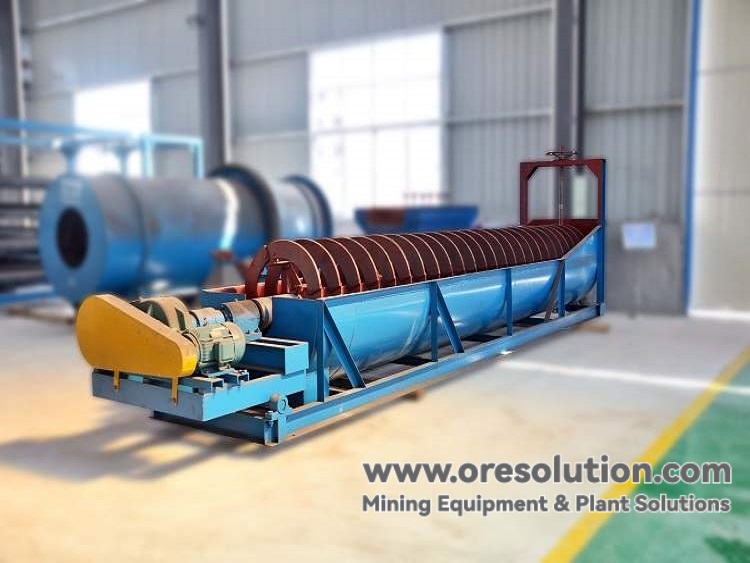
Section 3: Dewatering and Classification—Do Not Compromise on the Final Step
After iron removal, the refined sand must undergo dewatering and classification to control the particle size distribution. Improper selection of dewatering equipment can result in significant loss of fine particles, affecting yield. The classification stage separates out excessively fine powder, leaving the remaining coarse-grained fraction with more stable whiteness.
This process flow is not set in stone. For some ores, magnetic separation followed by classification is sufficient; for others, flotation is required; and for some, acid washing is also necessary. Ultimately, the mechanical processing plan for low-iron quartz sand involves selecting the most economical combination from these three stages based on ore test results. The answer to how to purify and increase the whiteness of panel-grade sand also lies here.
III. Equipment Configuration: Four Typical Routes for Quartz Sand
Only after the process is determined does equipment selection make sense. In the industry, quartz sand purification is broadly categorized into four routes, ranging from ordinary glass sand to photovoltaic and electronic-grade sand, with equipment configurations becoming progressively more sophisticated at each level.
| Process Routes | Key Equipment | Applicable Scenarios |
|---|---|---|
| Wash + Magnetic Separation | Slurry mixer, hydrocyclone, wet high-intensity magnetic separator, electromagnetic slurry separator, high-efficiency thickener, filter press, dryer | Basic iron removal from ordinary board sand and glass sand |
| Wash + Magnetic Separation + Chemical Bleaching | Beaters, hydrocyclones, high-intensity magnetic separators, electromagnetic pulp separators, bleaching reaction tanks, wash filters, filter presses, dryers | Applications requiring high whiteness and treatment of surface iron film |
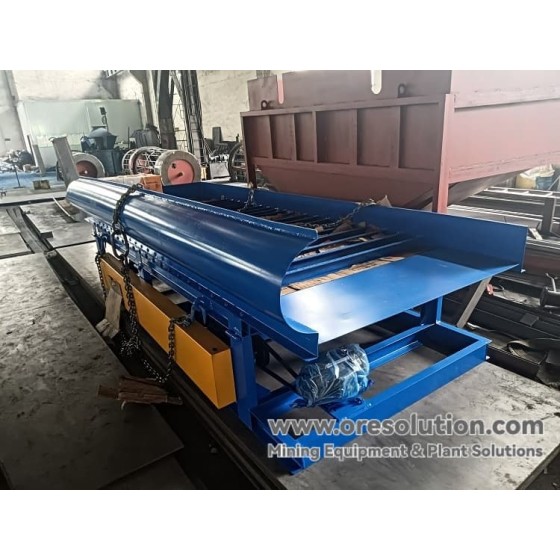
| Scrubbing + Magnetic Separation + Flotation | Scrubber, flat-bed magnetic separator, electromagnetic slurry separator, flotation machine, thickener, filter press, dryer | High-purity sand requiring removal of weakly magnetic iron and mica-type impurities |
| Scrubbing + Magnetic Separation + Flotation + Acid Leaching | Scrubber, strong magnetic separator, high-gradient magnetic separator, flotation machine, acid washing reactor, acid washing tank, wash filter, filter press, dryer | Photovoltaic and electronic-grade materials, with the strictest requirements for whiteness and iron content |
There is a guiding principle for equipment configuration: do not pile on equipment simply for the sake of completeness. If magnetic separation can solve the problem, there is no need for flotation; if flotation can solve it, there is no need for acid leaching. Every additional process step increases investment, operating costs, and environmental pressure.
Conversely, necessary process steps cannot be omitted. If, after magnetic separation, the iron content remains above a certain threshold, there is a significant shortfall in whiteness, or the customer is not satisfied, flotation must be implemented. The key is to base decisions on test data rather than relying solely on experience.
The compatibility between equipment is more important than the performance of individual units. If the particle size of the grinding discharge fluctuates significantly, magnetic separation efficiency will be affected; if flotation concentration control is unstable, reagent consumption and performance indicators will fluctuate accordingly. The stability of the entire line depends on its weakest link. 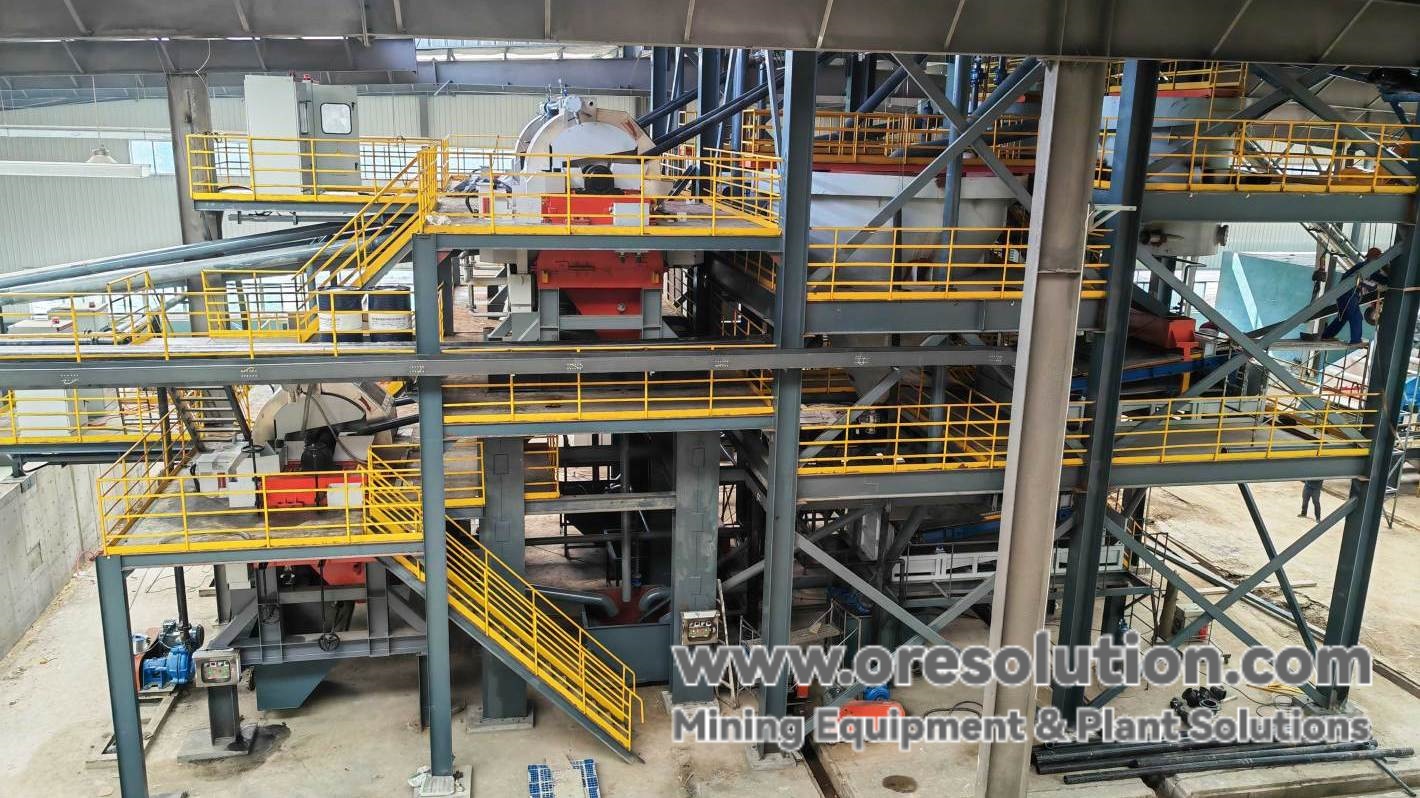
IV. Iron Removal from Plate Sand: Why Separate Particle Sizes for Processing
This section is addressed separately because many processing plants have encountered problems at this stage.
The particle size distribution of slab sand is typically broad.The form in which iron is present often differs between the coarse and fine grain sizes: iron in the coarse fraction may be free iron oxide particles, which can be captured by magnetic separation; iron in the fine fraction may be embedded within quartz or exist as a surface iron film, which cannot be captured by magnetic separation and must be removed via flotation or acid leaching.
If the entire batch of sand is processed as a single mixture, adjusting the magnetic separation parameters for the coarse fraction will compromise iron removal efficiency in the fine fraction; conversely, adjusting them for the fine fraction renders the coarse fraction\'s treatment unnecessary. By classifying the material and processing it in separate stages—using the most suitable method for each stage—overall efficiency is improved, and chemical and energy consumption are reduced.
The selection of classification equipment also requires careful consideration. Hydraulic classifiers offer high classification precision but consume a large amount of water; vibrating screens have a simple structure but limited classification efficiency for the fine-grain fraction. The choice depends on the particle size cutoff points and production capacity requirements. Effective classification ensures stable feed conditions for subsequent iron removal and whitening of the plate sand.
V. Common Pitfalls in Concentrator Operations: Most Stem from These Three Areas
Pitfall 1: Blindly Copying Process Schemes, Which Fail When Ore Properties Change
Easy-to-process ores are becoming increasingly rare, while difficult-to-process ores—characterized by polymetallic association, fine-grained distribution, and high clay content—have become the norm. Copying conventional processes from competitors may work for standard ores, but recovery rates plummet as soon as the properties of ore from a specific mining area fluctuate.
The same applies to plate sand. Even within the same mining area, the form of iron occurrence can vary across different mining sections. Process designs must be based on beneficiation tests, not simply following blueprints.
Pit #2: Haphazardly Assembled Equipment and System Incompatibility
Buying a crusher from Plant A, a magnetic separator from Plant B, and a filter press from Plant C—while each individual unit may meet specifications, when assembled together, they result in piping conflicts, mismatched production capacities, and excessively high energy consumption. The production line frequently shuts down, leading to high hidden costs.
In-house manufacturing of core equipment and end-to-end integration ensure that the process design and hardware are perfectly aligned. When the entire line is managed by a single entity, compatibility is controllable, and responsibility is clear when problems arise.
Pitfall 3: Calculating Only Initial Investment, Not Operating Costs
When purchasing, focusing solely on equipment quotes may result in buying inexpensive machines that ultimately have high failure rates, high energy consumption, and severe chemical waste. While the initial investment is saved, the company ends up shouldering high operating costs.
Equipment selection requires a full lifecycle analysis. Precise selection avoids over-specification, while process optimization reduces water, electricity, and chemical consumption—the savings from these two areas often outweigh the price difference between equipment options.
VI. Case Study: Two Mines, Two Approaches
At a sand mine in Jiangxi producing board-grade sand, the raw sand had low whiteness and an iron content of around 0.1. The iron in the ore consisted mainly of free iron oxide and a small amount of attached mica, with a relatively coarse grain size distribution.
Test results showed that grinding to -200 mesh (approximately 65% of the material) was sufficient for basic liberation. The process was established as follows: crushing—grinding—strong magnetic separation—classification—dewatering, without flotation or acid leaching.
After the process stabilized, the whiteness of the concentrate improved significantly, the iron content dropped to a low level, and both yield and power consumption remained within reasonable ranges. For ores with simple iron occurrence and coarse grain size, magnetic separation combined with classification is sufficient to address the issues of iron reduction and purification.
The situation at a certain mining area in Africa is different. The white sand has lower whiteness, higher iron content, and fine iron mineral distribution. Some iron exists in the form of isomorphous substitution (where impurity elements replace elements in the crystal lattice without altering the crystal structure) near the quartz lattice, making it difficult to reduce the iron content after magnetic separation.
During the pilot phase, a comparison was conducted between magnetic separation and flotation. Flotation further reduced the iron content and improved whiteness. However, to meet the customer\'s requirement for high whiteness, acid leaching was necessary. The final process was: grinding—strong magnetic separation—reverse flotation—acid leaching—dewatering.Although the investment was significantly higher than in the first case, the improved whiteness of the product allowed the selling price to cover the costs.
Looking at these two cases together, there is no one-size-fits-all solution for purifying and increasing the whiteness of sand used in sheet production. Different ores require different approaches. The value of a mechanical processing line solution for low-iron quartz sand lies in its customization to the specific ore, rather than applying a one-size-fits-all template. 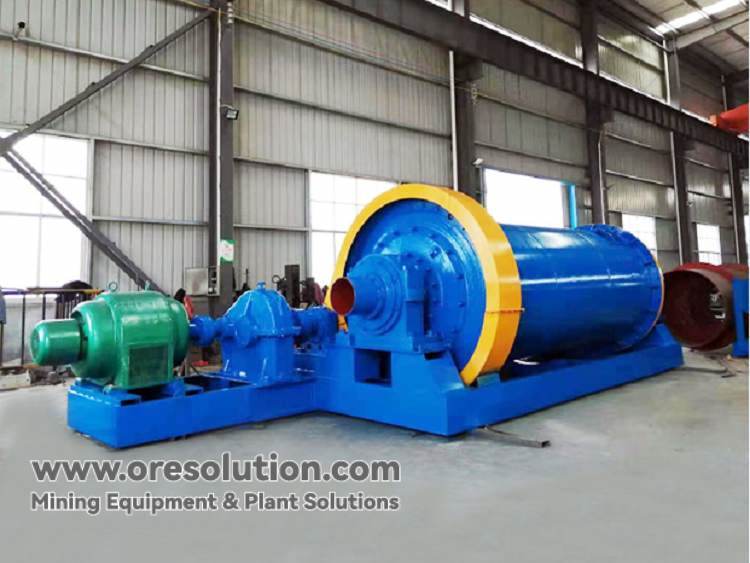
VII. Frequently Asked Questions
Q: When purifying and increasing the whiteness of panel sand, can magnetic separation handle the process on its own?
It depends on the ore. For ores with simple iron distribution, coarse grain size, and predominantly free iron, magnetic separation combined with classification is often sufficient. For ores with fine grain size and high content of weakly magnetic minerals, it is difficult to achieve the desired level of iron removal through magnetic separation alone; flotation or even acid leaching may be required. Conduct tests first before making a decision; do not assume that magnetic separation is a universal solution.
Q: Is it better to start acid leaching as early as possible?
No. Acid leaching is a means to enhance purity, not a foundational step. If prior magnetic separation and flotation have not been performed adequately, proceeding directly to acid leaching will result in high acid consumption, large volumes of waste liquid, and uncontrollable costs. The proper sequence is to first remove all iron that can be physically removed, then use acid leaching to treat the remaining surface iron film and acid-soluble impurities.
Q: What is the approximate investment range for a mechanical processing line for low-iron quartz sand?
It varies significantly. The nature of the ore, production capacity, whether acid leaching is included, and environmental compliance standards—each of these factors affects the investment. Even for production lines with the same capacity, investment costs can differ significantly depending on the specific design. We do not recommend simply applying someone else\'s investment figures; you need to develop a plan and perform calculations based on your own ore.
Q: Is there a disconnect between pilot testing and plant construction?
This is a long-standing issue in the industry. When laboratory test results look promising but cannot be replicated after plant construction, it is often due to a disconnect between process design and equipment selection. The solution is to have process engineers and mechanical engineers work collaboratively to directly translate test data into equipment parameters and engineering drawings.
VIII. Key Points to Emphasize Regarding Testing
Testing the purification and whiteness of sheet-grade sand is not simply a matter of grinding and magnetizing a few kilograms of sample. There are several key points to focus on.
First, the samples must be representative; the sampling location, quantity, and blending method directly affect whether the results can be scaled up. Second, tests must be conducted by particle size fraction; iron content and whiteness must be measured separately for different fractions to determine where impurities should be removed.Third, the test process must be scalable. While strong magnetic separation may work in the laboratory, scaling up to a production line—where magnetic field strength and feeding methods change—may compromise performance metrics. Fourth, acid pickling tests must be accompanied by waste liquid analysis; one cannot focus solely on whiteness data.
Only when testing is conducted thoroughly can equipment selection and process design be based on sound evidence. Skipping testing and installing equipment directly will result in costs during the commissioning phase—due to repeated process adjustments—that far exceed the cost of testing.
IX. What We Can Do
OreSolution has two decades of experience in mining equipment manufacturing and mineral processing solution integration; mechanical processing lines for purifying and brightening sheet metal sand and producing low-iron quartz sand represent one of our typical application scenarios.From ore testing, process design, and equipment supply to installation, commissioning, and operational support, we can undertake the entire line as a turnkey project or break it down into individual components as needed.
If you\'re concerned about the whiteness of your panel sand, or if you\'re unsure whether to use magnetic separation or flotation—or whether acid leaching is necessary—please send us your ore data. We recommend conducting tests first, then evaluating the economics, and finally selecting the equipment. Following this sequence is a more reliable approach than launching a production line directly.
Find all the process and equipment case studies you need here to select the right method for purifying and increasing the whiteness of sheet sand. If you\'d like to learn more about mechanical production line solutions for low-iron quartz sand and iron-reduction purification processes, please submit your requirements. We\'ll provide tailored recommendations based on your specific ore conditions.