


Mechanical line proposal for low-iron quartz sand: iron removal and purification of slab sand
Let\'s start by listing three key points.
① Whether to use a mechanical line or an acid washing line for iron removal and purification depends on the form in which iron is present, rather than the market perception of a particular process route.
② The mechanical line solution has a low environmental impact and controllable operating costs, but there is an upper limit to the degree of whiteness improvement; acid washing offers high whiteness improvement efficiency, but chemical consumption and waste acid disposal pose significant constraints.
③ There is no one-size-fits-all template for mechanical line solutions for low-iron quartz sand; configurations must be tailored to the properties of the raw ore, the target whiteness, and environmental requirements.
Decisions regarding the selection of iron-reduction and purification methods for sheet sand frequently arise in actual projects. The following analysis examines the separation mechanisms, cost structures, and applicability limits of mechanical and acid-washing lines, and concludes with selection criteria for different operating conditions.
Decision Challenges: Two Technical Pathways for Iron Reduction and Purification
The core performance indicator for the purification of slab sand (siliceous sand used as a filler in engineered quartz slabs, granite-look slabs, and other panel products) is whiteness. Insufficient whiteness results in a dull, grayish color in the slabs, which negatively impacts the product\'s selling price.The technical challenge that the mechanical processing line for low-iron quartz sand must address is the removal of color-causing impurities such as iron and titanium, as well as clay and mica-like minerals from the particle surfaces.
Based on standard industry process classifications, iron reduction in quartz sand is generally divided into three tiers: washing combined with magnetic separation for standard glass sand; washing, magnetic separation, and flotation for high-purity sand; and washing, magnetic separation, flotation, and acid washing for photovoltaic and electronic-grade high-purity quartz.Sheet-grade sand is primarily concentrated in the first two tiers, while the third tier is only required for applications demanding high whiteness.
Acid washing targets surface iron films; it dissolves rust and iron stains directly using an acid solution. Mechanical processing lines (a combination of physical separation methods such as scrubbing, magnetic separation, and flotation) target individual iron-bearing minerals and clay-like substances, and have limited ability to remove surface iron films.
In actual process selection, it is difficult to determine the appropriate process path based solely on the appearance of the raw ore. The decision-making basis for purifying and increasing the whiteness of slab sand lies in the gap between the iron content in the raw ore and the target whiteness level.
Option A: Acid Washing Line—An Enhanced Method for Iron Reduction and Purification
Acid leaching serves to enhance whiteness by reducing iron content in sheet metal sand. Commonly used acids include oxalic acid, hydrochloric acid, and sulfuric acid; hydrofluoric acid, due to its high operational risks, is restricted to specific scenarios. Oxalic acid exhibits good selectivity in dissolving iron films, while hydrochloric acid and sulfuric acid are lower in cost but more corrosive.
Technical Advantages: High efficiency in removing surface iron oxide films and rust, resulting in a significant increase in whiteness. Suitable for situations where the raw ore has a high silicon content and only the surface is contaminated with iron. The reaction time is short, and the process is highly controllable.
Technical Limitations: Chemical consumption constitutes an ongoing cost, and the disposal of waste acid is subject to strict environmental regulations. The investment and operational burdens associated with a complete system for neutralizing, precipitating, and discharging waste acid in compliance with standards are significant.Equipment must meet high corrosion resistance requirements; reactors, piping, pumps, and valves must be made of acid-resistant materials, which correspondingly increases maintenance complexity. Additionally, acid leaching imposes requirements on particle size distribution: fine-grained materials are difficult to filter, while coarse-grained materials result in reduced reaction uniformity.
In terms of investment, a medium-scale acid leaching system encompasses reaction, filtration, and waste acid treatment units; the investment scale varies significantly depending on production capacity and configuration and cannot be summarized by a single figure. Among operating costs, chemicals and waste acid disposal account for a high proportion, and treatment capacity is constrained by the reaction cycle.
Project experience indicates that acid leaching is suitable for scenarios where the target whiteness requirements are high, the iron in the ore is primarily in the form of surface films, and local environmental capacity permits it. Projects where a disposal solution for waste acid has not been secured should not rashly adopt this route.
Option B: Mechanical Processing Line—Low Environmental Impact, but Upper Limit on Whiteness Improvement
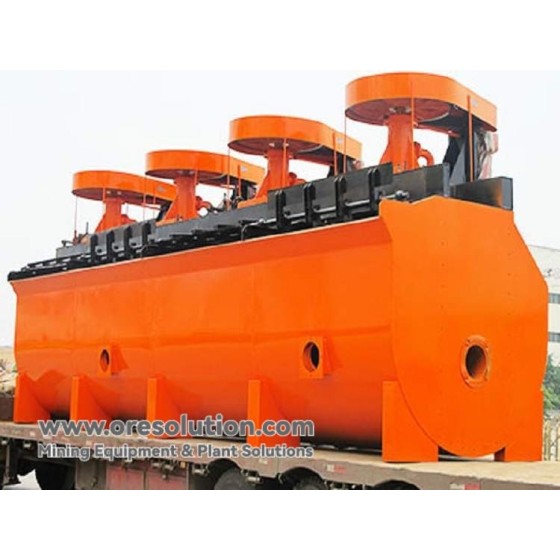
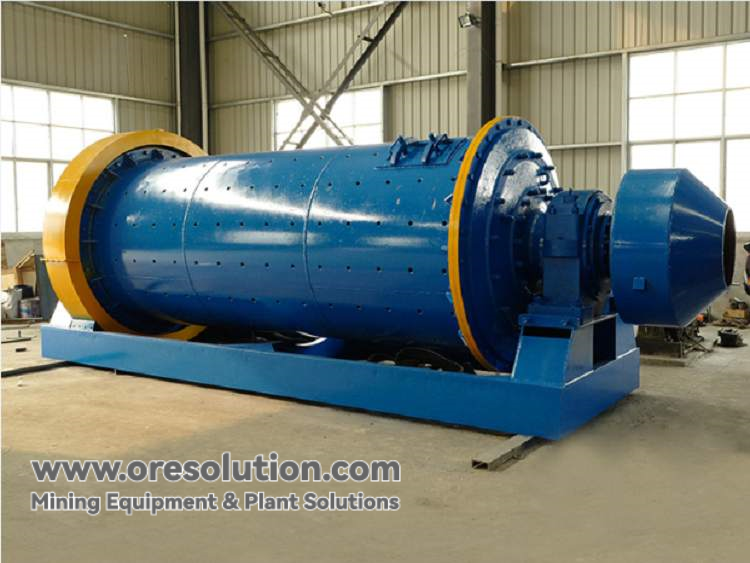
The mechanical processing route for low-iron quartz sand is a combined process, typically involving scrubbing and desliming in conjunction with magnetic separation and flotation. Scrubbing removes surface silt and some iron content; magnetic separation isolates magnetic iron minerals; and flotation, aided by chemicals, separates associated minerals such as mica and feldspar.
Technical Advantages: No acid is introduced, resulting in a lower environmental burden and relatively simple tailwater treatment. Operating costs consist primarily of electricity and water consumption, with reagent usage significantly lower than in acid washing. The equipment is highly versatile, requires minimal maintenance, and has a wide range of adaptability to particle size distributions.
Technical Limitations: The process has limited ability to remove surface iron films, particularly iron that has penetrated into micro-cracks within the particles. When the raw ore is severely iron-stained, both magnetic separation and flotation struggle to function effectively, causing the improvement in whiteness to plateau.The impact of residual flotation reagents on the curing of resins in downstream sheet materials requires compatibility testing to be conducted in advance; this step is often overlooked in actual projects.
In terms of investment, the costs of the scrubbing, magnetic separation, and flotation systems vary significantly with scale, so it is not appropriate to provide fixed figures; however, operating costs are generally lower than those of acid leaching, with higher processing capacity and a higher degree of continuous operation.
The mechanical processing line for low-iron quartz sand is suitable for situations where iron in the raw ore exists as a distinct mineral, has a relatively coarse grain size, and the target whiteness is medium to high. For most panel sand projects, it is advisable to first use a mechanical processing line to achieve basic purification, and then decide whether to add an acid washing process based on any gaps in the specifications.
Option C: Combined Mechanical and Acid Washing Process
The combined process is not a simple superposition of the two routes. Its technical logic is as follows: the mechanical line first removes most of the free iron minerals and clay, reducing the iron content in the acid-washing feed, while acid washing treats only the residual surface iron film. This reduces acid consumption and the volume of waste acid, while still achieving a high level of whiteness.
The conditions for its application are relatively clear: when the raw ore contains both free iron minerals and surface iron stains, with uneven grain size distribution, making it difficult for a single process to meet standards. The trade-offs include a longer process duration, an increased number of equipment units, a larger footprint, higher initial investment, and a correspondingly extended installation period.If the properties of the raw ore align with the process characteristics, the total operating cost may be lower than that of a pure acid leaching route, as acid consumption is concentrated in key stages.
Multidimensional Comparison
When selecting a process for iron purification from sand-reduced sheet metal, special attention should be paid to two key indicators: environmental pressure and the degree of brightness improvement. These two factors typically directly determine a project\'s feasibility and economic viability.
| Comparison Dimensions | Acid Washing Line | Mechanical Line Option | Combined Process |
|---|---|---|---|
| Capital Expenditures | Relatively low | Moderate | Relatively high |
| Operating Costs | High proportion of chemical and waste acid disposal costs | Electricity and water consumption are the main costs; chemical usage is low | Moderate, with reduced acid consumption |
| Treatment Capacity | Limited by reaction cycles | Continuous operation with high capacity | Longer process flow, slightly above average |
| Degree of whiteness improvement | Significant; effective against surface iron film | Moderate; limited by the form of iron | Significant, with good stability |
| Environmental pressure | Significant; spent acid poses a strict constraint | Low; effluent treatment is straightforward | Moderate; reduced waste acid volume |
| Maintenance Difficulty | High; equipment requires high corrosion resistance | Low; primarily uses standard equipment | Medium to high; involves multiple steps |
| Applicable particle size range | Moderate; filtering very fine materials is difficult | Relatively wide | Relatively wide |
| Installation time | Short | Moderate | Longer |
The investment and operational data in the table are provided for relative reference only. Projects vary significantly in terms of raw ore characteristics, production capacity, local labor costs, and environmental protection expenditures; directly applying data from other projects may lead to inaccuracies.
Recommendations for Process Selection Based on Operating Conditions
Operating Condition 1: The raw ore consists primarily of iron with a surface oxide film, has a high silicon content, and requires a high target whiteness. An acid washing line should be the preferred choice. If the content of free iron minerals is also high, adopt the combined process as described in Operating Condition 3; do not expect a purely mechanical line to achieve significant improvements in whiteness.
Operating Condition 2: The raw ore consists primarily of discrete minerals such as magnetite and hematite, with a relatively coarse grain size and a moderate target whiteness. Prioritize a mechanical line using low-iron quartz sand.Magnetic separation combined with scrubbing can generally meet the specified requirements, with low operating costs and a manageable environmental impact. Adding acid washing under these circumstances would constitute over-specification.
Scenario 3: The raw ore has complex properties, with both distinct iron minerals and surface iron staining present, and a high target whiteness requirement. A combined process should be adopted. Mechanical processing followed by acid washing reduces acid consumption and results in more reasonable overall costs.
Scenario 4: Local environmental authorities strictly regulate waste acid, and a disposal solution for waste acid has not been finalized. Regardless of whether the raw ore is suitable for acid washing, a waste acid treatment plan must be established first. This is a prerequisite for the project.
Three Key Metrics of Concern to Downstream Sheet Steel Mills
The acceptance criteria for the purification and whiteness of sheet metal sand are ultimately determined by the downstream application. Sheet metal mills primarily focus on three factors: whiteness stability, batch consistency, and chemical residue.
The stability of whiteness is more important than absolute whiteness. If a single batch meets the whiteness standard but subsequent batches fall short, it will result in color mismatches in the sheet metal and still lead to returns. Whiteness fluctuations in the mechanical line process are typically smaller than those in acid washing, constituting a hidden advantage.
Batch consistency depends on the level of process control. Fluctuations in both acid pickling reaction time and acid concentration can affect the results; mechanical lines rely on stable equipment parameters, and consistency is superior when the process is highly continuous.
Chemical residue primarily concerns the flotation and acid washing stages. The impact of flotation reagent and acid residue on resin curing must be assessed through compatibility testing prior to factory acceptance; it is not advisable to wait for feedback from the panel manufacturer before investigating the issue. This metric is of high concern to downstream customers.
Production Capacity and Site Layout for Mechanical Processing Lines
For low-iron quartz sand mechanical line solutions, larger production capacity does not necessarily equate to better performance. The processing capacities of the scrubbing, magnetic separation, and flotation units must be mutually compatible, and the capacity of intermediate buffer silos should allow for some margin; otherwise, an imbalance in processing capacity between upstream and downstream stages will result in reduced whiteness stability.
Site conditions are often underestimated in actual projects. Mechanical processing lines involve a large number of equipment units and a lengthy process flow, resulting in a larger footprint than pure acid-washing systems; while acid-washing line reactors are concentrated in one area, the waste acid treatment zone must be designated as a separate area. Factory ceiling height, drainage systems, and corrosion-resistant flooring must all be incorporated into the design in advance.
It is recommended to first complete the process balance calculations based on the target production capacity, and then determine equipment selection and space requirements accordingly. Skipping this step and proceeding directly to equipment procurement will significantly increase the costs associated with subsequent process adjustments.
Equipment Configuration and Full-Process Support
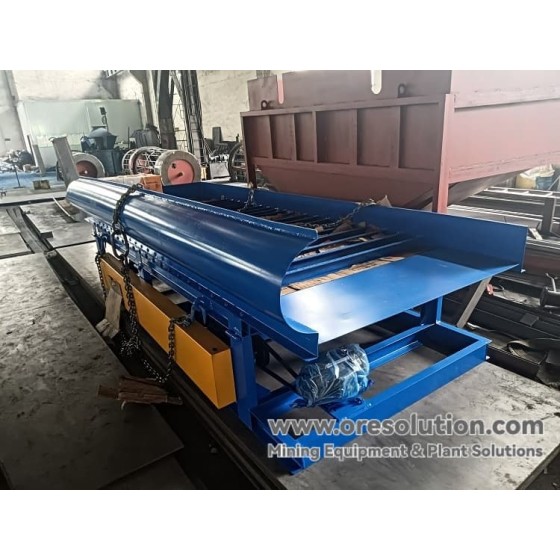
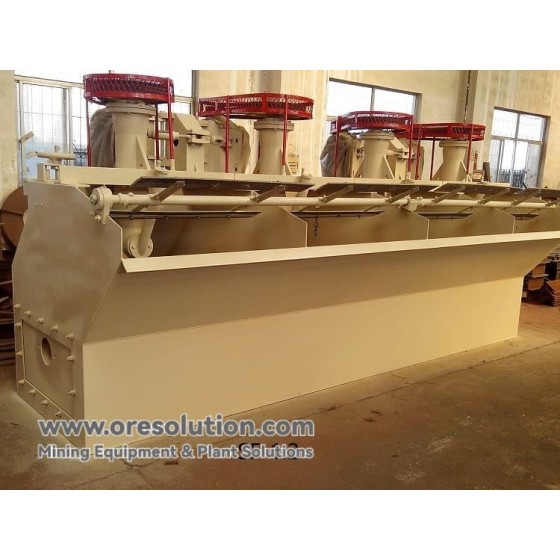
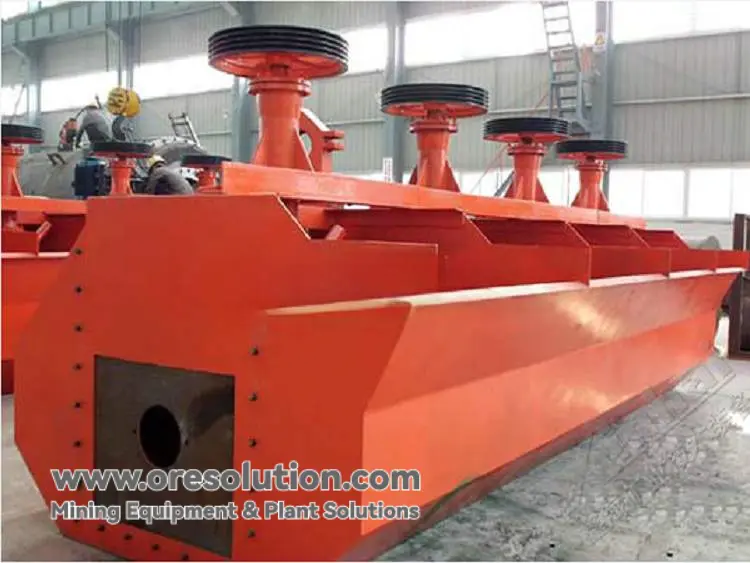
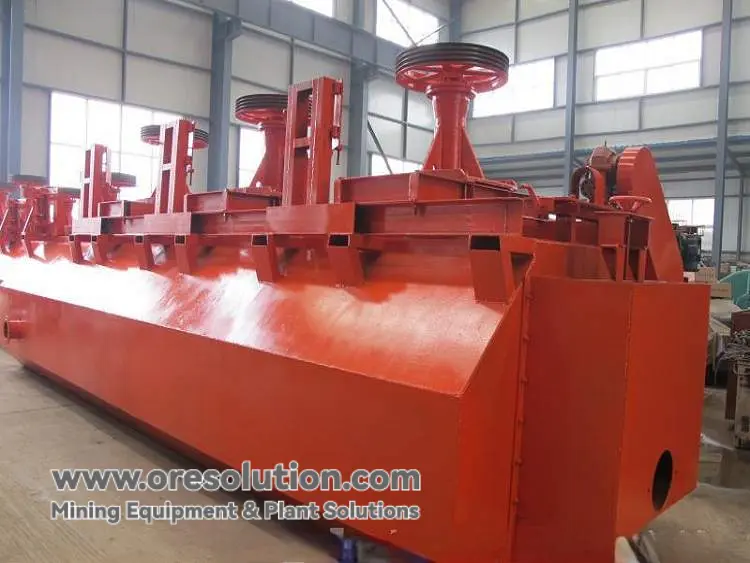
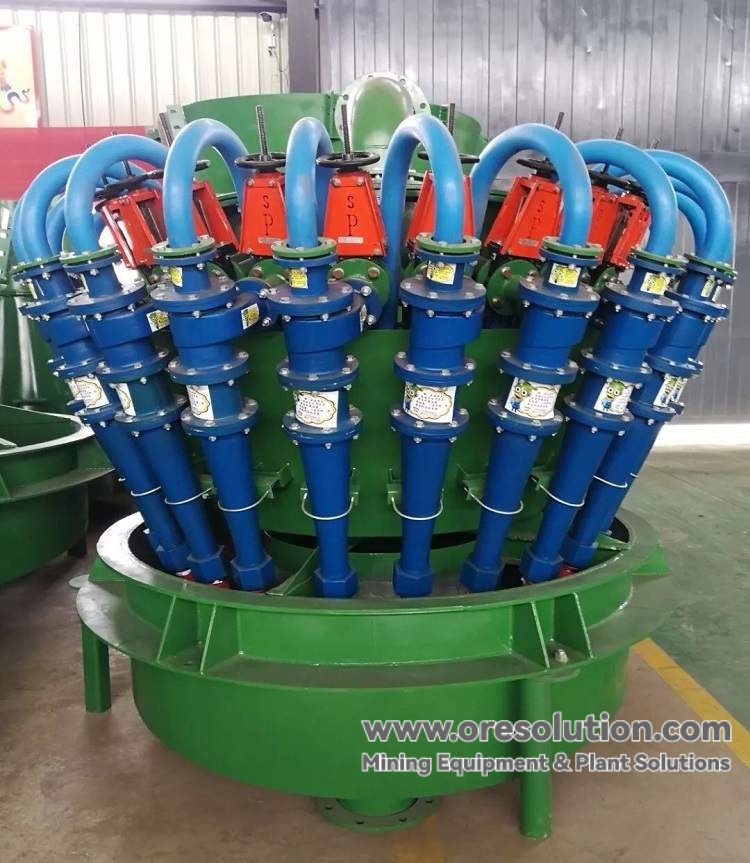
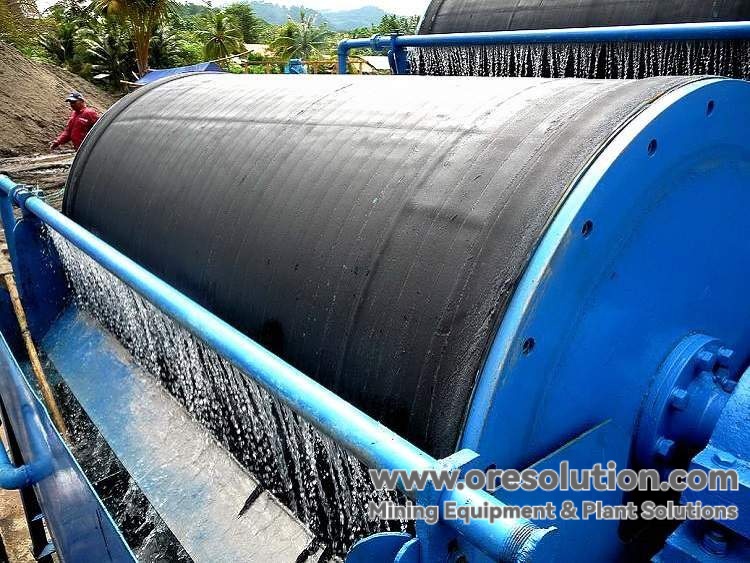
The scrubbing section typically employs cylindrical ore washers and spiral ore washers in conjunction with hydrocyclones; the magnetic separation section primarily uses wet high-intensity magnetic separators, with high-gradient magnetic separation equipment employed when strict iron removal requirements apply;the flotation section employs aerated flotation cells to remove mica and feldspar-type associated minerals; the acid leaching section is equipped with reaction vessels, washing and filtration systems, and waste acid treatment systems; and the final stage involves dewatering operations carried out by thickeners, filter presses, and dewatering screens.
The above configuration is not a fixed template. Any change in the size distribution of embedded particles, associated elements, or target whiteness requires corresponding adjustments to equipment specifications and the number of processing stages. Industry best practice is to first conduct mineral processing tests and determine the process flow and equipment list based on ore sample data, thereby avoiding the failure to meet specifications that can result from directly applying standard configurations.
Methods for Evaluating Return on Investment
The acid leaching route requires relatively low initial investment, but chemical agents and waste acid disposal account for a significant portion of operating costs, and processing capacity is constrained by reaction cycles. The mechanical route requires a moderate initial investment, with operating costs typically lower than those of acid leaching, and offers higher processing capacity. The combined route involves a higher initial investment, but with reduced acid consumption, its overall operating costs may be lower than those of the pure acid leaching route.
The key variable in the payback period is the whiteness premium. Whether the price difference for sheet sand resulting from each one-level increase in whiteness can cover the additional capital and operating costs must be calculated based on local market conditions.Generally speaking, for projects with a high whiteness premium and raw ore suitable for acid leaching, the acid leaching or combined process routes offer a faster return on investment; for projects with a limited whiteness premium and simple raw ore properties, the mechanical processing route is a more robust option. Specific figures should not be applied indiscriminately, as there are significant differences between projects.
Case Study
At a mine in Yunnan, the raw ore exhibited significant surface iron staining. Initially, mechanical scrubbing and magnetic separation were used, but the increase in whiteness plateaued.Subsequently, an oxalic acid leaching process was added, bringing the whiteness up to the requirements of downstream sheet manufacturers. The spent acid was treated through neutralization and precipitation, and the project passed environmental inspection. The key to this case lies in the process sequence of “mechanical processing first, followed by acid leaching,” rather than acid leaching throughout the entire process.
At a mine in Jiangxi, the raw ore consisted primarily of magnetite with a relatively coarse grain size. Pure mechanical magnetic separation combined with scrubbing achieved the target whiteness without the need for an acid washing process, resulting in well-controlled operating costs. This scenario represents favorable raw ore conditions, where the mechanical processing line for low-iron quartz sand does not require a complex design.
Common Misconceptions
Misconception 1: Acid washing is used whenever whiteness is insufficient. The occurrence state of iron must first be determined. Independent iron minerals can be removed through magnetic separation alone; adding an acid washing step constitutes an ineffective investment.
Misconception 2: Mechanical processing lines are inherently environmentally friendly and low-cost. The impact of residual flotation reagents on downstream resin curing must be verified through compatibility testing; it is not advisable to wait for feedback from panel manufacturers before taking corrective action.
Misconception 3: Combined processes are a compromise solution with limited effectiveness. The reality is the opposite. When designed appropriately, combined processes can offer better whiteness stability and lower overall costs than single-process routes—provided the process design is tailored to the properties of the raw ore.
Misconception 4: Construction proceeds without a confirmed disposal plan for waste acid. This issue has the most direct impact. Environmental capacity is a rigid constraint that cannot be replaced by technical measures.
Pre-Decision Verification Items
-
Form of iron in the raw ore—whether as a discrete mineral or in a surface film—must be determined through mineralogical analysis.
-
The specific target whiteness value and downstream customers\' tolerance for chemical residue.
-
Local waste acid control policies and whether disposal options for waste acid have been secured.
-
Particle size distribution—particularly the proportion of fine particles—directly affects the efficiency of acid leaching filtration and mechanical line sorting.
-
Conduct pilot or intermediate-scale tests first; do not scale up operations based solely on experience.
Among the above considerations, mineral phase identification and waste acid disposal are two mandatory prerequisites. Projects that skip this step and proceed directly to equipment selection have a high probability of requiring rework later on.
Key Considerations for Selecting Iron-Removal and Purification Processes
Iron reduction and purification for sheet-grade sand is not a single process choice but rather a combination of processes tailored to the properties of the raw ore and the target whiteness.The mechanical line solution for low-iron quartz sand is suitable for scenarios with simple raw ore properties and moderate whiteness requirements, where capital and operating costs are relatively manageable; the acid washing line is suitable for scenarios with heavy surface iron staining and high whiteness requirements, but environmental protection costs must be calculated in advance; the combined process is suitable for complex raw ores that exhibit characteristics of both categories.
Whether to use a mechanical line or acid washing for purifying and whitening sheet sand depends on the raw ore conditions and the target whiteness level, rather than the relative merits of the processes themselves. Data and test results are more reliable than empirical judgments.
For further evaluation, please provide the raw ore grade, target whiteness, and local environmental requirements so that we can determine whether to prioritize the mechanical line or directly implement the acid washing process.