


Mechanical Processing Line Solution for Low-Iron Quartz Sand: Complete Technical Process for Iron Removal and Purification to 99.9% Purity
Let\'s start with the core: The mechanical processing line solution for low-iron quartz sand is a combined process route that “primarily relies on physical iron removal, supplemented by chemical purification.” The goal is to minimize the iron content in quartz sand while raising the SiO₂ purity to over 99.9%.
30-Second Summary
-
What It Is: This process encompasses crushing and sand-making, magnetic separation, flotation, scrubbing, acid leaching, and other stages, with the core objective of reducing iron content and enhancing purity.
-
Suitable for: Veined quartz, quartz sandstone, and weathered sand from pegmatite granite; the recommended SiO₂ content of the raw ore is 98% or higher.
-
Core Logic: The mechanical stage handles iron reduction and pre-enrichment, while the chemical stage handles deep purification; only through the coordination of these two stages can a purity of 99.9% be consistently achieved.
-
Points to Note: The mineralogical characteristics of the raw ore determine the upper limit of purification; not all quartz ores are suitable for this process.
I. What Is the Mechanical Processing Line Solution for Low-Iron Quartz Sand?
Key Points of the Solution: A complete process route that primarily relies on mechanical equipment to reduce iron content and purify quartz sand.
Iron in quartz sand is the primary impurity affecting purity. High iron content results in poor product whiteness, rendering it unsuitable for downstream applications such as photovoltaic sand, electric lighting sand, and electronic packaging materials.The mechanical processing line solution for low-iron quartz sand centers on the question of “how to remove iron,” integrating crushing, grinding, magnetic separation, flotation, washing, and acid leaching into a single process line—magnetic separation, flotation, and washing form the core of the mechanical line, while acid leaching constitutes the chemical purification stage, with both components working in conjunction.
II. What Problems Does the Low-Iron Quartz Sand Mechanical Processing Line Solution Address?
Key Points of the Solution: Addresses the challenge of deeply removing iron impurities from quartz sand.
After applying water washing, scrubbing, and magnetic separation, the SiO₂ content stabilizes at around 99%, while the iron content remains stuck at several hundred ppm.The problem lies in the form in which iron is present: independent iron mineral particles (hematite, limonite, magnetite) can be handled by magnetic separation; however, iron present as a thin film coating particle surfaces or as fine inclusions hidden within fissures is essentially unsolvable by physical beneficiation and must be addressed through chemical leaching.This process design specifically addresses this gap—the mechanical stage first removes the iron that can be removed, while the acid leaching stage handles what remains. If the physical processing stage is executed well, the burden on the acid leaching stage is reduced, leading to lower acid consumption and less pressure on wastewater treatment.
One point must be emphasized: conduct pilot testing before building the plant. Drawing up blueprints and selecting equipment without first performing mineralogical analysis and small-scale pilot tests is tantamount to gambling the investment on the “temperament” of the ore. Decisions regarding process design, equipment selection, and the amount of design margin should all be based on data from actual ore samples.
III. Core Components and Principles of the Low-Iron Quartz Sand Mechanical Processing Line
Key Points of the Plan: The process is divided into three stages—pretreatment and sand production, mechanical iron removal, and chemical deep purification—with each stage addressing different forms of iron impurities.
Overall Process:
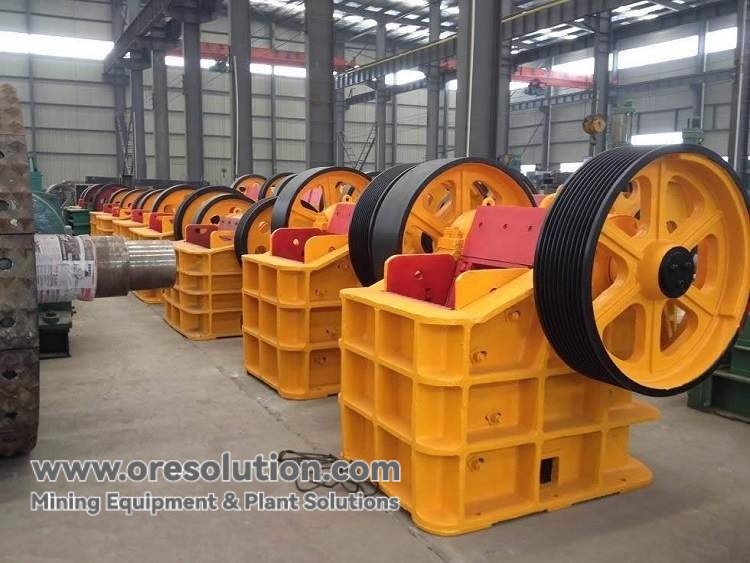
Stage 1: Pretreatment and Sand Production. Iron-containing balls must not be used as grinding media, as this would introduce iron contamination during the grinding process itself; industry practice is to use ceramic or zirconia balls.
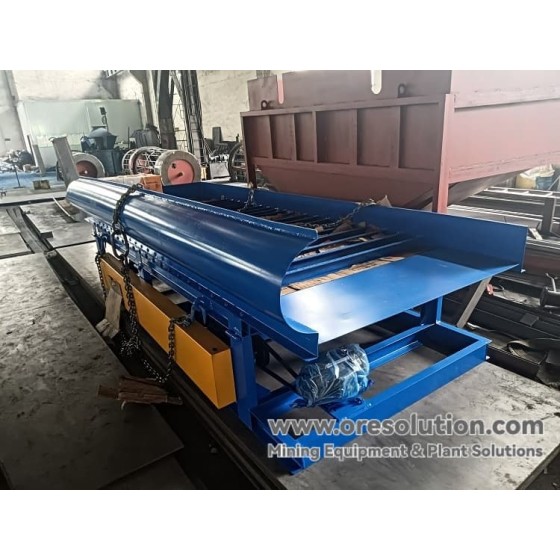
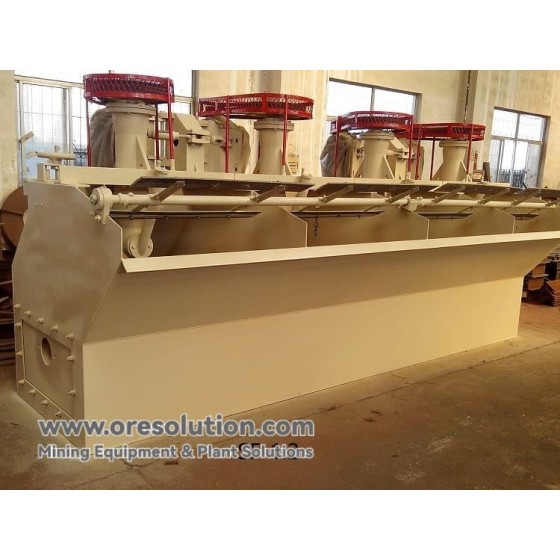
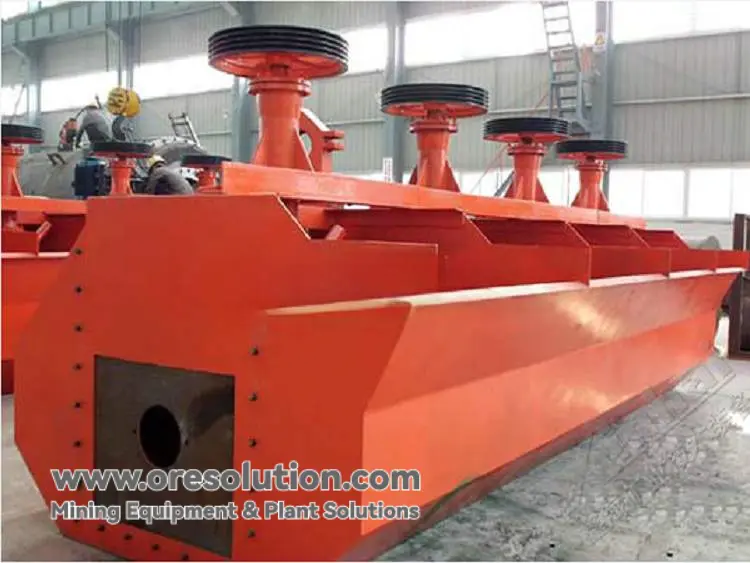
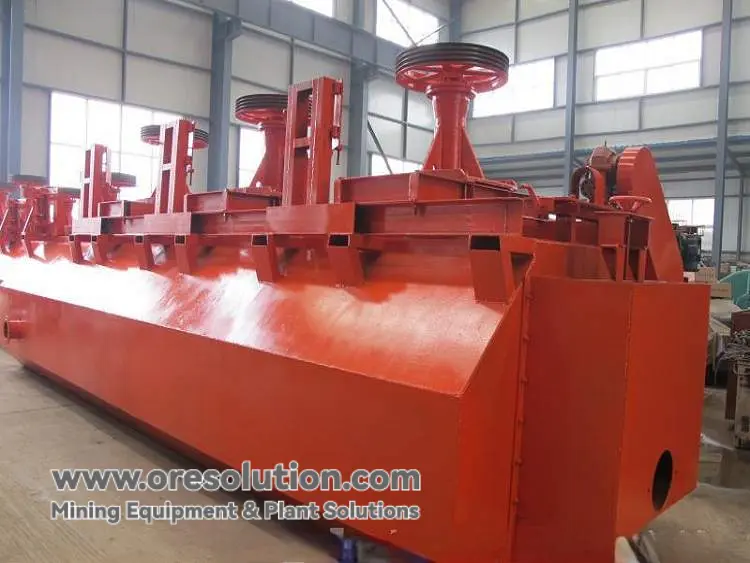
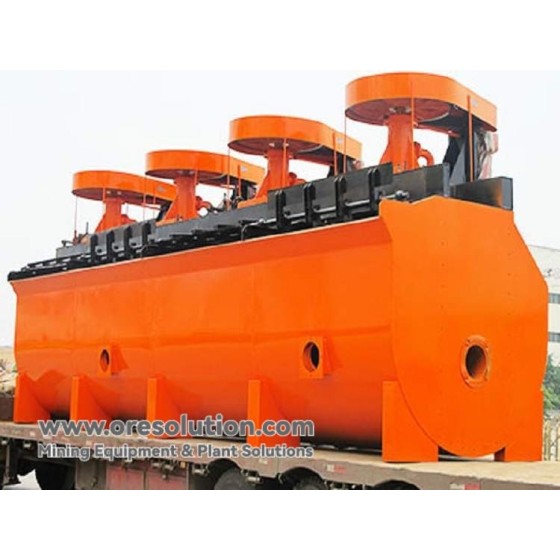
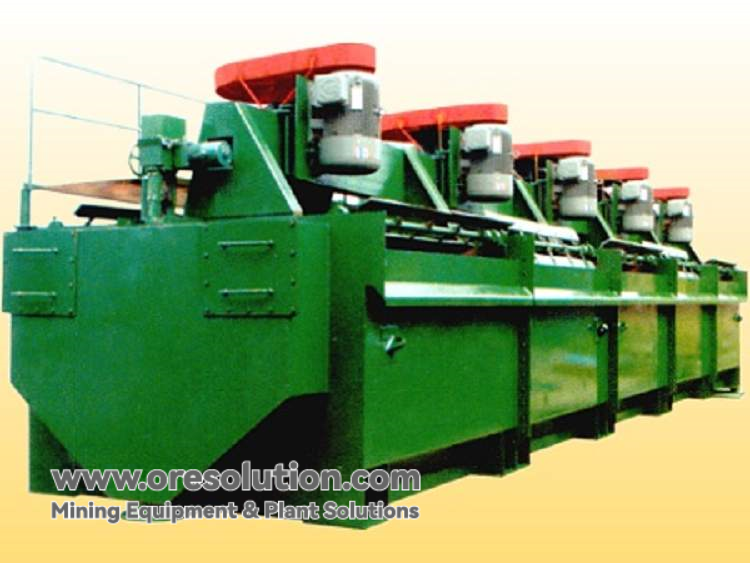
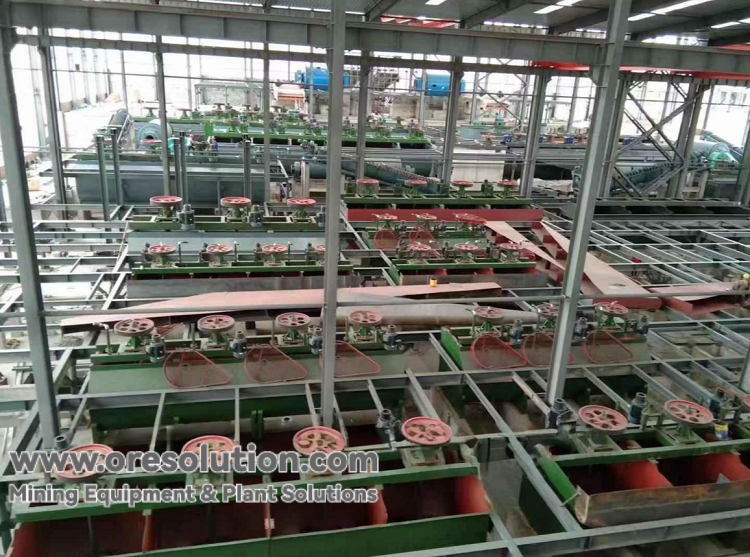
Stage 2: Mechanical Iron Removal. Scrubbing removes clay and thin iron films from the particle surfaces; magnetic separation is conducted in two steps: first, weak magnetic separation to remove strongly magnetic iron minerals, followed by a high-gradient magnetic separator to capture weakly magnetic hematite and limonite;Flotation primarily targets mica and feldspar, using amine collectors in reverse flotation under acidic conditions.
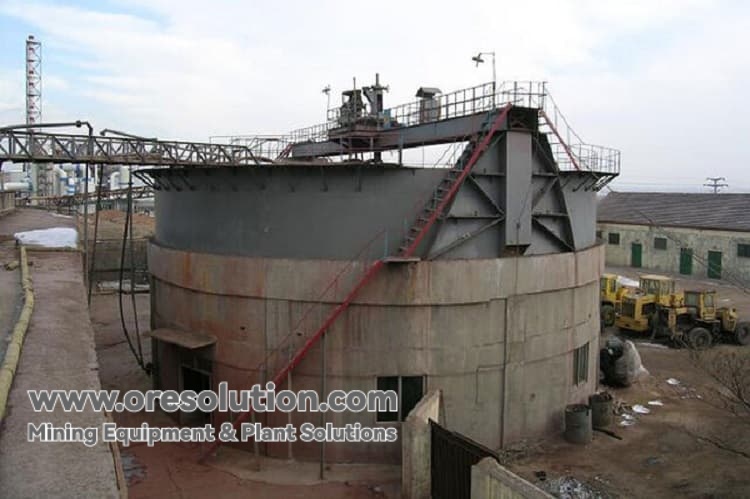
Third Stage: Chemical Deep Purification. Acid leaching typically involves a mixture of two or more of the following acids: hydrochloric acid, sulfuric acid, and nitric acid; mixed acids are more efficient than single acids. Hydrofluoric acid can corrode the quartz surface and open microcracks to allow the acid solution to penetrate inclusions, but it poses the greatest environmental risk; its use and dosage must be carefully weighed.
Core principle: The mechanical processing line determines the lower limit, while chemical purification determines the upper limit.
In terms of equipment configuration, standard glass sand can be processed through scrubbing and magnetic separation; high-purity sand requires the addition of flotation; and photovoltaic/electronic-grade sand must undergo acid leaching. Equipment is not necessarily better simply because it is more expensive; rather, it must be matched to the target product and the characteristics of the ore—precise selection and avoiding over-specification are, in themselves, cost-saving measures.
IV. Why Choose the Low-Iron Quartz Sand Mechanical Processing Solution
Key Points of the Solution: The advantage lies in the system\'s logic of “stage-by-stage iron reduction and step-by-step purification.”
Clear division of labor. Traditional approaches either rely solely on magnetic separation and flotation, which typically plateau at 99% purity, or skip the mechanical processing line entirely and proceed directly to acid leaching—where acid consumption and wastewater treatment costs eat into profits. This solution treats the two types of iron separately, naturally resulting in higher efficiency.
Stable iron reduction results. The series of scrubbing, magnetic separation, and flotation provides corresponding methods for different forms of iron; when combined with acid leaching, Fe₂O₃ can be reduced to a low level.
The reagent system is adjustable. When iron content is high and aluminum content is low, the focus is on hydrochloric acid plus a reducing agent; when aluminum and alkali metal content are high, the ratio of nitric acid to sulfuric acid is adjusted, with specific ratios tailored to the ore.
Wastewater can be treated in a closed-loop system. Lime neutralization, precipitation, and reuse of the supernatant—this technology has numerous operational case studies in the quartz sand industry, so environmental compliance is not an insurmountable obstacle.
Reducing iron content and improving purity is not about how advanced a single piece of equipment is, but rather whether the coordination among all stages of the entire production line is effective. Whether this “coordination” can be effectively implemented depends largely on whether the same team manages the line from pilot testing and design through to equipment installation and commissioning—only when there are no breaks in the chain of responsibility will performance metrics remain uncompromised as they are passed down through the various levels.
V. Applicable Scenarios and Limitations
Key Points of the Solution: This solution is selective regarding ore types; the “genetic makeup” of the raw ore determines the upper limit of purification.
Quartz sandstone and highly weathered pegmatitic granite are relatively favorable raw materials; with loose mineral distribution and high individual particle liberation, the mechanical line can remove most of the iron. Veined quartz is more complex, as impurities are often embedded as fine inclusions within the quartz, requiring more “aggressive” acid leaching conditions.If the raw ore has a low SiO₂ content and contains large amounts of feldspar and mica, the mechanical iron removal stage becomes extremely challenging, and even the strongest acid leaching cannot compensate—the economic viability of this process relies on the premise that the “raw ore has a decent foundation.”
| Ore Type | Suitability | Description |
|---|---|---|
| Quartz Sandstone | Suitable | Loose mineral inclusion, effective for mechanical iron removal |
| Weathered sand from pegmatitic granite | Fairly suitable | High degree of mineral liberation; low acid leaching load |
| Veined quartz | Suitable under certain conditions | Requires enhanced acid leaching conditions; depends on the characteristics of the inclusions |
| Low-grade siliceous ores | Not recommended | SiO₂ content is too low; economic viability is difficult to guarantee |
Another limiting factor is particle size: acid leaching is effective for fine-grained material, but excessively fine particles make dewatering difficult and result in excessive acid carryover; medium-fine particle size offers a better balance.
The above is only a preliminary framework. Even for the same type of vein quartz, the characteristics of inclusions and the occurrence of iron and aluminum vary greatly depending on the origin. Whether the process is ultimately viable and its economic feasibility must be determined based on the mineral processing test reports for representative ore samples.Indicators such as recovery rate and purity are determined by the ore\'s disseminated characteristics. The standard practice is to provide “actual indicators achievable under the same ore source and operating conditions” based on test data, rather than making empty promises about fabricated figures.
VI. Implementation Plan
Key Points of the Plan: From receiving the ore sample to achieving stable product output, the process generally consists of five steps.
Step 1: Mineralogical Analysis. Conduct a comprehensive analysis using a polarizing microscope, XRD, and SEM-EDS to determine the quartz content and particle size distribution, the types and distribution characteristics of impurity minerals, and the forms in which iron and aluminum are present.
Step 2: Small-scale pilot testing. Run a full cycle of grinding, magnetic separation, flotation, and acid leaching. For the acid leaching stage, conduct several comparative tests varying temperature, time, acid concentration, and solid-to-liquid ratio, aiming for a SiO₂ content of 99.9% or higher, while recording acid consumption and reagent costs.
Step 3: Scale-up testing or pilot-scale testing. Focus on two key aspects: whether the performance indicators are stable and whether a closed-loop wastewater treatment system can be established. Many projects perform well in small-scale tests but run into problems with wastewater treatment during the pilot phase.
Step 4: Engineering Design. The selection of materials for the acid leaching reactors is critical—fiberglass-reinforced plastic (FRP), plastic-lined carbon steel, or pure titanium—depending on the type and temperature of the acid; the scale of the wastewater treatment system must match the acid leaching capacity.
Step 5: Commissioning and Optimization. The first three months after production start-up are a run-in period, during which acid consumption, leaching time, and wash water volume are adjusted based on fluctuations in the actual ore; once operations stabilize, each batch of incoming raw material undergoes rapid mineralogical screening, and parameters are adjusted accordingly if the ore composition changes.
Under normal circumstances, the process from pilot testing to full-scale production takes approximately 8–12 months: pilot testing takes about 30–45 days, design takes about 30 days, equipment manufacturing takes about 60 days, and installation and commissioning take 60–150 days. Here are some tips for shortening the project timeline: Send representative ore samples as early as possible to initiate pilot testing;Once process parameters are finalized, drawings for custom-made equipment can be sent to the factory for manufacturing, allowing for reasonable overlap between design and manufacturing; during equipment manufacturing and shipping, the client can simultaneously carry out “three utilities and one leveling” and foundation construction based on civil engineering condition drawings; for overseas projects, be sure to allow a buffer period for customs clearance and inland transportation.
VII. Selection Criteria
Key Considerations: To determine whether a solution is suitable for your ore, first clarify the following points:
Requirements for the raw ore: This process is best suited for quartz ore with an SiO₂ content of 98% or higher and relatively controllable iron content. If the SiO₂ content is below 95%, or if iron is present in large quantities as fine inclusions, the economic viability must be reassessed; it is recommended to conduct a mineralogical analysis and small-scale trials first.
Regarding the ratio of the mechanical line to the chemical leaching stage: There is no fixed ratio. If the raw ore is of high quality, the mechanical line can account for a larger proportion, and the acid leaching process can be simplified; if the raw ore is complex, the acid leaching stage must be strengthened. The design principle is: “Remove as much as possible physically; do not leave it for chemical processing.”
Regarding product specification. Achieving 99.9% purity is a realistic goal, while 99.99% requires high-quality ore and strict control across all process stages. Preliminary test data is more reliable than any promise.
Regarding investment costs. Do not focus solely on equipment quotes; calculate the total cost: the accuracy of equipment selection, hidden costs from coordinating multiple parties, rework due to incorrect selection, market losses from project delays, as well as ongoing operational expenses such as acid consumption, electricity consumption, and chemical costs. Calculating the total cost is more meaningful than simply comparing how much cheaper a single unit is.
VIII. Our Services
If you are evaluating a quartz sand iron removal and purification project, we can provide the following support:
-
Ore processability tests: Mineralogical analysis and small-scale iron removal and purification tests, followed by the issuance of a mineral processing test report (including recommended process flow, process parameters, equipment selection recommendations, and expected performance indicators).
-
Process Design: Define the division of labor between the mechanical and chemical stages; provide a Process Flow Diagram (PFD), equipment configuration list, and plant layout plan.
-
Equipment Selection and Integration: Equipment configuration and material selection for each stage—magnetic separation, flotation, scrubbing, and acid leaching—with in-house manufacturing of core equipment and full-process integration to avoid system incompatibility caused by “pieced-together” equipment.
-
Environmental Protection Solutions: Design concepts and operational guidelines for the acid leaching wastewater treatment system.
-
On-site Commissioning Support: Engineers will be stationed on-site to guide installation, conduct individual unit commissioning and integrated trial runs with feed material, provide operator training, and ensure parameter optimization and spare parts supply after production begins.
Flexible Service Models: We offer both full-cycle EPC turnkey projects and phased collaboration—including standalone testing, design, equipment supply, or commissioning. Initial testing and design fees are charged as basic service fees, which can be fully offset against equipment costs upon signing a subsequent equipment or EPC contract.Core design work is completed by our in-house team, eliminating the need to engage a separate design institute; for tasks involving the detailing of civil engineering construction drawings or obtaining local regulatory approvals, we will assist in coordinating these matters.
We recommend proceeding with testing first, followed by discussions on the solution. If you have quartz ore that requires iron-reduction and purification testing, or if you\'d like to understand the applicability of this solution at your site, please bring your ore samples and basic information to discuss with us.