


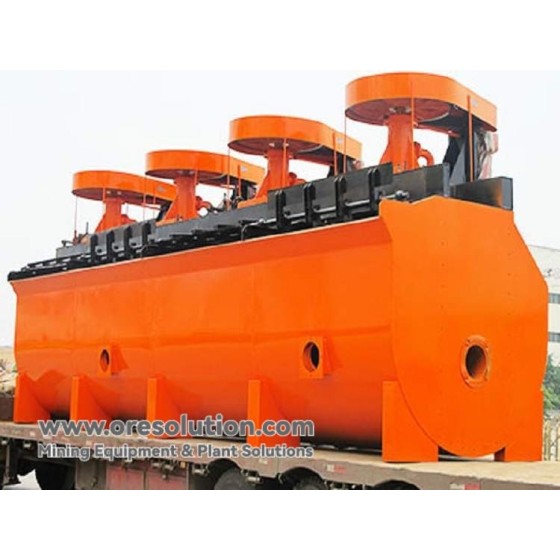
Gold Tailings Cyanidation Plant—High-Efficiency Gold Extraction Equipment and Environmental Protection Process Solutions
The grade of tailings and the recovery rate at gold tailings cyanidation plants are the two issues that plant managers care about most. High tailings grades, low recovery rates, and ever-increasing environmental pressure—these three problems often go hand in hand.When faced with poor performance metrics, many gold tailings cyanidation plants immediately consider replacing equipment—spending money without seeing any improvement in their metrics. Having worked in mining processing plant technology for over a decade, I\'ve seen this happen far too often—the problem is often not where you\'re looking.
This article focuses on gold recovery efficiency and environmental compliance at gold tailings cyanidation plants, covering phenomena, causes, solutions, implementation, and results,systematically explaining how to integrate high-efficiency gold recovery equipment with environmental protection processes, how to utilize the manufacturer-direct supply model, and what OreSolution\'s EPC turnkey model can achieve in gold tailings cyanidation scenarios.
I. Common Issues in Gold Tailings Cyanidation Plants—How Many Apply to You?
First, compare the following symptoms to see if your gold tailings cyanidation plant is experiencing the same issues.
The froth appears dull in color and comes off in sparse, patchy clumps, lacking the bright yellow luster typical of normal gold concentrate. The water in the tailings dam looks murky; when sampled and tested, the grade consistently remains at an abnormally high level and won\'t come down. Reagents are added again and again, yet the recovery rate shows no improvement—sometimes it even gets worse.During shift handoffs, the day shift\'s performance metrics are acceptable, but the night shift\'s drop off significantly—yet when asked, no one can pinpoint exactly what went wrong. On the environmental side, total cyanide in the tailings effluent and the moisture content of the tailings frequently hover near the red line, causing anxiety whenever inspectors arrive.
Taken individually, these issues aren\'t major, but together they represent the chronic problems plaguing the gold tailings cyanidation plant: gold recovery efficiency remains low, environmental compliance costs stay high, and equipment and processes operate in silos rather than as an integrated system.
Every slight increase in tailings grade results in a significant loss of metal value over the course of a year. There\'s no need to crunch the numbers—the plant manager knows exactly what\'s at stake. The real challenge is knowing there\'s a problem but not knowing where to start. Replacing equipment, modifying processes, or adding chemicals—every approach costs money, and spending it in the wrong place is a waste.
There\'s another, more subtle issue: the plant\'s design was based on a whim during construction, with either insufficient mineral processing tests or, if tests were conducted, reports that amounted to nothing more than a stack of paper—resulting in performance metrics that fall short after the plant is operational. Such problems are not uncommon in gold tailings cyanidation plants; the root cause lies at the source, not in on-site operations.
II. Where Do the Problems Lie? Three Root Causes—Don\'t Focus on Just One Area
Let\'s get the key points straight first: problems can arise in three areas—feed material, reagents, and equipment. Drawing conclusions based on investigating only one of these is the most common pitfall in plant retrofits.
First Root Cause: The feed material is not properly prepared before leaching.
When it comes to gold tailings cyanidation, many people believe the key lies in sodium cyanide concentration and leaching time. To be honest, this is only the surface of the issue.If the tailings themselves have a coarse particle size, high clay content, or contain encapsulated gold that hasn\'t been liberated, adding more reagents is a waste of effort. Insufficient grinding fineness means all subsequent processes will yield half the results with twice the effort. This is the first hurdle to gold recovery efficiency in gold tailings cyanidation plants.
The second root cause: a one-size-fits-all reagent regimen that doesn\'t adapt to the ore.
Many gold tailings cyanidation plants use reagent formulations established years ago; even though the properties of the ore have changed, the formulations remain unchanged. When the levels of interfering elements such as copper, zinc, and arsenic in the tailings increase, sodium cyanide consumption rises, yet the effective concentration actually drops.As pH levels fluctuate wildly, leaching efficiency goes on a roller-coaster ride. When it comes to chemical regimes, higher concentration isn\'t necessarily better—stability is key. When conventional chemicals fail to address selectivity issues, proprietary chemical systems must be employed to compensate.
The third root cause: aging equipment and poor process compatibility.
In some gold tailings cyanidation plants, the agitation intensity in the leaching tanks is insufficient, resulting in numerous dead zones in the slurry where the reagents do not come into uniform contact with the minerals. During the solid-liquid separation stage, turbidity escapes, and fine slurry is carried over in the valuable liquid, preventing the replacement rate from reaching the desired level downstream.Equipment isn\'t necessarily better the newer it is; it\'s best when it\'s matched to the processing capacity and ore properties. What\'s even more problematic is that design firms understand the process but not the equipment, while equipment manufacturers understand the equipment but don\'t oversee construction. When problems arise, they pass the blame onto each other, and ultimately, it\'s the investor who suffers.
These three root causes often occur simultaneously. Addressing only one while the other two remain unresolved will not yield the desired results. Therefore, solutions must be provided systematically, with high-efficiency gold extraction equipment and environmentally friendly processes working in tandem.
III. Solution: High-Efficiency Gold Extraction Equipment Combined with Environmentally Friendly Processes—Running All Three Lines Simultaneously
This solution does not require tearing down and rebuilding the gold tailings cyanidation plant. The core approach is to operate three production lines in parallel, addressing any bottlenecks as they arise.
Line 1: Pre-treatment before leaching to ensure the feed meets specifications.Before the tailings enter the leaching tanks, add a concentration and classification step. Return the coarse fraction for regrinding or separate processing, while feeding the fine fraction into the leaching process.Adjust the grinding fineness based on the ore\'s properties to meet the required range; do not rigidly apply a single fixed value. For tailings with high clay content, add a pre-washing or de-silting step to remove some of the fine silt that interferes with leaching. This step requires minimal investment but delivers tangible benefits to recovery rates downstream.OreSolution offers specialized integrated process combinations for the pretreatment of such ultrafine-grained, high-silt-content ores, capable of recovering high-value metals that would otherwise be lost in the slurry.
Second Approach: Dynamically adjust the reagent regimen; avoid a one-size-fits-all approach.Adjust the sodium cyanide concentration in small increments based on the tailings grade and the content of interfering elements, keeping fluctuations within a controlled range to avoid drastic ups and downs. Automatically adjust the pH using lime slurry—do not rely on manual estimates.For gold tailings cyanidation plants with the necessary infrastructure, install an online monitoring system to track the grades of the precious liquid and tailings solution at the leaching tank outlet in real time—this makes it immediately clear where concentrations are running high.
More leaching aids are not necessarily better. For arsenic- and copper-bearing tailings, selecting the right leaching aid is more important than simply increasing the dosage.OreSolution\'s proprietary chemical system can be specifically formulated based on the microscopic distribution characteristics of the ore, enabling targeted separation in complex polymetallic ores and reducing the intergrowth rate between useful minerals and gangue.For composite leaching agents supplied directly by the manufacturer, you can first obtain samples to conduct comparative tests and scale up production only after confirming suitability for your ore. At equivalent recovery rates, the specific consumption of sodium cyanide can be significantly reduced, with the exact extent depending on the ore\'s properties.Our proprietary portfolio of eco-friendly gold extraction agents and non-toxic desorbents helps minimize environmental compliance risks while ensuring recovery rates.
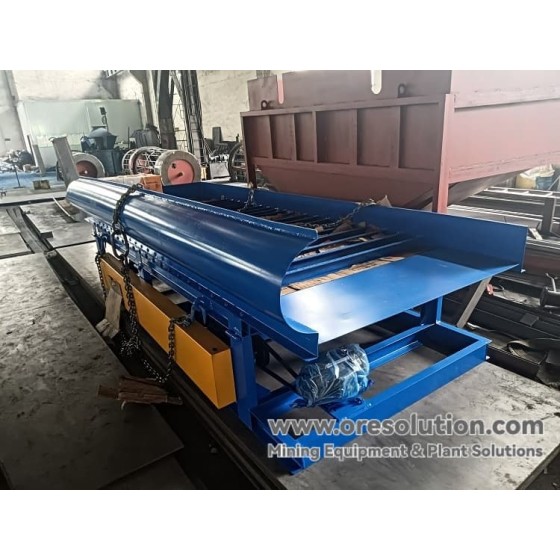
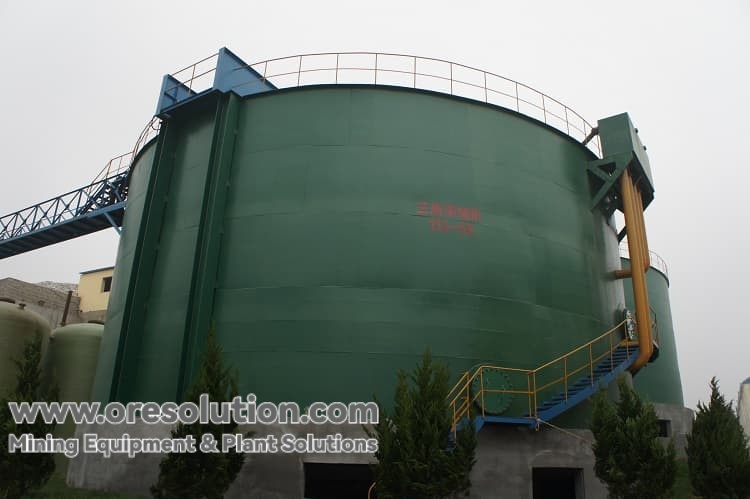
Third Approach: Pairing High-Efficiency Gold Extraction Equipment with Environmental Protection Processes as a Safety Net.For high-efficiency gold extraction equipment, focus on two key aspects: the agitation intensity in the leaching tanks and the clarity achieved during solid-liquid separation. If agitation intensity is insufficient, replace the agitators with high-efficiency ones; increase the number of slurry recirculations; and leaching time can be appropriately shortened.For solid-liquid separation, use a high-efficiency thickener with automatic flocculant addition to reduce the turbidity of the precious liquid, thereby improving the efficiency of subsequent zinc powder displacement or carbon adsorption.OreSolution possesses both process expertise and equipment manufacturing capabilities. Our proprietary core equipment is designed from the outset to ensure seamless integration with upstream and downstream processes, avoiding system incompatibilities caused by piecing together standard machines.
Environmental protection measures are mandatory. Wastewater treatment at gold tailings cyanide plants is subject to increasingly stringent inspections. Our solutions incorporate alkaline chlorination or hydrogen peroxide oxidation for cyanide removal, ensuring total cyanide levels in the effluent remain below regulatory limits, allowing for either discharge or reuse.For tailings with high moisture content, install high-efficiency filter presses to reduce the moisture content of the filter cake, facilitating both dry stacking and sale.Regarding dust control, install baghouse dust collectors in the crushing and screening stages—don\'t wait until the plant manager receives a call from environmental authorities before taking action. For tailings re-processing and solid waste recycling, OreSolution also offers specialized process packages, ensuring that environmental compliance is no longer a purely money-losing burden.
IV. Quick Reference: Issues, Causes, and Solutions for Gold Tailings Cyanidation Plants
This table is not intended to replace on-site diagnostics; rather, it serves as a reference to keep in mind as you walk through the workshop. If a symptom matches the description, investigate the cause further—don\'t start by tinkering with the equipment right away.
| Common Symptoms | Possible Causes | Countermeasures |
|---|---|---|
| High tailings grade, but recovery rate remains unchanged | Insufficient grinding fineness; encapsulated gold has not been liberated | Adjust the ball charge and sand return ratio; return coarse particles for regrinding; if the mud content is high, add pre-washing and desliming |
| Chemical performance has deteriorated despite meeting specified parameters | The reagent regimen does not match the ore characteristics; high levels of interfering elements | Make small, incremental adjustments to sodium cyanide dosage; implement automatic pH control; conduct small-scale pilot tests to select the appropriate leaching aid; use proprietary reagents when necessary |
| Turbid precious metal solution; low displacement rate | Insufficient clarity in solid-liquid separation; entrained fine slime | Automatic addition of flocculants in high-efficiency thickeners; add a dewatering step if necessary |
| Total cyanide in tailings exceeds the threshold; excessive filtrate from the filter cake | Mismatched cyanide removal process; insufficient filter press capacity | Select alkaline chlorination or hydrogen peroxide oxidation based on discharge standards, and configure a high-efficiency filter press |
| Shift handover indicators fluctuate erratically | No operating procedures for parameters; chemical dosing based on manual estimates | Standardize parameters into shift-specific operating procedures; implement automatic dosing at critical points |
| Post-commissioning performance metrics do not match test reports | Disconnect between testing and engineering; disconnect between design and equipment | Opt for the EPC turnkey model, where a single team takes full responsibility for testing, design, equipment, and commissioning |
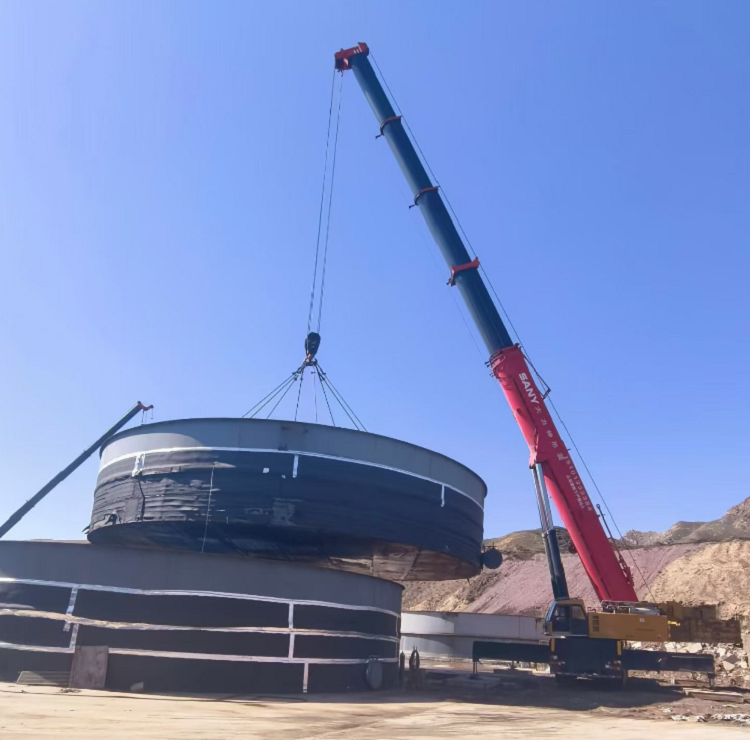
V. How to Implement the Plan: A Four-Step Approach, from Troubleshooting to Stabilization
Assessment, feed adjustment, chemical dosage adjustment, equipment modification, and environmental compliance wrap-up—the sequence must not be disrupted; proceed to the next step only after each one is firmly established.
Step 1: Conduct a baseline assessment of performance metrics.Don\'t rush into making changes. Review the lab reports from the past month and compile a table organized by shift, listing tailings grade, recovery rate, reagent consumption per unit, grinding fineness, and pH value. Identify which shifts show significant drops in performance metrics and which segments exhibit high volatility.At the same time, take samples from three points—the tailings entering the leach tank, the leach tank outlet, and the final tailings—and perform particle size analysis and metal distribution analysis. This step takes time, but it will save you from taking detours later on. If the source solution itself is problematic, this step will also help you determine whether to conduct a systematic re-examination of the mineral processing test.
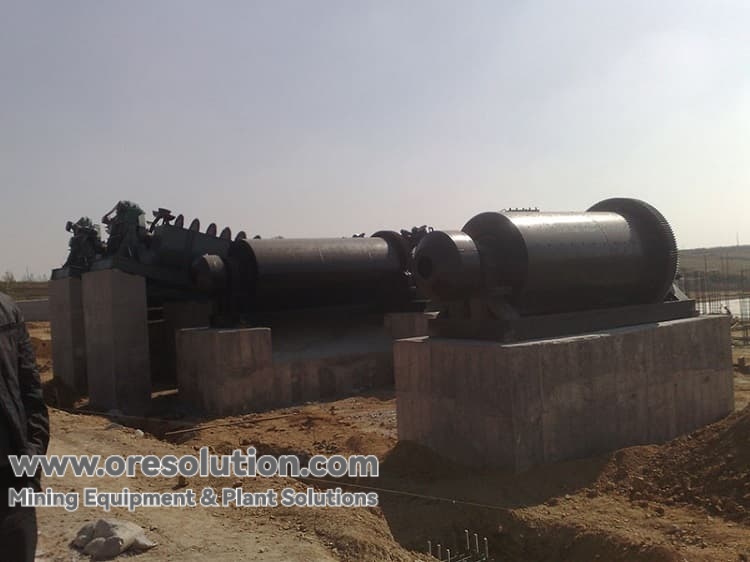
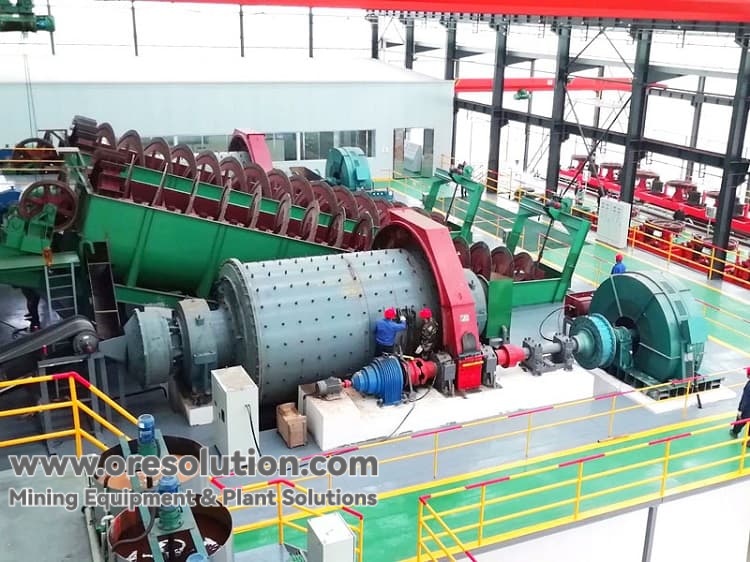
Step 2: Adjust the grinding and pre-treatment processes to stabilize the feed.Based on the initial assessment results, if the grinding fineness is insufficient, adjust the ball charge in the ball mill and the return ratio of the classifier. If the slime content is high, implement desliming or pre-washing. This step primarily involves adjusting parameters and does not require major equipment modifications. After making adjustments, allow the process to stabilize for a few days before taking samples to check for changes in fineness and grade.Once the fineness meets the standard, proceed to the next step.
Step 3: Make incremental adjustments to the reagent regimen while simultaneously modifying the high-efficiency gold recovery equipment.Make slight adjustments to the sodium cyanide concentration; after each adjustment, allow the system to stabilize for a period before taking samples. For pH control, use automatic dosing rather than manual adjustment. Conduct small-scale tests to select the appropriate leaching agents; one advantage of direct supply from manufacturers is the ability to obtain samples for comparative testing beforehand. OreSolution\'s proprietary reagents can also be incorporated at this stage for targeted formulation.For the high-efficiency gold extraction equipment, modify the agitator blades and the flocculation system of the thickener simultaneously. After the modifications, run the system for a period to monitor the turbidity of the precious liquid and the replacement rate.
Step 4: Finalize the environmental protection process and solidify the performance metrics.Implement the cyanide removal and filter press stages last, as tailings volume and water quality only become meaningful once recovery rates have stabilized. Adjust the cyanide removal reagent dosage in real time based on the total cyanide content in the tailings solution—do not set a fixed dosage from the start. Run the filter press for a period of time until the filter cake moisture content stabilizes; at that point, the system is considered operational.Finally, document the adjusted parameters in a shift operation card. Ensure that shift handoffs strictly follow the card to prevent fluctuating performance metrics. If the project is an EPC turnkey project, the commissioning and training for this step should be carried out by the same team to ensure a seamless chain of responsibility.
VI. How Effective Is It? Look at Trends, Don\'t Blindly Copy Numbers
Performance variations are directly related to ore properties, processing capacity, and the foundation of the existing process; figures from other plants should only be used as a reference and cannot be copied verbatim.
Performance varies significantly among different gold tailings cyanidation plants. For easily leachable ores, the potential for improvement is somewhat limited, whereas for hard-to-leach ores or those with high levels of interfering elements, the potential for improvement is actually greater.
Regarding tailings grade, most plants can reduce it by approximately 0.1 percentage points after system retrofitting, with a more pronounced reduction for hard-to-leach ores. The increase in recovery rate depends on the ore\'s properties; some plants see an improvement of a few percentage points, while others achieve a more significant increase over their baseline.Sodium cyanide consumption per metric ton can typically be reduced to some extent when the chemical regimen is fine-tuned and the correct leaching aids are selected, leading to a corresponding decrease in chemical costs per metric ton of ore. These figures are reference ranges, not guaranteed values; for your specific plant, accurate results can only be determined after conducting pilot tests and a baseline assessment.
Regarding environmental indicators, after cyanide removal, the total cyanide content in the tailings solution remains consistently below the regulatory threshold; the moisture content of the filter cake from the filter press decreases, preventing leaching from dry piles; and dust emission concentrations are maintained below regulatory limits.
In terms of return on investment, the payback period for equipment retrofits and chemical adjustments at gold tailings cyanidation plants depends on processing capacity and the degree of improvement. For plants with high processing capacity, even a slight improvement in recovery rate yields significant annual benefits; for smaller plants, the focus should be on reducing specific chemical consumption and meeting environmental standards—both of which translate to cost savings.OreSolution focuses on overall cost-effectiveness—precise equipment selection eliminates over-specification, EPC turnkey contracting eliminates the hidden costs of coordination disputes among multiple parties, and energy-efficient design reduces operational consumption in the long term.
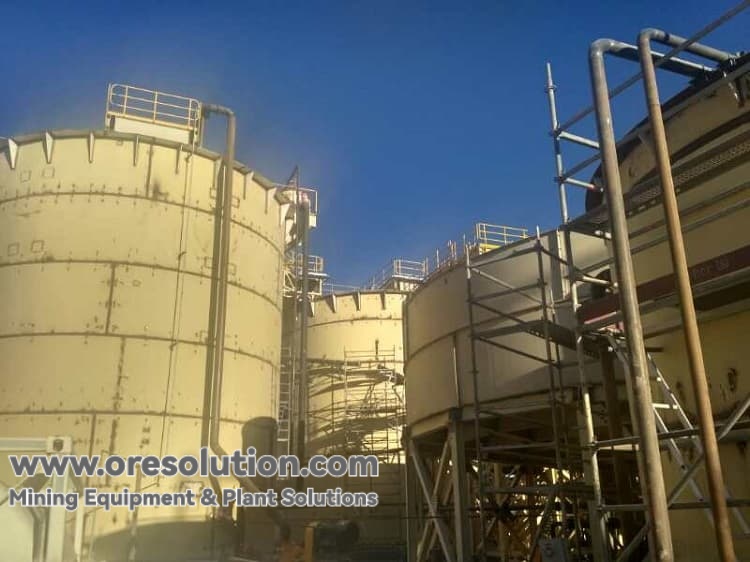
VII. What to Consider When Selecting a Gold Tailings Cyanidation Plant: Key Points for Matching High-Efficiency Gold Extraction Equipment with Environmental Protection Processes
This is a key concern for many clients, so we\'ll address it separately.
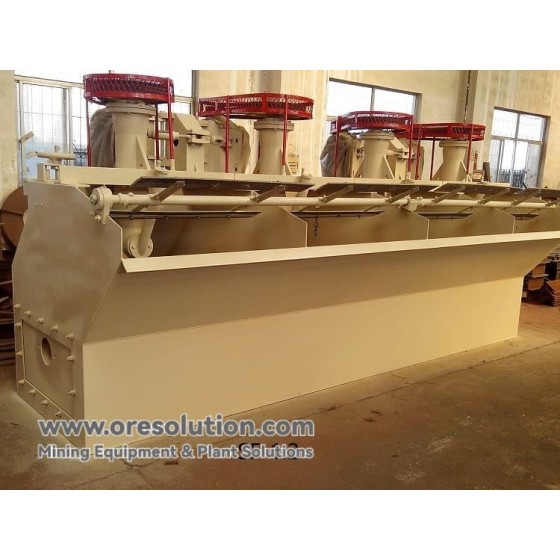
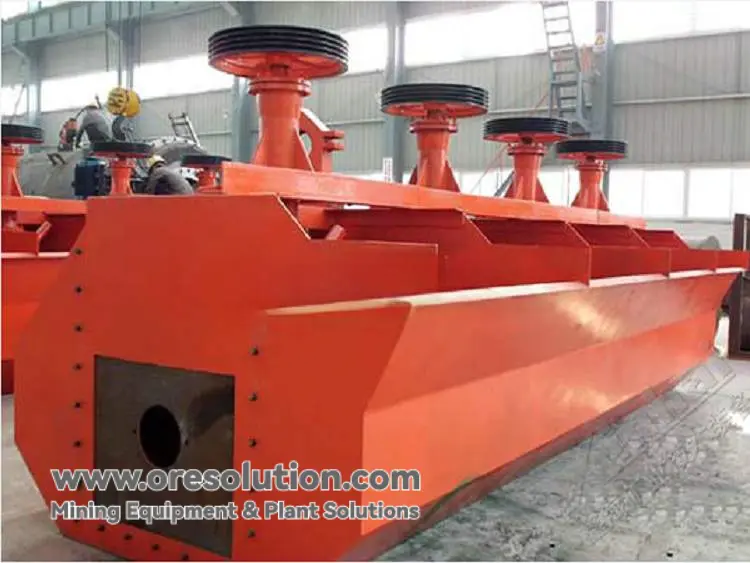
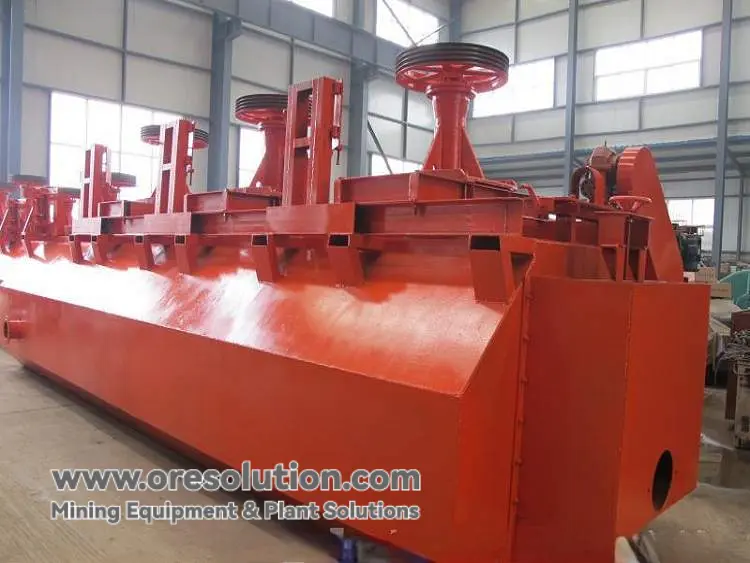
When selecting high-efficiency gold extraction equipment, first consider the processing capacity and ore properties, then examine the equipment specifications.The agitation intensity of the leaching tanks must be matched to the slurry concentration and throughput—bigger isn\'t necessarily better. Allow for some margin when selecting the area of the thickener; don\'t choose one that\'s just barely sufficient for your throughput. The filter plate material and filtration area of the filter press should be determined based on the required tailings moisture content.The advantage of direct supply from the manufacturer is that equipment selection can be tailored to your actual operating conditions, rather than being pressured into purchasing oversized equipment. OreSolution has its own equipment manufacturing system, offering a full range of integrated solutions for flotation, gravity separation, magnetic separation, crushing and screening, and thickening and dewatering. Our proprietary core equipment also allows for customized flow field and kinetics designs based on process requirements.
When selecting an environmental treatment process, first consider local discharge standards, then the cost of chemicals.Cyanide removal processes include alkaline chlorination, hydrogen peroxide oxidation, and ozone oxidation, among others; chemical costs and operational complexity vary by process.The choice of cyanide treatment plant for gold tailings depends on the total cyanide requirements for the tailings effluent and on-site conditions; avoid blindly implementing excessive treatment. Whether tailings are stored in dry piles or discharged wet will also affect the configuration of filter presses and thickeners.
The coordination between equipment and chemicals is just as important as considering either one individually.Even if high-efficiency gold recovery equipment is optimized, if the chemical regimen doesn\'t keep pace, the desired performance metrics won\'t be achieved; conversely, if the chemical regimen is optimized but the equipment\'s agitation can\'t keep up, the effort is equally wasted.This is where the value of the direct-from-manufacturer model lies—equipment and reagents can be coordinated and adjusted together, and if a problem arises, you can contact a single provider instead of having the issue passed back and forth between the equipment and reagent suppliers. If you opt for an EPC turnkey solution, design, equipment, construction, and commissioning are all handled by a single team, ensuring there are no breaks in the chain of responsibility.
VIII. About Us
OreSolution adopts a full-cycle EPC turnkey model, with a single team taking full responsibility from start to finish—covering everything from mineral processing tests, process design, and equipment manufacturing to installation and training.We ensure minimum performance standards for conventional processes while maximizing potential through proprietary reagents, process packages, and core equipment. We specialize in projects involving polymetallic ores, fine-grained mineralization, high clay content, and complex solid waste. Core design work is completed by our in-house team, eliminating the need to engage external design institutes—saving hundreds of thousands of dollars in design fees for medium- to large-scale projects.
Our support is concrete: free small-scale pilot testing of ore samples, equipment selection plans tailored to operating conditions, advance samples of reagents for testing, and environmental processes customized to local standards. Simply collect samples from three points—the leach feed, leachate outlet, and final tailings—and send them to us. Once the pilot test data is available, it will be immediately clear whether recovery is possible, what the recovery rate will be, and which process steps need adjustment.
Returning to the question posed at the beginning: What exactly is holding back the grade and recovery rate of tailings at gold cyanide plants?The answer often lies outside the usual areas of investigation. First, verify the compatibility between grinding fineness and the reagent regimen; then determine the direction for upgrading high-efficiency gold recovery equipment and configuring environmental protection processes. By advancing these three areas—equipment, reagents, and processes—in a coordinated manner, gold cyanide plants can achieve stable gold recovery efficiency and consistent compliance with environmental standards.This is precisely where the value of OreSolution\'s EPC turnkey model and direct-from-manufacturer supply system lies—we handle the complexity ourselves while delivering certainty and profitability to our clients, ensuring that every investment yields tangible results.