


Mechanical Processing Line Solution for Low-Iron Quartz Sand: Sand Blasting and Iron Removal for Plate Production
First, let\'s list three key points.
- Whether to use a mechanical line or an acid leaching line for iron reduction and purification depends on the form in which iron is present, rather than the market perception of the process route.
- Mechanical processing lines have a low environmental impact and manageable operating costs, but there is an upper limit to the degree of whiteness that can be achieved; acid washing offers high whitening efficiency, but chemical consumption and waste acid disposal pose significant constraints.
- There is no one-size-fits-all template for mechanical line solutions for low-iron quartz sand; configurations must be tailored to the properties of the raw ore, the target whiteness, and environmental requirements.
Decisions regarding the selection of iron-reduction and purification methods for sheet-grade sand frequently arise in actual projects. The following analysis examines the separation mechanisms, cost structures, and applicability limits of mechanical and acid-washing lines, and concludes with selection criteria for different operating conditions.
Decision Challenges: Two Technical Pathways for Iron Reduction and Purification
The core performance metric for the purification of slab sand (siliceous sand used as a filler in engineered quartz slabs, granite-look slabs, and similar products) is whiteness. Insufficient whiteness results in a dull, grayish color in the slabs, which negatively impacts the product\'s selling price.The technical challenge that the mechanical processing line for low-iron quartz sand must address is the removal of color-causing impurities—such as iron and titanium—as well as clay and mica-like minerals from the particle surfaces.
Based on standard industry process classifications, iron-reduction in quartz sand is generally divided into three tiers: washing combined with magnetic separation for standard glass sand; washing, magnetic separation, and flotation for high-purity sand; and washing, magnetic separation, flotation, and acid washing for photovoltaic and electronic-grade high-purity quartz.Sheet-grade sand is primarily concentrated in the first two tiers, with the third tier applicable only in scenarios requiring high whiteness.
Acid washing targets surface iron films; it dissolves rust and iron stains directly using an acidic solution. Mechanical processing lines—which combine physical separation methods such as scrubbing, magnetic separation, and flotation—target individual iron-bearing minerals and clay-like substances, and have limited ability to remove surface iron films.
In actual process selection, it is difficult to determine the appropriate process path based solely on the appearance of the raw ore. The decision-making basis for purifying and increasing the whiteness of slab sand lies in the gap between the iron content in the raw ore and the target whiteness level.
Option A: Acid Washing Line—An Enhanced Method for Iron Reduction and Purification
Acid washing serves to enhance whiteness during the iron reduction and purification of sheet sand. Commonly used acids include oxalic acid, hydrochloric acid, and sulfuric acid; hydrofluoric acid, due to its high operational risks, is restricted to specific scenarios. Oxalic acid exhibits good selectivity in dissolving iron films, while hydrochloric acid and sulfuric acid are lower in cost but more corrosive.
Advantages: High efficiency in removing surface iron oxide films and rust; significant improvement in whiteness; suitable for situations where the raw ore has a high silicon content and only the surface is contaminated with iron. The reaction time is short, and the process is highly controllable.
Limitations: Chemical consumption constitutes an ongoing cost, and the disposal of waste acid is subject to strict environmental regulations. The investment and operational burdens associated with a complete system for neutralizing, precipitating, and discharging waste acid in compliance with standards are significant.Equipment requires high corrosion resistance, and maintenance complexity increases accordingly. Acid washing imposes specific requirements on particle size distribution; fine-grained materials are difficult to filter, while reaction uniformity decreases for coarse-grained materials.
Investment and Operations: A medium-scale acid leaching system encompasses reaction, filtration, and waste acid treatment units, with investment costs varying significantly based on production capacity and configuration. Within operating costs, chemicals and waste acid disposal account for a high proportion, and treatment capacity is constrained by the reaction cycle.
Advantages: No acid is introduced, resulting in a lower environmental impact and relatively simple tailwater treatment. Operating costs consist primarily of electricity and water consumption, with chemical usage significantly lower than in acid leaching. The equipment is highly versatile, maintenance is relatively simple, and it has a wide range of adaptability to particle size distributions.
Limitations: Limited ability to remove surface iron films, particularly iron that has penetrated into the microcracks of particles. When the ore is severely iron-stained, both magnetic separation and flotation struggle to function effectively, and whiteness improvement plateaus. The impact of residual flotation reagents on the resin curing of downstream sheet materials requires compatibility testing to be conducted in advance.
Investment and Operations: Capital expenditures for the scrubbing, magnetic separation, and flotation systems vary significantly depending on scale; however, operating costs are typically lower than those of acid washing, with higher processing capacity and a higher degree of continuous operation.
The combined process is not a simple superposition of the two routes. Its technical logic is as follows: the mechanical line first removes most of the free iron minerals and clay, reducing the iron content in the acid-washing feed, while acid washing treats only the residual surface iron film. Consequently, acid consumption decreases, waste acid volume is reduced, and whiteness can still reach a high level.
The conditions for its application are relatively clear: it is suitable when the raw ore contains both free iron minerals and surface iron stains, with uneven grain size distribution, making it difficult for a single process to meet standards. The trade-offs include a longer process flow, an increased number of equipment units, a larger footprint, higher initial investment, and a correspondingly extended installation period.If the properties of the raw ore align with the process characteristics, the overall operating costs may be lower than those of a pure acid leaching route.
Multidimensional Comparison
When selecting a process for iron purification from sand-blasted sheet metal, particular attention should be paid to two key indicators: environmental pressure and the degree of brightness improvement. These two factors typically directly determine a project\'s feasibility and economic viability.
| Comparison Dimensions | Acid Washing Line | Mechanical Line Option | Combined Process |
|---|---|---|---|
| Capital Expenditures | Relatively low | Moderate | Relatively high |
| Operating Costs | High proportion of chemical and waste acid disposal costs | Electricity and water consumption are the main costs; chemical usage is low | Moderate, with reduced acid consumption |
| Treatment Capacity | Constrained by reaction cycles | Continuous operation with high capacity | Longer process flow, slightly above average |
| Degree of whiteness improvement | Significant; effective against surface iron film | Moderate; limited by the form of iron | Significant, with good stability |
| Environmental pressure | Significant; spent acid poses a strict constraint | Low; effluent treatment is simple | Moderate; reduced waste acid volume |
| Maintenance Difficulty | High; equipment requires high corrosion resistance | Low; primarily uses standard equipment | Medium to high; involves multiple steps |
| Applicable particle size range | Moderate; filtering very fine materials is difficult | Relatively wide | Relatively wide |
| Installation time | Short | Moderate | Longer |
The investment and operational data in the table are provided for relative reference only. Projects vary significantly in terms of raw ore characteristics, production capacity, local labor costs, and environmental protection expenditures; directly applying data from other projects may lead to inaccuracies.
Recommendations for Equipment Selection Based on Operating Conditions
Prioritize acid leaching lines. If the content of free iron minerals is also high, adopt the combined process as described in Operating Condition 3; do not expect a purely mechanical line to achieve significant improvements in whiteness.
Prioritize a mechanical processing line using low-iron quartz sand. A combination of magnetic separation and scrubbing typically meets the required specifications, offers lower operating costs, and maintains a manageable environmental impact. Adding acid washing in this scenario would constitute over-specification.
A combined process should be adopted. Mechanical processing followed by acid washing reduces acid consumption and results in more reasonable overall costs.
Regardless of whether the raw ore is suitable for acid washing, a waste acid treatment plan must be established first. This is a prerequisite for the project.
Three Key Metrics of Concern to Downstream Sheet Steel Mills
The acceptance criteria for purity and whiteness in sheet sand are ultimately determined by downstream end-users. Sheet manufacturers primarily focus on three factors: whiteness stability, batch consistency, and chemical residue.
The stability of whiteness is more important than absolute whiteness. If a single batch meets the whiteness standard but subsequent batches fall short, it will result in color mismatches in the sheet products and still lead to returns. Whiteness fluctuations in the mechanical line process are typically smaller than those in acid leaching, constituting a hidden advantage.
Batch consistency depends on the level of process control. Fluctuations in both acid pickling reaction time and acid concentration can affect the results; mechanical lines rely on stable equipment parameters, and consistency is even better when the process is highly continuous.
Chemical residue primarily concerns the flotation and acid washing stages. The impact of flotation reagent and acid residue on resin curing must be assessed through compatibility testing prior to factory acceptance; it is not advisable to wait for feedback from the panel manufacturer before investigating the issue. This metric is of high concern to downstream customers.
Production Capacity and Site Layout for Mechanical Processing Lines
For low-iron quartz sand mechanical line solutions, larger production capacity does not necessarily equate to better performance. The processing capacities of the scrubbing, magnetic separation, and flotation units must be mutually compatible, and the capacity of intermediate buffer silos should allow for some margin; otherwise, an imbalance in processing capacity between upstream and downstream stages will result in reduced whiteness stability.
Site conditions are often underestimated in actual projects. Mechanical processing lines involve a large number of equipment units and a lengthy process flow, resulting in a larger footprint than pure acid-washing systems; while acid-washing line reactors are concentrated in one area, the waste acid treatment zone must be designated as a separate area. Factory ceiling height, drainage systems, and corrosion-resistant flooring must all be incorporated into the design in advance.
It is recommended to first complete the process balance calculations based on the target production capacity, and then determine equipment selection and space requirements accordingly. Skipping this step and proceeding directly to equipment procurement will significantly increase the costs associated with subsequent process adjustments.
Equipment Configuration and Full-Process Support
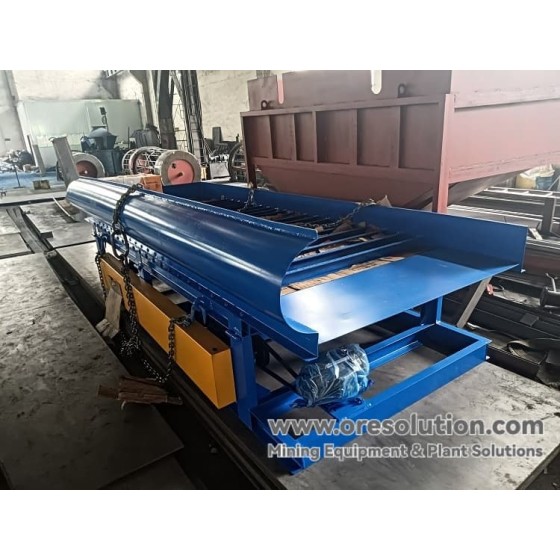
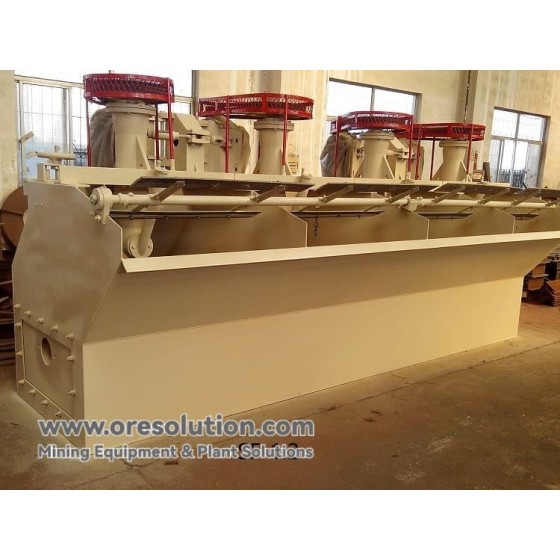
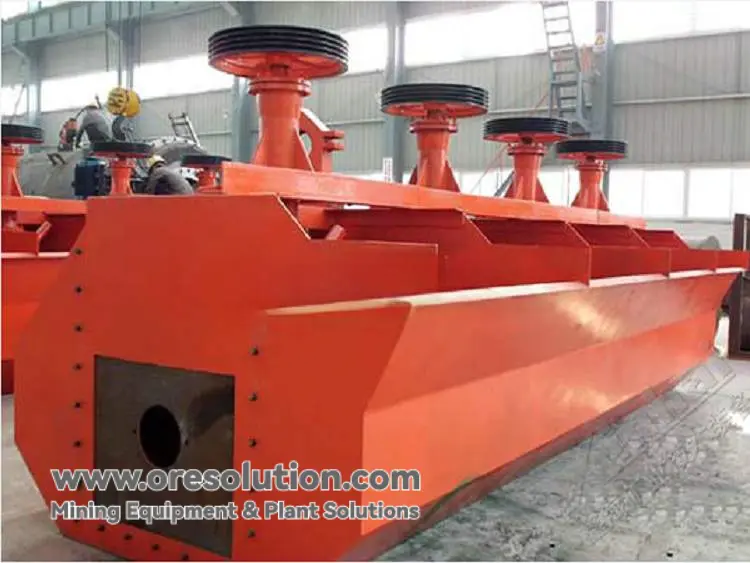
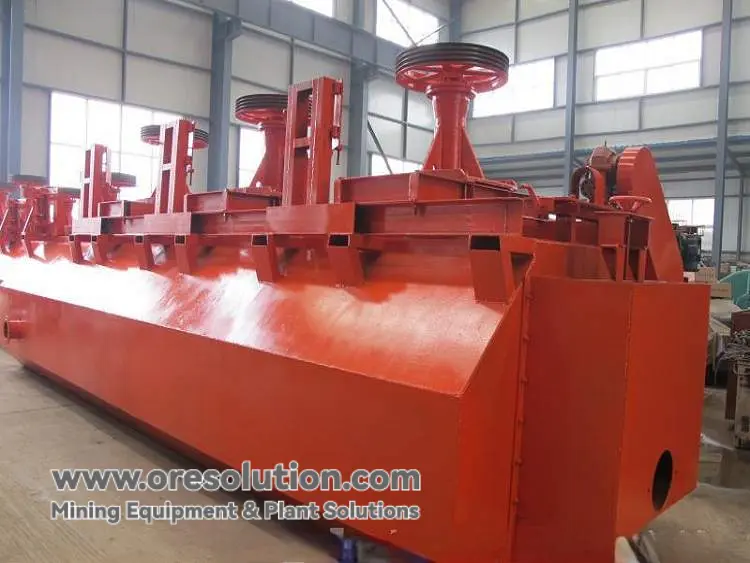
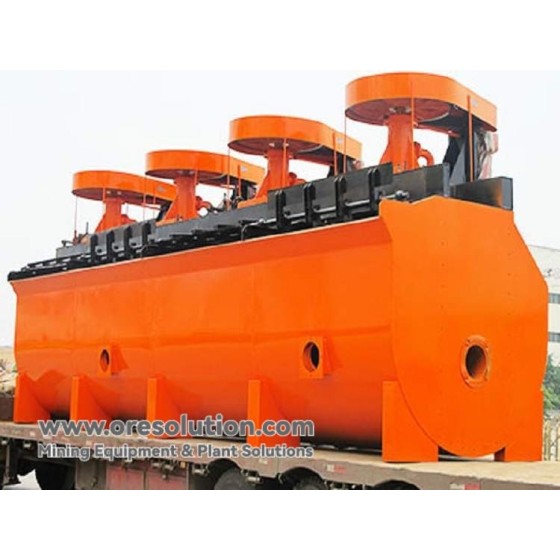
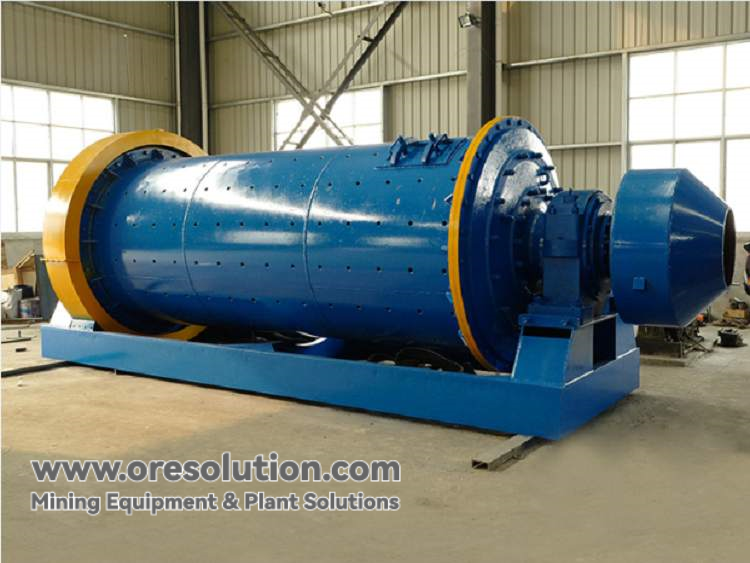
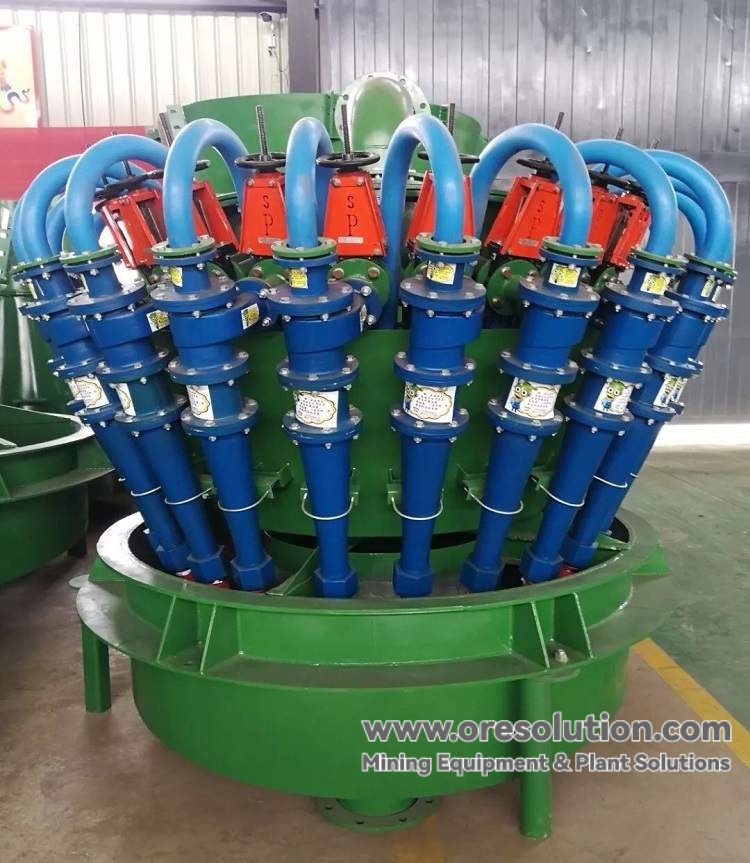
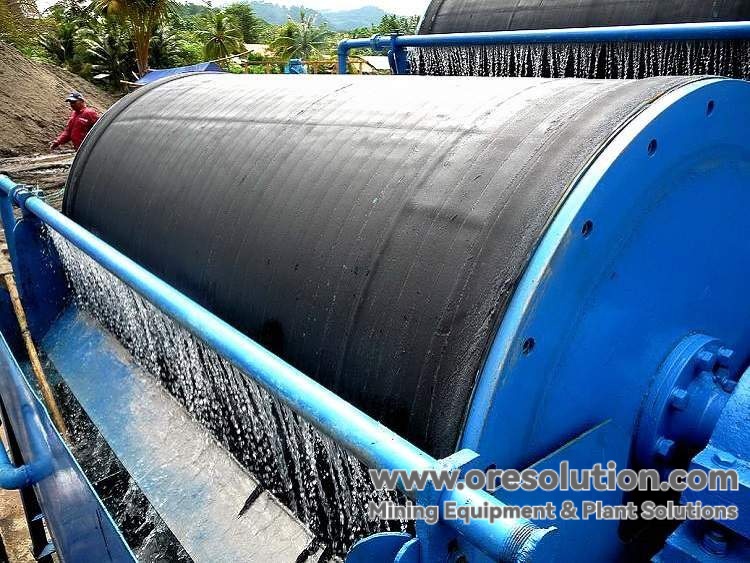
The scrubbing section typically employs cylindrical ore washers and spiral ore washers in conjunction with hydrocyclones; the magnetic separation section primarily uses wet high-intensity magnetic separators, with high-gradient magnetic separation equipment employed when strict iron removal requirements apply;the flotation section employs aerated flotation cells to remove associated minerals such as mica and feldspar; the acid leaching section is equipped with reaction vessels, washing and filtration systems, and waste acid treatment systems; and the final stage involves dewatering operations carried out by thickeners, filter presses, and dewatering screens.
The above configuration is not a fixed template. Any change in the size distribution of embedded particles, associated elements, or target whiteness requires corresponding adjustments to equipment specifications and the number of processing stages. Industry best practice is to first conduct mineral processing tests and determine the process flow and equipment list based on ore sample data, thereby avoiding the failure to meet specifications that can result from directly applying standard configurations.
Methods for Evaluating Return on Investment
The acid leaching route requires relatively low initial investment, but chemical reagents and waste acid disposal account for a high proportion of operating costs, and processing capacity is constrained by reaction cycles. The mechanical route requires moderate initial investment, with operating costs typically lower than those of acid leaching, and offers higher processing capacity. The combined route requires a higher initial investment, but with reduced acid consumption, its overall operating costs may be lower than those of the pure acid leaching route.
The key variable in the payback period is the whiteness premium. For each increase in whiteness grade, it must be calculated based on local market conditions whether the price difference for sheet sand can cover the additional capital investment and operating costs.Generally speaking, for projects with a high whiteness premium and ore suitable for acid leaching, acid leaching or the combined process achieves a faster return on investment; for projects with a limited whiteness premium and simple ore properties, the mechanical processing route is a more robust option. Specific figures should not be applied indiscriminately, as there are significant differences between projects.
Case Study
At a mine in Yunnan, the raw ore exhibited significant surface iron staining. Initially, mechanical scrubbing and magnetic separation were used, but the increase in whiteness plateaued.Subsequently, an oxalic acid leaching process was added, bringing the whiteness up to the requirements of downstream sheet manufacturers. The spent acid was treated through neutralization and precipitation, and the project passed environmental inspection. The key to this case lies in the process sequence of “mechanical processing followed by acid leaching,” rather than acid leaching throughout the entire process.
At a mine in Jiangxi, the raw ore consisted primarily of magnetite with a relatively coarse grain size. Pure mechanical magnetic separation combined with scrubbing achieved the target whiteness without the need for an acid washing process, resulting in well-controlled operating costs. This scenario represents favorable raw ore conditions, where the mechanical processing line for low-iron quartz sand does not require a complex design.
Common Misconceptions
The form in which iron is present must first be determined. Independent iron minerals can be removed through magnetic separation alone; adding an acid washing step is an ineffective investment.
The impact of residual flotation reagents on downstream resin curing must be verified through compatibility testing; it is not advisable to wait for feedback from panel manufacturers before taking corrective action.
The reality is quite the opposite. When designed properly, combined processes can offer better whiteness stability and lower overall costs than single-process routes—provided the process design is tailored to the properties of the ore.
This issue has the most direct impact. Environmental capacity is a rigid constraint that cannot be substituted by technical measures.
Pre-Decision Verification Items
- Form of iron in the raw ore—whether as a discrete mineral or a surface film—must be determined through mineralogical analysis.
- The specific target whiteness value, as well as downstream customers\' tolerance for chemical residue.
- Local waste acid control policies and whether disposal options for waste acid have been secured.
- Particle size distribution—particularly the proportion of fine particles—directly affects the efficiency of acid leaching filtration and mechanical line sorting.
- Conduct pilot or intermediate-scale tests first; it is not advisable to scale up operations based solely on experience.
Among the above considerations, mineral phase identification and waste acid disposal are two mandatory prerequisites. Projects that skip this step and proceed directly to equipment selection have a high probability of requiring rework later on.
Key Considerations for Selecting Iron-Removal and Purification Processes
Iron reduction and purification for sheet-grade sand is not a single process choice but rather a combination of processes tailored to the properties of the raw ore and the target whiteness.The mechanical line solution for low-iron quartz sand is suitable for scenarios with simple raw ore properties and moderate whiteness requirements, where capital and operating costs are relatively controllable; the acid washing line is suitable for scenarios with heavy surface iron staining and high whiteness requirements, but environmental protection costs must be calculated in advance; the combined process is suitable for complex raw ores that exhibit characteristics of both categories.
Whether to use a mechanical line or acid washing for purifying and whitening sheet sand depends on the raw ore conditions and the target whiteness level, rather than the relative merits of the processes themselves. Data and test results are more reliable than empirical judgments.
For further evaluation, please provide the raw ore grade, target whiteness, and local environmental requirements so that we can determine whether to prioritize the mechanical line or directly implement the acid washing process.