


Purification of Quartz Sand for Liquid Crystal Glass
Key Conclusions
When purifying quartz sand for LCD glass, one-size-fits-all solutions do not apply. Three key variables—the iron content of the ore, the form in which iron is present, and the relationship between particle size and mineral distribution—directly determine the process flow and equipment configuration.When purifying quartz sand for liquid crystal glass, the production line design must be tailored to your specific raw ore—this is not just a slogan, but a fundamental requirement of the process logic itself. This article breaks down the process routes by raw ore type and clarifies several key issues.
What Are the Challenges in Purifying Quartz Sand for Liquid Crystal Glass?
Liquid crystal glass imposes very strict requirements on the iron content of quartz sand. Fe₂O₃ must typically be controlled within the range of 0.01% to 0.02%, depending on the product\'s intended use and the requirements of downstream furnaces. This specification means that standard quartz sand purification approaches are insufficient; a customized design tailored to the raw ore is essential.
The main impurities in quartz sand are iron, aluminum, feldspar, and others. The challenge lies not in “whether impurities can be removed,” but in the form in which they exist.Iron may exist as a separate mineral, adhere to particle surfaces as a thin film, be embedded in fissures, or be present as structural iron within feldspar and mica—and the treatment methods for each of these scenarios are entirely different. The core of a production line solution for purifying quartz sand for liquid crystal glass lies in organizing the process around the specific state in which the impurities are present.
Scrubbing, magnetic separation, flotation, and acid washing are the four primary methods for purifying quartz sand. For ordinary glass sand, scrubbing combined with magnetic separation is sufficient;high-purity sand requires washing, magnetic separation, and flotation; for photovoltaic and electronic-grade high-purity quartz, a combined process of washing, magnetic separation, flotation, and acid leaching is mandatory. Sand used in LCD glass falls between high-purity sand and electronic-grade sand; the specific process steps depend on the raw ore.
First, determine the type of raw ore; then discuss the process route
When evaluating a quartz sand deposit, the first step is to conduct a process mineralogy analysis and mineral processing tests.It is essential to determine: impurity content, occurrence state, embedding relationships, and types of associated minerals. OreSolution\'s approach is to conduct tests first and build the plant later—we refuse to simply follow blueprints—and the reason lies here: quartz sand deposits vary too greatly; even two deposits in the same region may have different forms of iron.
Based on the characteristics of the raw ore, it can be broadly classified into several categories, each corresponding to a different purification route.
Iron exists in the form of discrete minerals such as magnetite, hematite, and limonite. This type of ore is relatively easy to process, with magnetic separation serving as the primary method. Coarse particles are processed using permanent magnet separation, while fine particles are processed using high-gradient magnetic separation. If the specifications are not met after magnetic separation, an acid leaching stage is added.
Iron is present as a thin film adhering to the surface of quartz particles or as clay-like material enveloping the particles. Magnetic separation is limited for this type of ore because the iron is not contained within discrete minerals. The first step is scrubbing and desliming: high-concentration agitation with a dispersant is used to strip the surface iron and fine clay, followed by magnetic separation and acid leaching.
Iron is embedded in the fissures of quartz grains or present within silicate minerals such as feldspar and mica. This type of ore requires a combined process: fine grinding to expose the fissure iron, followed by magnetic separation or acid leaching; for structural iron, feldspar and mica must first be removed via flotation, followed by deep iron removal.
This category involves a combination of the above scenarios. Magnetic separation, flotation, scrubbing, and acid washing may all be required, and the sequence of processes must be determined through testing. An incorrect sequence will result in significantly poorer results.
Typical Modules of a Liquid Crystal Glass Quartz Sand Purification Production Line
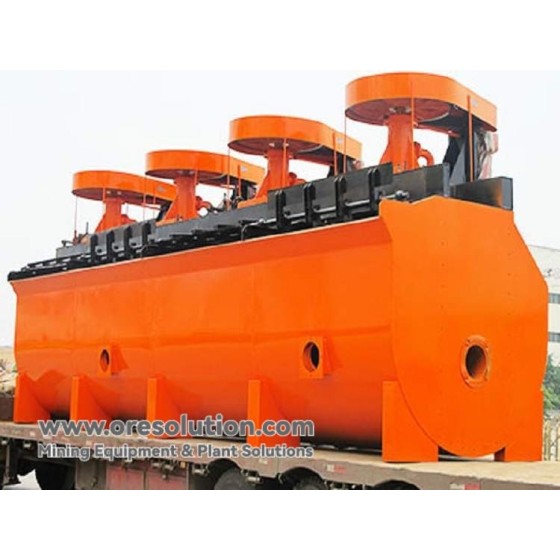
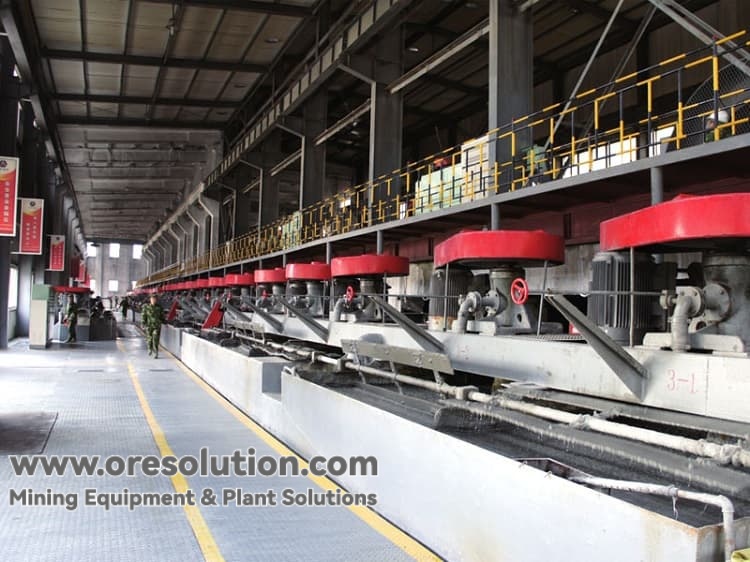
While the specific lines vary depending on the type of raw ore, the major modules share commonalities. OreSolution\'s quartz sand purification lines feature core equipment including scrubbers, high-intensity magnetic separators, flotation cells, acid leaching reactors, and dewatering and drying systems, which are combined according to the process sequence.
Crushing and GrindingThe raw ore is first crushed to the appropriate particle size before being fed into the grinding mill. The grinding fineness is determined by the particle size of the embedded impurity minerals. For coarsely embedded minerals, grinding to achieve single-particle liberation is sufficient; for finely embedded minerals, finer grinding is required, but care must be taken to avoid over-grinding.Over-grinding produces fine slurry, which makes subsequent dewatering difficult and increases contamination caused by iron-related wear. Grinding media and liners should be made of ceramic or rubber whenever possible.
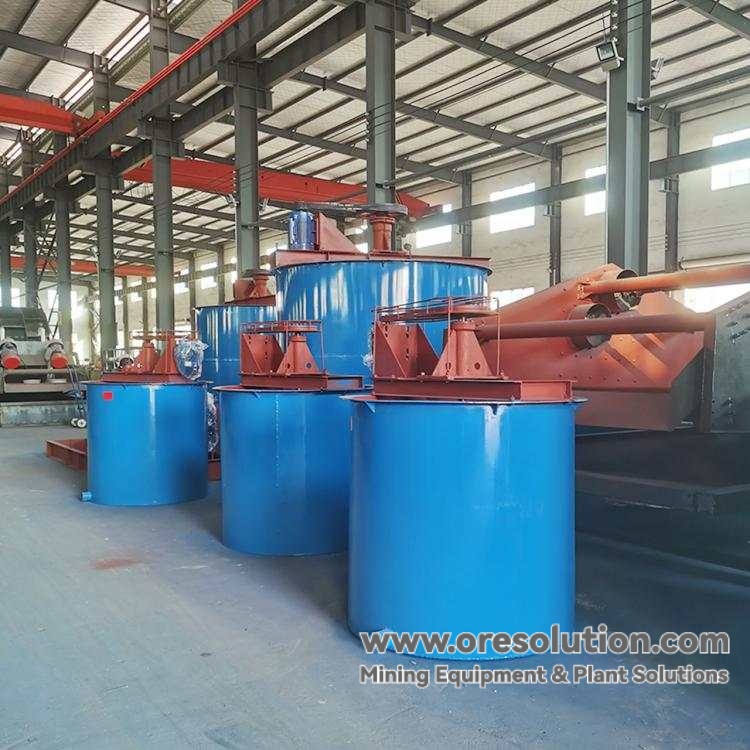
Scrubbing and DeslimingScrubbing targets surface iron and clay. Through high-concentration agitation and the addition of dispersants, the thin film of iron and fine clay on the particle surfaces is stripped away, followed by desliming. This step is highly effective for ores with severe surface iron contamination but has limited effect on ores dominated by free iron minerals.
Magnetic SeparationMagnetic separation is the core process for iron removal. Permanent magnet separation is used for coarse-grained fractions, while high-gradient magnetic separation is used for fine-grained fractions.The background field strength for high-gradient magnetic separation depends on the magnetism of the raw ore and is typically 1 T or higher. If the raw ore contains a high proportion of magnetite, it should first pass through a weak magnetic separator; if it consists primarily of hematite or limonite, it can proceed directly to the high-gradient separator.The number of magnetic separation stages is determined by the iron content and final specification requirements; if one stage is insufficient, two stages are used. OreSolution\'s magnetic separation equipment includes dry-type multi-roll high-intensity permanent magnet separators, wet-type high-intensity magnetic separators, and electromagnetic slurry separators, among others, with the specific model selected based on ore sample test results.
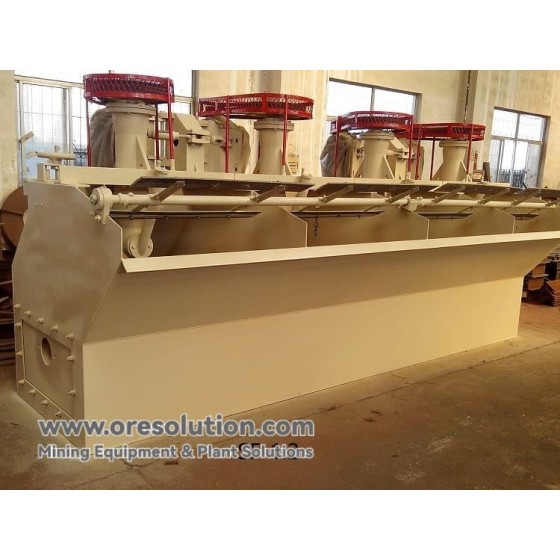
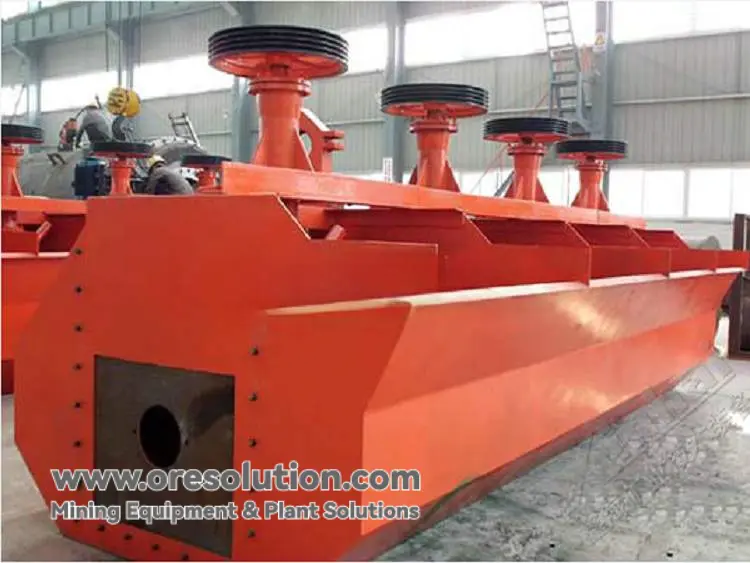
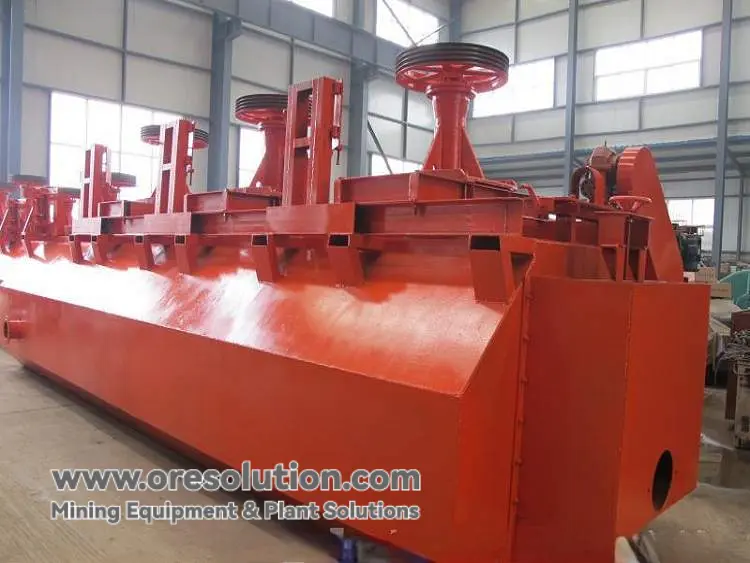
FlotationFlotation is primarily used to remove iron-bearing silicate minerals such as feldspar and mica. Amine collectors are used to float feldspar and mica under acidic or neutral conditions, leaving quartz at the bottom of the cell; quartz can also be floated using reverse flotation.The specific process route depends on the content and proportion of feldspar and mica in the ore. Flotation is effective for structural iron and iron in silicate minerals, but generally yields moderate results for free iron minerals. Flotation to separate quartz and feldspar must be conducted in acidic or neutral slurries, and equipment must be adequately protected against corrosion.
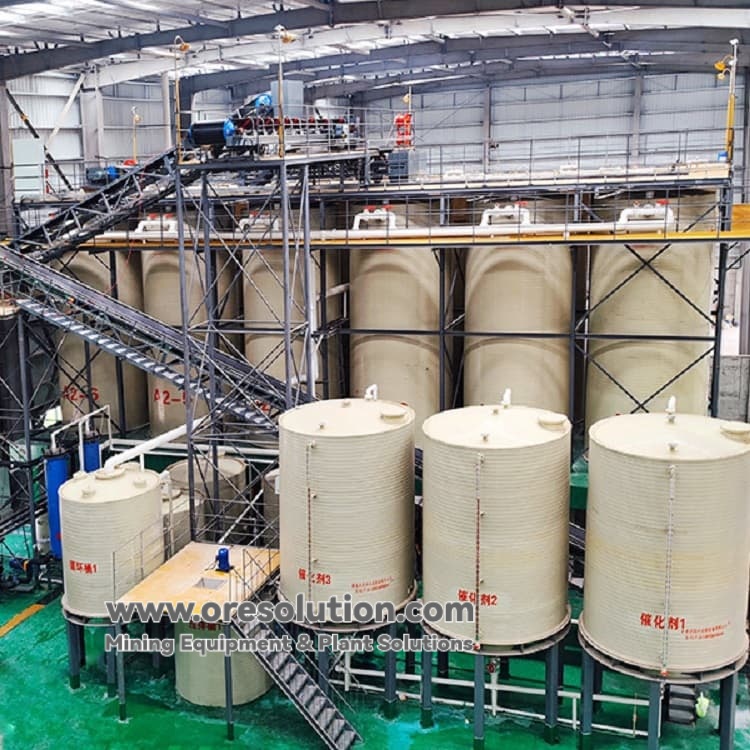
Acid LeachingAcid leaching is a method for deep iron removal. Hydrochloric acid, sulfuric acid, and oxalic acid are all used. Oxalic acid is effective against surface iron contamination, while hydrochloric acid is effective against iron bound in carbonate cements. The concentration, temperature, and duration of acid leaching are determined through testing. This step further reduces the iron content and is a critical stage in the purification of quartz sand for LCD glass.Photovoltaic and electronic-grade high-purity quartz sand have extremely stringent requirements for iron and aluminum impurities; acid washing must be employed, and strict requirements for equipment corrosion protection and environmental protection must be met.
Dehydration and DryingAfter acid washing, the material must be repeatedly rinsed until the pH reaches neutrality, followed by dehydration and drying. Drying temperature must be carefully controlled to prevent the introduction of new contaminants. During the dehydration process, attention should be paid to the reuse of rinse water to reduce water consumption.
Product Specifications and Compatibility with Downstream Furnaces
The degree of purification is not entirely determined by the processing plant itself. In addition to Fe₂O₃ content, LCD glass furnaces have requirements for quartz sand that include particle size distribution, moisture content, and refractory mineral content.
Regarding particle size distribution, particles that are too coarse melt slowly, while those that are too fine tend to become airborne and erode the kiln. Sand used for liquid crystal glass generally requires a relatively narrow particle size range, so the grinding and classification processes must be carefully controlled.
Regarding refractory minerals, minerals such as zircon and chromite have high melting points; if they do not melt completely in the furnace, they can cause defects. If the raw ore contains a relatively high proportion of such minerals, removal methods must be incorporated into the purification plan.
Regarding moisture content, there are specific requirements for both transportation and feedstock charging. The stability of the drying process directly affects the product\'s yield rate.
Therefore, when designing a purification plan for quartz sand used in LCD glass, one must not focus solely on the processing plant\'s metrics but must also incorporate downstream requirements. This is another aspect of the principle of “tailoring the plan to the raw ore”—it involves considering not only the raw ore but also the product\'s intended use.
Environmental Compliance: A Critical Hurdle for Acid Washing Projects
Acid leaching is a common method for purifying quartz sand for LCD glass, but the treatment of acid leaching waste liquid is an issue that must be resolved before the project can proceed.
There are several primary approaches to treating waste acid: neutralization and precipitation, recovery and reuse, or outsourcing to a qualified entity for treatment. Neutralization and precipitation are relatively low-cost, but they generate iron-containing sludge, and the disposal of this sludge must also comply with regulations.Recovery and reuse require strict control over acid purity and impurities, and involve relatively high investment. Outsourcing treatment is convenient but entails significant long-term operating costs.
Regarding environmental compliance procedures, acid washing projects typically involve environmental impact assessments, discharge permits, and other requirements. Specific requirements vary by region, so it is essential to thoroughly understand local policies during the project\'s early stages. While this is not a mineral processing technical issue, it directly impacts whether the project can be implemented and how high the operating costs will be.OreSolution possesses specialized expertise in the resource recovery of solid waste and tailings; the reduction and resource recovery of acid leaching sludge can be incorporated into the planning phase.
Common Pitfalls in Solution Design
Blindly Copying Industry Peers\' Grinding FinenessSince the grain size distribution varies across different ores, simply copying a competitor\'s grinding fineness will result in either insufficient liberation or over-grinding. Sieve analysis tests must be conducted to determine at which particle size the impurity minerals are liberated.
Unwarranted pursuit of high magnetic field strengthWhile a high magnetic field strength does improve capture efficiency, it also increases operating costs. Furthermore, excessively high field strengths can cause non-magnetic minerals to be carried along, thereby affecting concentrate grade. The magnetic field strength should be determined based on the magnetic susceptibility of the iron minerals in the ore.
Incorrect Acid Leaching SequenceWhether acid leaching is performed before or after magnetic separation makes a significant difference in results. Generally, magnetic separation should be performed first to remove most free iron minerals, followed by acid leaching to treat the remaining surface and fissure iron; this results in lower acid consumption and better results. However, for ores where surface iron predominates, it may be more appropriate to perform scrubbing and acid leaching first.
Neglecting the Impact of Recirculated Water on Iron ContentRecirculated water can become enriched with iron ions. If the recirculation rate is too high and no iron removal treatment is performed, iron will be reintroduced into the system. A balance must be struck between the recirculation rate and iron removal treatment.
How to Coordinate from Sample Submission to Solution Finalization
The design of a purification solution for quartz sand in LCD glass production relies heavily on raw ore data. OreSolution\'s service process begins with requirements discussion and continues through ore sample analysis, solution design, commercial quoting, equipment manufacturing, installation, and commissioning—all managed by a single dedicated team from start to finish.
Sampling must be representative. Taking a single bag of sample from one ore body versus taking samples from multiple ore bodies and blending them in proportion will yield different results. If the ore body varies, it is best to take samples by area and conduct tests separately.
Ensure sufficient sample quantities are provided. Process mineralogy analysis, beneficiation tests, and process validation all consume samples; specific quantities should be confirmed during initial discussions.
Please provide basic information. Details such as the origin of the raw ore, its general genesis type, previous beneficiation history, and target product specifications will aid in process design. Please also provide any historical data you have.
Regarding the testing timeline, it generally takes several weeks from sample receipt to the delivery of a preliminary proposal. The more complex the raw ore, the longer the process will take. The design of a purification process for quartz sand used in LCD glass cannot be rushed.
Frequently Asked Questions
There is no absolute threshold. Ore with low Fe₂O₃ content is relatively easy to purify; for ore with high content, it depends on the form in which the iron is present. If the ore consists mostly of free iron minerals, magnetic separation followed by acid leaching is feasible, though the cost will be higher. We recommend conducting beneficiation tests first before making a decision.
It depends on the final specifications. If magnetic separation combined with flotation can meet downstream requirements, acid leaching may not be necessary. However, for high-end LCD glass production lines with stricter iron content requirements, acid leaching is generally unavoidable. Environmental approval procedures must also be considered in advance.
The investment depends on the scale of the operation, the difficulty of processing the raw ore, and the product specifications. The investment for a small line processing dozens of metric tons per day is not comparable to that of a line processing hundreds of metric tons per day. Whether acid leaching is included—and how many stages are required—also significantly impacts the investment. We recommend finalizing the process flow first before discussing investment estimates.
It generally takes several weeks from sampling to finalizing the plan, including process mineralogical analysis, beneficiation tests, and process validation. The more complex the raw ore, the longer it takes.
OreSolution provides EPC turnkey projects covering everything from mineral processing tests, process design, equipment manufacturing, installation, and commissioning to personnel training.For this quartz sand purification line, we can provide a complete set of equipment, including scrubbers, strong magnetic separators, flotation cells, acid washing reactors, and dewatering and drying systems. The production line design for quartz sand purification for LCD glass will be tailored to your specific raw ore—and we mean that.
Final Thoughts
There is no one-size-fits-all solution for purifying quartz sand for LCD glass. The impurity content, occurrence state, and grain size distribution of the raw ore—these three variables determine everything. Conduct tests first, then finalize the plan; equipment selection should come later.A production line solution for purifying quartz sand for liquid crystal glass is only viable if it is tailored to your specific raw ore. For further information, please submit your ore data and product requirements, and we will provide targeted recommendations based on that information.