


Turnkey Heap Leaching Plant for Gold Mines: A Complete Guide for EPC Suppliers—From Mineral Sample Testing to Production and Compliance
Turnkey Heap Leaching Plant EPC Suppliers for Gold Mining: A Comprehensive Guide from Mineral Sample Testing to Production and Compliance
In the field of low-grade gold ore development, the heap leaching process has become a widely adopted method for gold extraction worldwide due to its relatively manageable investment, low operating costs, and suitability for large-scale processing. However, building a heap leaching plant is far from simply “piling up ore and spraying it with leach solution.”—from ore leachability tests, impermeable liner design, and the formulation of leachate spray regimens, to leachate collection, adsorption-desorption, and environmental compliance, a misstep at any stage can result in dismal recovery rates, environmental violations, or even project failure.This is precisely why an increasing number of mine owners are choosing turnkey heap leaching EPC contractors for their gold mining projects: to lock in full responsibility for the entire process—from pilot testing to commercial production—under a single contract, and to entrust the execution of this complex engineering project to a professional team.
This article will systematically outline the technical key points and common risks of gold heap leaching projects, as well as how to select a heap leaching EPC contractor that is truly accountable for the results, helping you avoid detours and unnecessary expenses in your mining investments.
I. What Is Gold Heap Leaching? Why Is It Suitable for Low-Grade Gold Ore?
Heap leaching is a hydrometallurgical process in which low-grade gold ore—either crushed or in its raw form—is piled on an impermeable liner. By spraying a sodium cyanide solution or other gold leaching agents, the gold in the ore is dissolved into a gold-bearing solution,and then recovering the gold through processes such as activated carbon adsorption, desorption electrolysis, or zinc powder displacement.
Compared to traditional flotation or cyanide in-leach (CIL/CIP) processes, the core advantages of heap leaching are:
1. Relatively low investment threshold: There is no need to construct large-scale grinding and classification systems or leaching agitation tanks, eliminating the need for significant capital expenditures on equipment such as ball mills and thickeners, thereby significantly reducing initial capital expenditures (CAPEX).
2. Controllable operating costs: The cost per metric ton of ore processed is low, making it particularly suitable for low-grade gold ores, oxidized ores, and secondary recovery projects from tailings with grades ranging from 0.5 to 2 g/t.
3. Suitable for large-scale processing: By expanding the heap area and height, large-scale continuous production can be achieved, offering high flexibility in processing capacity.
4. Short construction period: Compared to whole-ore cyanidation plants, heap leaching plants typically have a shorter construction period, enabling faster production start-up and cash flow recovery.
However, heap leaching also has clear limitations: the ore must possess a certain degree of permeability, and the gold minerals must be accessible to the leaching reagents; ore with excessively high clay content or severely encapsulated gold often requires pelletization or pretreatment.These determinations must be based on rigorous mineral processing tests—which is also the most fundamental distinction between professional EPC contractors and vendors who merely “sell equipment and leaching solutions.” 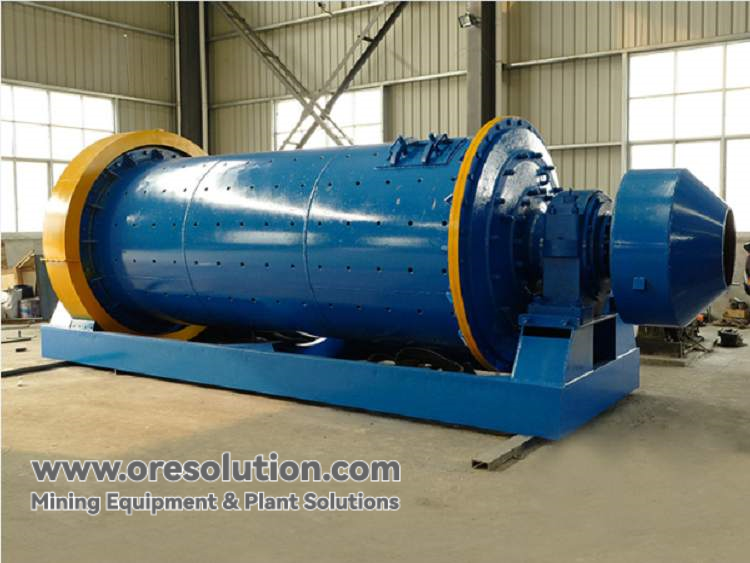
II. Complete Process Flow and Core Equipment Configuration for Gold Heap Leaching Plants
A complete turnkey gold heap leaching project typically includes the following core stages, each corresponding to key equipment and engineering control points:
1. Crushing and Agglomeration:
The raw ore is crushed to an appropriate particle size using jaw crushers, cone crushers, and other equipment (typically with a P50 between 12 and 25 mm, depending on test results).For ore with high clay content, a cylindrical agglomerator must be installed to agglomerate the ore using cement or lime, thereby improving the permeability of the heap and preventing “crusting” that could cause leachate short-circuiting.Core equipment includes jaw crushers, cone crushers, vibrating screens, drum agglomerators, belt conveyors, and more.
2. Heap Pad and Liner System
This is the most problem-prone and most frequently underestimated aspect of a heap leaching plant.The liner layer typically consists of HDPE geomembrane (1.5 mm or 2.0 mm), accompanied by a geotextile protective layer, a leak detection layer, drainage ditches, and a leachate collection pond. If the liner fails, it not only results in the loss of leachate but may also lead to groundwater contamination, posing extremely high environmental risks.
3. Irrigation and Leaching System: This
includes the irrigation pipeline network, drip irrigation devices, gold leaching reagent preparation tanks, and dosing pumps.The leaching regimen (leaching intensity, interval cycles, reagent concentration, and pH control) directly determines the leaching rate and reagent consumption and must be carefully designed based on test data and on-site climatic conditions.
4. Pregnant Solution Collection and Adsorption System:
After the pregnant solution is collected in a collection tank, gold is recovered via activated carbon adsorption columns (or carbon leaching tanks). Core equipment includes pregnant solution pumps, activated carbon adsorption columns, carbon separation screens, and carbon recovery pumps.
5. Desorption, Electrowinning, and Smelting System
Gold-laden carbon is processed by desorption and electrowinning equipment to produce gold slurry, which is then smelted in a gold smelter to produce refined gold.The desorption and electrowinning equipment provided by OreSolution achieves a desorption rate of over 96% and an electrowinning rate exceeding 99%.
6. Tail Solution Treatment & Environmental Control System: After
leaching, the tail solution must undergo neutralization and cyanide removal to meet regulatory standards before being recycled or discharged. Supporting environmental facilities include tailings ponds, neutralization tanks, and emergency retention basins. Environmental compliance is the lifeline for the long-term operation of a heap leaching project.
7. Automation Control and Monitoring Systems
: Modern heap leaching plants should be equipped with online monitoring and automated control systems for key parameters such as spray flow rate, pH, reagent concentration, and precious metal concentrate grade to ensure stable production and controllable performance indicators.
III. The Five Most Common Risks in Heap Leaching Projects and a Guide to Avoiding Pitfalls
Through extensive communication with mining clients, we have found that failures in heap leaching projects often stem from the following areas:
Risk 1: Proceeding with the Project Without Pilot Testing, Failing to Understand the “Character” of the Ore Many
investors simply copy others\' blueprints to build their plants, only to find that the ore has high clay content and poor permeability, preventing the spray solution from penetrating at all; or that the gold is encapsulated by sulfides, resulting in a cyanide leaching recovery rate of less than 30%.How to Avoid This Pitfall: Adhere to the principle of “test first, then build.” Conduct column leach tests to determine key parameters such as leaching efficiency, reagent consumption, and leaching cycle duration, and use these results as the basis for design. This is the primary value provided by professional EPC contractors.
Risk 2: Cutting corners on the impermeable system creates environmental hazards. Insufficient
HDPE membrane thickness, poor weld quality, and the absence of a leak detection system can lead to leakage of valuable leachate, contaminating groundwater. Consequences range from fines and production suspensions to project shutdowns.How to Avoid This Pitfall: Select an EPC team with comprehensive design capabilities and construction standards for the impermeable system, and clearly define material specifications and acceptance criteria.
Risk 3: Pieced-Together Equipment and System Incompatibility
: Purchasing a crusher from Manufacturer A, an adsorption column from Manufacturer B, and a desorption electrolyzer from Manufacturer C. While individual units from each manufacturer may meet specifications, when combined, they result in pipeline conflicts, mismatched production capacity, and exceptionally high energy consumption.How to Avoid This Pitfall: Select an EPC supplier with in-house manufacturing capabilities for core equipment to ensure that process design and hardware are tightly integrated, creating system-level synergy.
Risk 4: Blame-Shifting—When Problems Arise, Parties Pass
the Buck The design institute draws up plans, the equipment manufacturer sells machines, and the construction team builds the plant. Once performance targets are not met, multiple parties pass the buck, forcing the mine owner to act as the “referee,” resulting in indefinite delays to the project schedule.Solution: Opt for a turnkey EPC model, where a single team is accountable for the final outcome, ensuring a seamless chain of responsibility.
Risk 5: Slow After-Sales Service; Waiting Months for Spare Parts Especially
for overseas projects, once equipment breaks down, waiting for spare parts and experts from abroad often takes months, resulting in massive losses due to production downtime. How to Avoid This Pitfall: Choose a supplier with a global service network and a well-established spare parts supply system, and clearly specify response times and spare parts delivery lead times in the contract.
IV. Why Choose the EPC Turnkey Model? — Calculating the “Hidden Costs”
When making decisions, many mine owners weigh the following: “Wouldn\'t it be cheaper for me to purchase the equipment myself, hire a design firm, and find a construction team, rather than engaging an EPC general contractor?” On the surface, each individual quote may seem lower, but in reality, you are still shouldering several hidden costs:
-
Hidden management costs from coordinating multiple parties: Coordinating design, equipment, construction, and commissioning involves high communication costs and blurred lines of responsibility.
-
Rework costs resulting from incorrect equipment selection: When equipment doesn\'t match the process, it may be unusable or have insufficient production capacity, requiring rework and a restart.
-
Market losses due to project delays: Missing the optimal market conditions for production launch, while the cost of tied-up capital continues to accumulate.
-
High energy and chemical consumption in the long run: Cheap equipment comes with high OPEX; over the course of a few years, the extra costs could buy several new units.
When added together, these hidden costs often far exceed the price difference between equipment options.The EPC turnkey model, however, mitigates these hidden costs in advance through a closed-loop accountability system, precise equipment selection, system integration, and centralized management. As a turnkey EPC supplier for gold ore heap leaching plants, OreSolution integrates design, equipment manufacturing, and engineering services,resulting in a shorter supply chain and fewer intermediary markups. At the same time, we use ore sample data for precise equipment selection, ensuring you don\'t end up with unnecessary configurations—when you look at the big picture, choosing a professional EPC provider not only saves you money but also helps you make money.
V. OreSolution\'s Turnkey EPC Services for Gold Mine Heap Leaching: Comprehensive Delivery from Ore Samples to Production
OreSolution specializes in mining equipment and mineral processing solutions, with operations spanning five major sectors: metal ores, non-metal ores, precious metal ores, alluvial deposits, and tailings/solid waste. We operate three modern manufacturing bases (Ganzhou, Jiangxi; Shicheng, Jiangxi; and Weifang, Shandong),with products exported to more than 80 countries and regions worldwide. We have 20 years of experience in mining equipment manufacturing and solution integration. For gold heap leaching projects, we provide comprehensive EPC turnkey services:
Phase 1: Requirements Discussion and Project Consultation
—We assess the ore type, grade, processing capacity, site conditions, and target recovery rate to provide a preliminary feasibility assessment and propose a solution direction.
Phase 2: Ore Sample Analysis and Mineral Processing Tests
—We conduct chemical composition analysis and column leaching tests on representative ore samples to determine leaching rates, reagent consumption, and leaching cycles. We issue an authoritative “Mineral Processing Test Report” to establish the optimal process route and parameters. This serves as the scientific foundation for the entire project.
Phase 3: Customized Solution Design and Quotation
: Based on the test report, we complete the Process Flow Diagram (PFD), equipment configuration list, plant layout plan, 3D layout proposal, and civil engineering requirements drawings, and provide a transparent EPC (Engineering, Procurement, and Construction) budget.All core design work is completed by our in-house team, eliminating the need for you to engage a separate design firm—saving hundreds of thousands of dollars in design fees for medium- to large-scale projects.
Phase 4: Equipment Manufacturing and Procurement
Core equipment (crushers, pelletizers, adsorption columns, desorption and electrolysis equipment, gold smelting furnaces, slurry pumps, etc.) is manufactured strictly in accordance with drawings and standards, undergoing rigorous quality inspections prior to shipment; we coordinate the procurement of supporting auxiliary equipment and installation materials to ensure a smooth supply chain.
Phase 5: On-Site Construction, Installation, and Commissioning We
dispatch senior engineers to the site to supervise equipment installation, piping connections, and electrical layout; we complete individual unit commissioning and full-process integrated test runs, including water- and material-based commissioning, until the production line operates stably and meets the contractually agreed-upon performance metrics.Civil engineering work is organized and carried out by the client according to the drawings, with technical briefings provided by us; installation workers are sourced locally by the client, with engineers dispatched by us to provide guidance, resulting in lower labor costs and greater flexibility.
Phase 6: Personnel Training and After-Sales Support Provide systematic theoretical and hands-on training
for operators and maintenance teams (equipment start-up and shutdown, parameter adjustment, daily inspections, and troubleshooting); offer a 12-month warranty period, during which spare parts are replaced free of charge for equipment quality issues; provide lifetime technical support after the warranty period ends, charging only cost-based fees.
Estimated Timeline:From ore sample testing to final commissioning, the overall timeline is typically 8–12 months (ore processing testing: 30–45 days; engineering design: approximately 30 days; equipment manufacturing: approximately 60 days; logistics and transportation: approximately 60 days; installation and commissioning: 60–150 days). For overseas projects, we recommend allowing a buffer period for customs clearance and logistics.
VI. How to Choose a Reliable EPC Supplier for Gold Mine Heap Leaching? — Five Core Evaluation Criteria
Criterion 1: Do they possess genuine mineral processing test capabilities? A
reliable supplier will always adhere to the principle of “testing first, then design.” They will have their own laboratory and be able to provide column leaching test reports based on your ore samples, rather than simply applying someone else\'s drawings. Any supplier who dares to promise recovery rates without conducting tests is simply making empty promises.
Criterion 2: Do they have in-house manufacturing capabilities for core equipment?
Only a supplier that understands both the process and equipment manufacturing can ensure the process and hardware are perfectly integrated, avoiding system incompatibilities caused by “piecing together off-the-shelf machines.” OreSolution operates three major manufacturing bases and produces core equipment in-house, which guarantees system efficiency.
Criterion 3: Do they provide a closed-loop EPC accountability system?
A single team takes full responsibility for the final outcome, coordinating the entire process—from testing, design, and equipment supply to installation guidance, commissioning, and training—ensuring a seamless chain of accountability. This prevents finger-pointing among design institutes, equipment manufacturers, and construction crews.
Standard 4: Do they have experience with difficult ore processing and overseas projects?
Gold heap leaching often encounters challenging conditions such as high clay content, encapsulated gold, and arsenic- and carbon-containing ores, which require specialized process capabilities.Additionally, overseas projects require bilingual technical teams, international logistics expertise, and on-site support capabilities. OreSolution has exported equipment to over 80 countries and is familiar with logistics routes across Africa, Southeast Asia, South America, Central Asia, and the Middle East; engineers are available to travel to sites to provide guidance.
Criterion 5: Are after-sales response and spare parts supply guaranteed?
The contract should clearly specify the after-sales response mechanism, spare parts supply cycle, and warranty terms. Issues that can be resolved remotely should be addressed immediately; for those requiring on-site support, engineers should be dispatched to the site as soon as possible.
VII. Frequently Asked Questions (FAQ)
Q: My gold ore has a very low grade. Is heap leaching cost-effective?
A: Heap leaching is a process specifically designed for low-grade gold ores, but its cost-effectiveness must be determined through testing and economic evaluation. Grade, leaching recovery rate, reagent consumption, and processing scale collectively determine economic viability. We recommend first sending samples for column leaching tests to let the data speak for itself.
Q: How long does a heap leaching test take?
A: A standard column leaching test takes approximately 30 to 45 days, depending on the ore properties and leaching cycle. The sooner you submit samples, the sooner you\'ll have a buffer for subsequent design work.
Q: What recovery rate can you guarantee?
A: The recovery rate depends on the inherent characteristics of the ore (grade, grain size distribution, permeability, encapsulation, etc.).We do not promise figures based on unfounded assumptions. What we do promise is this: through rigorous mineral processing tests, we will design a process that achieves the highest possible recovery rate under the conditions of your ore, and we will strive for excellence in equipment selection and process control to ensure that actual production metrics closely match the test expectations.
Q: My mine is overseas. Can you provide on-site support?
A: Yes. We export equipment to over 80 countries and offer technical coordination in English or bilingual formats. Our expert engineers can travel to the site to guide installation, conduct commissioning with actual feed material, and provide staff training, ensuring project implementation across time zones and national borders.
Q: Are there fees for testing and design?
A: We charge a modest basic service fee; however, upon signing a subsequent equipment or EPC contract, the initial testing and design fees can be fully offset against the equipment cost. Testing services can also be purchased separately, with no obligation to enter into further cooperation.
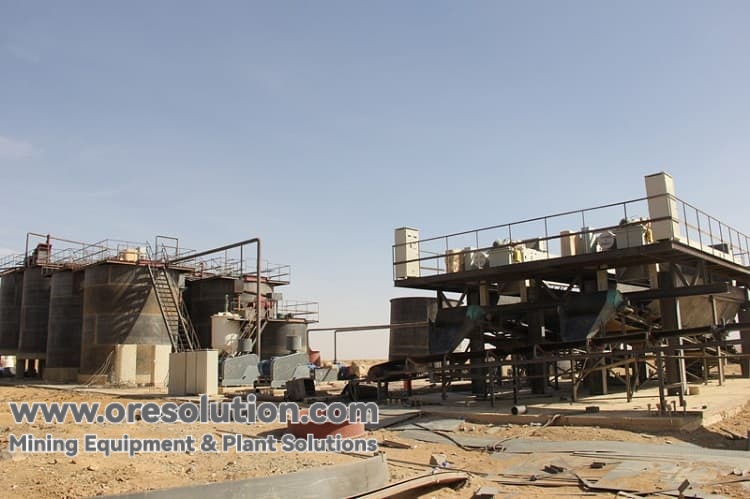
VIII. We Handle the Complexity; You Reap the Profits
Gold heap leaching is a systematic engineering project; the journey from a piece of ore to a stack of cash involves countless stages, including testing, design, equipment, construction, and commissioning.Choosing the wrong supplier could mean losing tens of millions in investment; choosing the right turnkey gold heap leaching and mineral processing EPC supplier, however, means upfront risk management, a closed-loop accountability system, and controllable returns on investment.
OreSolution\'s positioning is clear: we are neither a design firm that “only draws plans without ensuring implementation” nor a supplier that “only sells equipment without managing the process.” We provide full-cycle EPC turnkey services—from mineral processing testing, process design, equipment manufacturing, installation, and commissioning to personnel training—with a single team taking full responsibility for the final outcome.Conventional processes ensure the minimum, while proprietary technologies push the limits—whether it\'s conventional heap leaching of oxidized gold ore or difficult-to-process ores with high clay content, encapsulated gold, or arsenic and carbon, we have specialized solutions for every challenge.
Contact OreSolution and turn your gold mining project from “a pile of rocks” into “a stack of cash.”