


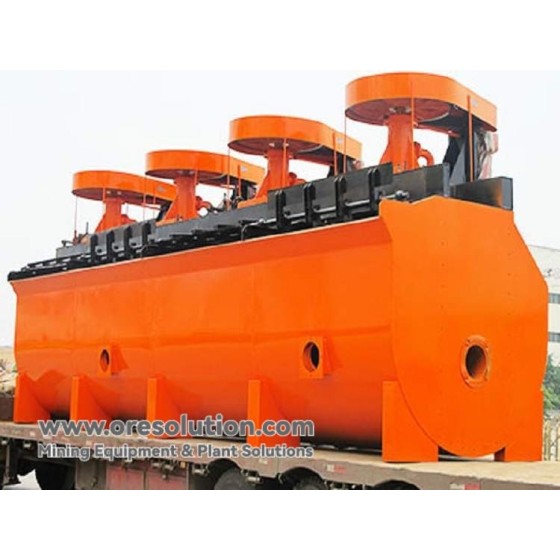
Turnkey Production Line for Acid Washing and Purification of Quartz Sand
Magnetic Separation—Acid Washing—Dehydration—Drying: Turnkey Production Line for Acid Washing and Purification of Quartz Sand
-
Magnetic Separation—Acid Washing—Dehydration—Drying: A Four-Stage Turnkey Production Line for Quartz Sand Acid Washing and Purification. This is a complete process chain customized according to the properties of the ore—not merely a collection of disparate equipment.
-
The core of a turnkey quartz sand acid washing and purification production line is not the delivery of equipment, but the achievement of performance targets—delivery is considered complete only after producing qualified products, from raw ore testing through to trial runs with actual feed material.
-
The configuration of a quartz sand acid washing and purification production line depends on the iron content in the raw ore, the intended use of the product, and environmental regulations; a trial run must be conducted before finalizing the plan.
-
Requirements for iron content and particle size vary significantly depending on the downstream application; therefore, the product\'s intended use must be determined first before discussing the process parameters of the quartz sand acid washing and purification production line.
-
This article focuses on the process logic, downstream applications, common issues, environmental constraints, and delivery timelines of quartz sand acid washing and purification production lines.
I. Overall Logic of Turnkey Quartz Sand Acid Washing and Purification Production Lines
Achieving high-purity levels in quartz sand purification is difficult to accomplish using a single method alone.Magnetic separation can remove strongly magnetic iron minerals, but it is ineffective against intergrown minerals, inclusions, and lattice-bound iron; acid washing can dissolve this portion of the iron, but acid consumption, waste liquid, and rinsing all contribute to costs; while dewatering and drying may seem like final steps, they actually directly impact the product\'s moisture content and dust control.
The logic behind this turnkey quartz sand acid washing and purification production line—magnetic separation, acid washing, dewatering, and drying—is segmented processing, with each stage performing a specific function: magnetic separation leads the process, first removing iron that can be physically separated;acid washing tackles the toughest challenges, handling the iron that magnetic separation cannot reach; dewatering removes the acid solution and iron ions; and drying reduces moisture content to a level acceptable for downstream processes.
If any one of these four stages is missing, the product will either fail to meet grade requirements, exceed moisture limits, or fail to comply with environmental regulations. A turnkey quartz sand acid leaching and purification production line cannot be simplistically viewed as merely “buying a few pieces of equipment and connecting them”—process sequence, parameter matching, and material balance all influence the final specifications.
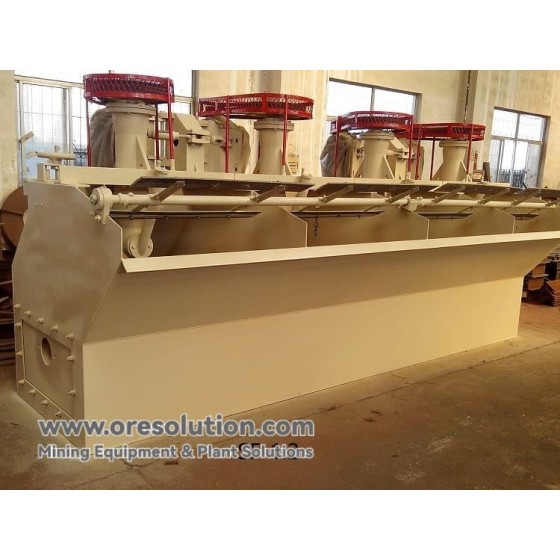
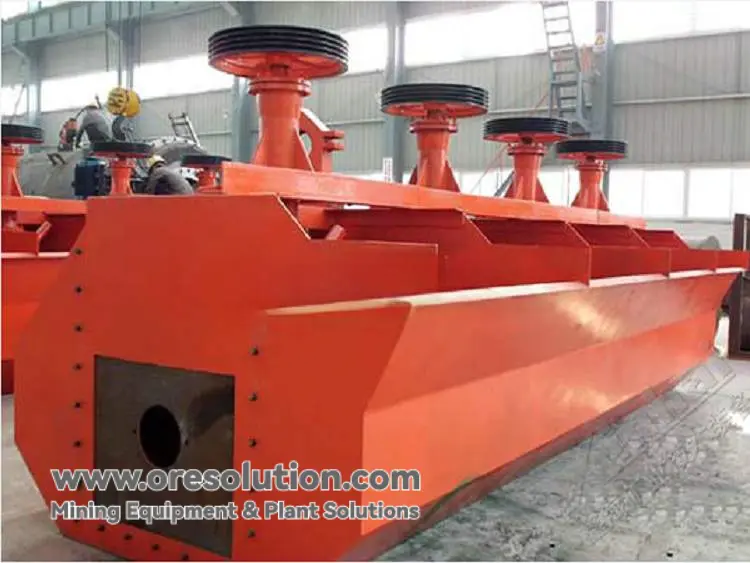
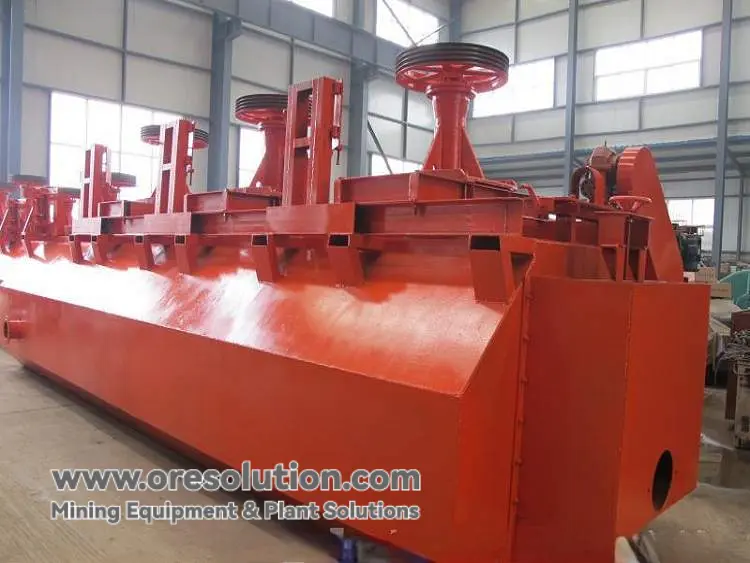
This logic also applies to the entire mineral processing system: quartz sand follows a combined route of scrubbing, magnetic separation, flotation, and acid leaching, with acid leaching serving as the final purification stage. For new lines, this logic determines how the system should be configured; for existing lines, it identifies which stage is causing the problem.The following sections will discuss both the design philosophy for new lines and the common bottlenecks and retrofit strategies for existing lines.
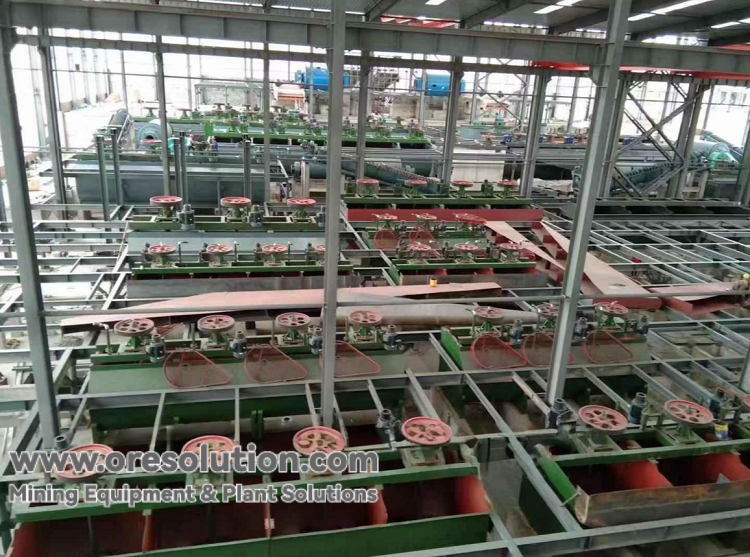
II. Magnetic Separation Section: The First Line of Defense in Reducing the Acid Washing Burden
Placing magnetic separation at the very beginning of the quartz sand acid washing and purification production line is based on a simple principle: iron that can be physically removed does not require the consumption of acid.
Iron in quartz sand can be broadly divided into three categories: free iron minerals (magnetite, hematite, etc.), intergrown minerals, and lattice-bound iron. Magnetic separation is most efficient for the first category, and high-gradient magnetic separators also perform well on hematite and limonite.A two-stage configuration—rough selection with tailings rejection followed by fine selection for purification—is common. The magnetic field strength is adjusted based on the properties of the ore; higher is not necessarily better—excessively high field strength can carry over quartz particles, affecting yield.
The goal of the magnetic separation stage is not to achieve a perfect result in a single step, but to reduce the burden on the subsequent acid leaching process. The more the iron content is reduced after magnetic separation, the lower the acid consumption and time costs of acid leaching will be. If the iron content remains too high after magnetic separation, it is either due to the complex nature of the ore itself or a mismatch between the selected magnetic separator model and the processing capacity.
There is a common misconception: a magnetic separator is not necessarily better the larger it is. If the feed rate exceeds a certain percentage of the rated processing capacity, recovery efficiency will drop significantly, and quartz will end up in the iron concentrate—effectively resulting in a waste of resources. For the magnetic separation section of this quartz sand acid leaching and purification production line, matching the processing capacity is more important than the size of the individual machine.
III. Acid Washing Section: The Core Component of the Quartz Sand Acid Washing and Purification Production Line
Acid washing is the core of a turnkey quartz sand acid washing and purification production line, and it is also the area where disagreements most frequently arise in turnkey projects.
Acid leaching is not simply a matter of “soaking it for a while”; it involves five variables: acid type, concentration, temperature, time, and solid-to-liquid ratio. Each variable affects the final grade and operating costs.
Regarding acid types, hydrochloric acid and sulfuric acid are the mainstream options. Hydrochloric acid dissolves iron quickly but is highly corrosive to equipment and requires stringent waste acid treatment; sulfuric acid is low-cost but dissolves iron slowly and is prone to forming calcium sulfate precipitates that can clog pipelines.Hydrofluoric acid can process crystalline iron, but its environmental compliance requirements are extremely stringent, so it is generally not recommended for routine projects. The specific choice depends on the form in which iron is present in the ore and local environmental regulations.
Temperature and reaction time are parameters that must be balanced. Increasing the temperature accelerates the reaction rate but also increases acid volatilization and energy consumption; extending the reaction time promotes a more complete reaction but reduces production capacity. Actual parameters should be determined through testing and should not be copied directly from industry peers.
The solid-to-liquid ratio must also not be overlooked. If the ratio is too low, the slurry becomes viscous and the reaction is uneven; if the ratio is too high, acid consumption increases and the volume of waste liquid requiring treatment rises.
Rinsing after acid leaching is a step that is often overlooked.If residual acid is not thoroughly rinsed away, the product is prone to yellowing after drying, and iron content levels may actually rise. Recycling rinse water not only reduces environmental impact but also minimizes fresh water consumption. In this quartz sand acid washing and purification production line, the design of the rinsing process often has a greater impact on long-term stable operation than the acid washing reactor itself.
In a typical quartz sand processing route, acid washing is not an isolated process. It follows the scrubbing and de-silting, magnetic separation for iron removal, and flotation for feldspar separation stages. The cleaner the preceding stages are, the lighter the burden on the acid washing section, and the more controllable the operating costs of the entire quartz sand acid washing and purification production line.
IV. Dehydration Section: The Interface Between Acid Recovery and Water Recycling
Quartz sand after acid washing has a high moisture content; this water is not ordinary water, but rather a residual liquid containing acid and iron ions.
The selection of dewatering equipment depends on the scale and processing requirements. Vacuum filters, plate-and-frame filter presses, and belt filter presses each have their own suitable applications.Plate-and-frame filter presses achieve low moisture content but operate intermittently; belt filter presses operate continuously but result in relatively higher moisture content. When making a selection, one must not focus solely on the moisture content figure but also consider the disposition of the filtrate.
Since the filtrate still contains acid and iron, direct discharge poses an environmental risk; recycling it back to the acid washing stage is the appropriate approach. Equipping the dewatering section with a buffer tank and returning the filtrate for acid preparation can reduce acid consumption and wastewater volume. The dewatering section of this quartz sand acid washing and purification production line essentially serves as the interface between acid recovery and water recycling.
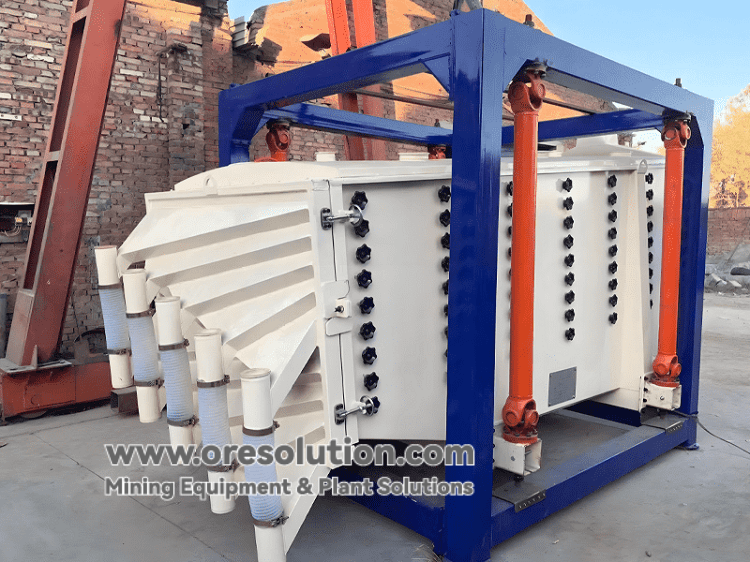
V. Drying Section: The Final Step in Ensuring Stable Product Delivery
Drying may seem simple, but in reality, it involves many details.
Rotary kilns or air-flow drying are commonly used for drying quartz sand. Rotary kilns are suitable for higher production volumes but have relatively low thermal efficiency; air-flow drying offers high thermal efficiency but requires uniform feed particle size. The choice between the two depends on production capacity, heat source conditions, and product particle size requirements.
Drying temperature must be carefully controlled.Quartz sand undergoes a phase transformation at high temperatures, and the resulting volume change may affect the particle size distribution. Although the drying temperature is typically well below the transformation temperature, localized overheating must still be avoided. The moisture content after drying is determined by the downstream application; lower is not necessarily better—excessively low moisture content increases dust generation, while excessively high moisture content promotes caking.
Treatment of drying exhaust gases is equally essential.Trace amounts of acid mist and dust remaining from the acid washing process must be treated using methods such as baghouse filtration or alkali spray to ensure emissions meet regulatory standards. In the drying section of this quartz sand acid washing and purification production line, the environmental protection configuration and choice of heat source often have a greater impact on the project\'s long-term operability than the dryer itself.
VI. Requirements for Quartz Sand Purification Specifications Based on Different Downstream Applications
When configuring a turnkey quartz sand acid washing and purification production line, the intended use of the product must first be clearly defined. Different downstream sectors have significantly varying requirements for iron content, particle size distribution, and moisture content, which in turn dictate different process parameters and acid washing intensities.
Quartz sand for photovoltaic glass has strict requirements for iron content and particle size uniformity.Quartz sand for electronic glass has even stricter iron content requirements and restrictions on the types of impurity elements. High-purity quartz sand used in semiconductors, optical communications, and other fields has the most stringent specifications, and the acid washing process often requires a multi-stage combination. Sand for precision casting places greater emphasis on particle size distribution and clay content, with a relatively wider tolerance for iron content.
| Downstream Applications | Key Specifications |
|---|---|
| Photovoltaic Glass | Iron content, particle size uniformity |
| Electronic Glass | Iron content, types of impurity elements |
| High-Purity Quartz Sand | Iron content, total impurities |
| Precision Casting | Particle Size Distribution, Clay Content |
The table provides only general guidelines; specific solutions must be based on raw material testing and product acceptance standards. The configuration of a turnkey acid-washing and purification production line for quartz sand cannot be evaluated in terms of quality without considering the intended use of the product.
VII. Common Issues and Modernization Directions for Existing Quartz Sand Acid Washing and Purification Production Lines
Many customers are not building new lines from scratch; rather, they are seeking to identify causes and implement upgrades because the performance metrics of their existing quartz sand acid washing and purification production lines are unstable.
Iron content rebounds after acid washing. This is mostly due to incomplete rinsing. Residual acid solution reacts with the quartz surface during drying, causing the measured iron content to actually increase. The recommended improvements include increasing the number of rinsing stages, raising the rinsing water temperature, and optimizing solid-liquid separation.
The product turns yellow after drying. This also points to rinsing issues but may also be related to locally excessive drying temperatures. The troubleshooting sequence is to first check the rinsing process, then examine the heat source and the internal structure of the dryer.
Excessive particle size loss. Acid leaching itself does not involve grinding; particle size loss primarily originates from the grinding, rinsing, and dewatering stages. Improvement measures include optimizing grinding and classification, adjusting dewatering equipment parameters, and reducing the carryover of fine particles.
Excessive acid consumption. This may be due to poor performance in the magnetic separation section, resulting in an excessive acid leaching load; it may also be caused by unreasonable acid leaching parameters leading to incomplete reactions. It is recommended to first review the magnetic separation section\'s performance indicators, then adjust the acid leaching parameters.
Significant pressure regarding waste liquid treatment. This is related to the choice of acid type, rinse water volume, and recycling rate. The focus of the retrofit should be on optimizing the acid type, increasing the proportion of filtrate reuse, and improving the neutralization and precipitation processes.
The core approach to retrofitting the existing quartz sand acid washing and purification production line is to identify the specific bottlenecks rather than completely overhauling the entire line. The sequence of first taking samples for analysis and then conducting a technical and economic assessment also applies to the retrofitting of older quartz sand production lines—first determine where the problem lies, then decide which section to modify.
VIII. Environmental Requirements: Hard Constraints for Quartz Sand Acid Washing and Purification Production Lines
The acid washing process involves waste acid, wastewater, and exhaust gases. Environmental protection is a hard constraint for turnkey quartz sand acid washing and purification production lines—it is not an optional consideration.
Waste acid treatment typically involves neutralization and precipitation: after neutralization with lime, iron ions precipitate and are filtered under pressure to form a sludge cake. The disposal of the sludge cake must be determined in accordance with local environmental regulations. The more complex the acid composition, the higher the cost of treating the waste liquid.Regarding wastewater, recycling rinse water is an effective means of reducing discharge volumes. For exhaust gases, acid mist and dust must be treated through dust removal and spray washing to ensure emissions meet regulatory standards.
Environmental permitting procedures should be considered concurrently during the design phase. Obtaining permits after equipment installation often necessitates modifying pipelines or adding equipment, resulting in higher costs. The environmental protection configuration of a quartz sand acid washing and purification production line directly impacts the project\'s ability to operate stably over the long term.
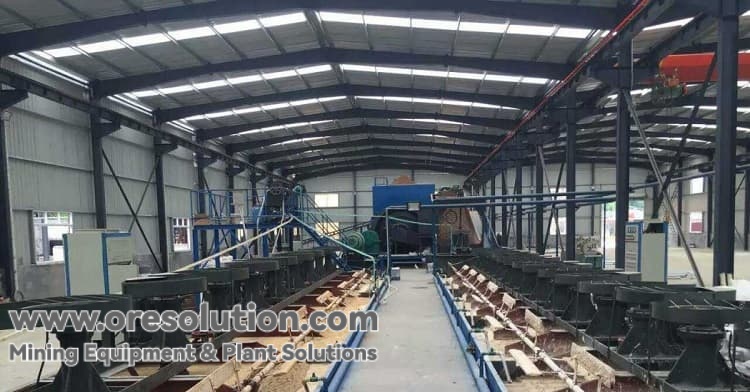
IX. Turnkey Delivery: Complete Standards for Quartz Sand Acid Washing and Purification Production Lines
A true turnkey quartz sand acid washing and purification production line should include at least four key stages.
Trial runs with actual feedstock. Conduct successful trials using raw ore in a laboratory or pilot plant, generate a report, and specify the acid type, acid consumption, temperature, duration, and final specifications. Without a test report, there is no basis for equipment selection. The representativeness of the ore sample directly determines the quality of subsequent design; the sooner the sample is submitted, the better.
Process Package Design. This involves more than just equipment layout drawings; it also includes material balance, water balance, and acid balance calculations. If these three balances are not clearly established, repeated pipeline modifications are likely during the commissioning phase. The design phase can proceed concurrently with equipment manufacturing to reduce the overall project duration.
Trial Run with Actual Feed. Only after equipment installation is complete and the line has been successfully run with actual ore to produce qualified products can the project be considered delivered. An empty-run trial cannot substitute for a trial run with actual feed.
Operator Training. The acid leaching line requires manual parameter adjustments; without adequate training, operational performance will be compromised even if the equipment is properly configured.
From a full project lifecycle perspective, mineral processing testing, engineering design, equipment manufacturing, logistics and transportation, and installation and commissioning are all interlinked. It is recommended to allow for flexibility in the schedule to account for handoffs between phases and uncontrollable factors.A turnkey quartz sand acid washing and purification production line involves acid washing and environmental protection configurations; the installation and commissioning phase often requires ample time for on-site coordination. If any of the above steps is missing, the turnkey delivery is considered incomplete.The delivery standards for a quartz sand acid washing and purification production line ultimately hinge on product specifications and operational stability.
X. Selection Criteria: Assess the Ore First, Then the Line
When selecting a turnkey quartz sand acid washing and purification production line, the core criterion is the nature of the raw ore, not the equipment price.
If the raw ore has low iron content and a simple iron phase distribution, a combination of scrubbing, magnetic separation, and flotation may be sufficient; however, if the proportion of lattice iron is high and the product must meet photovoltaic or electronic-grade standards, an acid leaching stage is mandatory, and acid consumption and environmental protection costs must be evaluated. Daily processing capacity, product application, and local environmental regulations also influence the configuration plan.
It is recommended to conduct pilot testing before finalizing a proposal. The test report can answer three key questions: whether the target grade can be achieved; whether acid consumption and time costs are acceptable; and whether waste liquid treatment is feasible. Only when these three issues are clarified can a well-founded configuration for the quartz sand acid leaching and purification production line be established.
Here is a generally accepted industry principle: grade and recovery rate indicators are determined by the properties of the ore itself. The standard practice is to commit only to “actual indicators achievable based on this trial, under the same ore source and operating conditions.” Discussing absolute figures without reference to trial results is irresponsible to both parties.
XI. Model Selection and Environmental Q&A
How is acid leaching waste liquid treated?
Neutralization and precipitation are common methods. After neutralization with lime, iron ions precipitate and are filtered under pressure to form a sludge cake. The disposal of the sludge cake must be determined in accordance with local environmental regulations. The more complex the acid composition, the higher the cost of waste liquid treatment.
Can this line process granite-type ore?
Yes, but the effectiveness of the magnetic separation stage may be limited. The iron in granite primarily exists as lattice iron within mica and feldspar, which places a heavier burden on the acid leaching process. We recommend conducting a trial first to assess whether the acid consumption is acceptable.
Will acid leaching affect the particle size of quartz sand?
Acid leaching itself does not involve grinding, so the particle size remains essentially unchanged. However, grinding prior to acid leaching, as well as rinsing and dewatering after acid leaching, may result in a small loss of fine particles; the specific proportion varies depending on the process.
Can this line operate continuously?
Magnetic separation, dewatering, and drying can operate continuously. If the acid leaching process uses a soaking method, it is a batch operation; if a dynamic acid leaching reactor is used, continuous operation is possible, but it requires higher capital investment and more stringent operational requirements.
What aspects are generally reviewed during environmental acceptance inspections?
Typically, these include operational records for waste acid treatment facilities, wastewater discharge parameters, exhaust gas emission parameters, noise control, and the disposal of solid waste. Specific requirements are subject to the local environmental protection authorities.
XII. About Us
We specialize in the process design and equipment configuration for turnkey quartz sand acid washing and purification production lines. We provide services such as raw ore testing, process package design, equipment selection, trial runs with actual feedstock, and operator training.The process flow of the quartz sand acid washing and purification production line covers all stages—scrubbing, magnetic separation, flotation, acid washing, dewatering, and drying—and can be tailored based on the properties of the raw ore and the intended use of the final product.
If you are evaluating a quartz sand purification project, or if the performance of your existing quartz sand acid washing and purification production line is inconsistent, you can start with raw ore testing to use the data to determine whether this approach is suitable for your mine.