


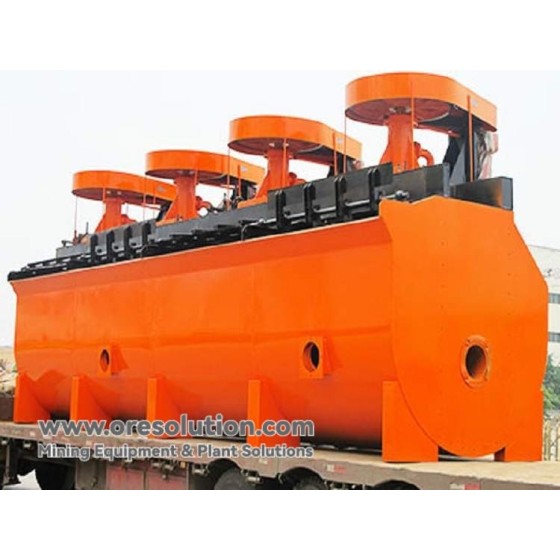
Cambodia Gold Extraction Plant—Professional Gold Extraction Equipment and Process Solutions
First, let\'s cover three key points: rock gold and placer gold are two completely different processing methods and should not be discussed interchangeably; the processing plan must be designed with the following factors in mind: “high clay content, fine grain size, and strict environmental regulations.”
First, understand these points: Where are the challenges?
Common local gold deposits fall into two categories: rock gold deposits—including quartz vein, altered rock, and sulfide types—where gold typically exists in free or encapsulated forms; and placer gold deposits—from river alluvial deposits and ancient riverbed sediments—where the gold has already been liberated into individual particles, eliminating the need for crushing and grinding.The gold extraction process plans for these two types of ores diverge right from the very first piece of gold extraction equipment.
A high clay content in the ore is a common issue. The water becomes turbid after the first wash, and the proportion of fine-grained gold is significant, making it difficult to achieve complete recovery through gravity separation alone. Furthermore, regulations on the use of cyanide and tailings disposal are tightening, and environmental approval is an unavoidable hurdle.
I once met with the management team at a mine in northeastern Cambodia. After the equipment was delivered and installed on-site, the classifier became clogged as soon as it was started up, with the ore and mud forming a sticky mass. The reason was that no tests had been conducted on the raw ore\'s粘性, and they had simply copied the parameters used for quartz vein-type ores in China.Only after adding a ore washing stage and replacing the screen with a high-frequency model did the processing capacity stabilize. Therefore, the first step is not to select equipment, but to thoroughly understand the ore before deciding on a processing route.
Even for the same processing line, the configuration logic differs significantly between a daily output of several dozen metric tons and one of several hundred metric tons.Small-scale placer gold mines can start with a mobile washing and beneficiation unit, using chutes and jigs to first recover coarse-grained gold; as the scale of rock gold mines increases, the requirements for continuity and stability in grinding, leaching, and tailings management are entirely different—equipment capacity, buffer bins, and recirculation systems all need to be recalculated.First, identify which category and scale your mine falls into; only then should you review the equipment list to ensure a proper match. The Cambodia Gold Extraction Plant—Professional Gold Extraction Equipment and Process Solutions—is all about matching the right equipment to the specific ore type and scale, rather than applying a one-size-fits-all configuration to every mine.
I. Ore Properties Come First—Mineral Processing Tests Are Essential
Procedure: Collect representative ore samples and conduct particle size analysis, clay content determination, and identification of gold occurrence states. For rock-type gold ores, also examine the grain size of gold inclusions and associated minerals. Take stratified samples from different ore zones and depths, mix them thoroughly, and then send them for testing. Sampling points must cover both the initial mining area and subsequent replacement areas.
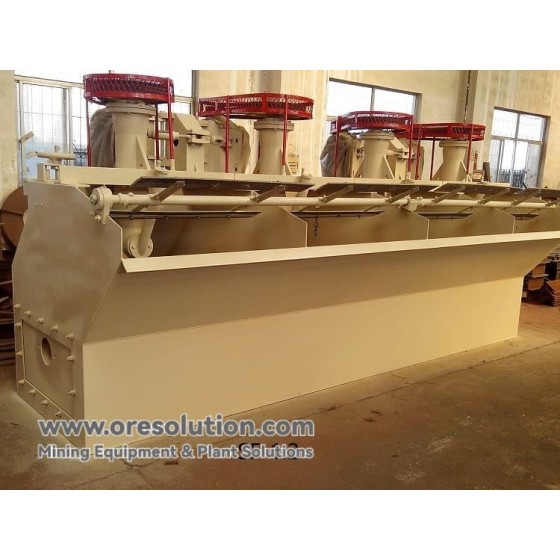
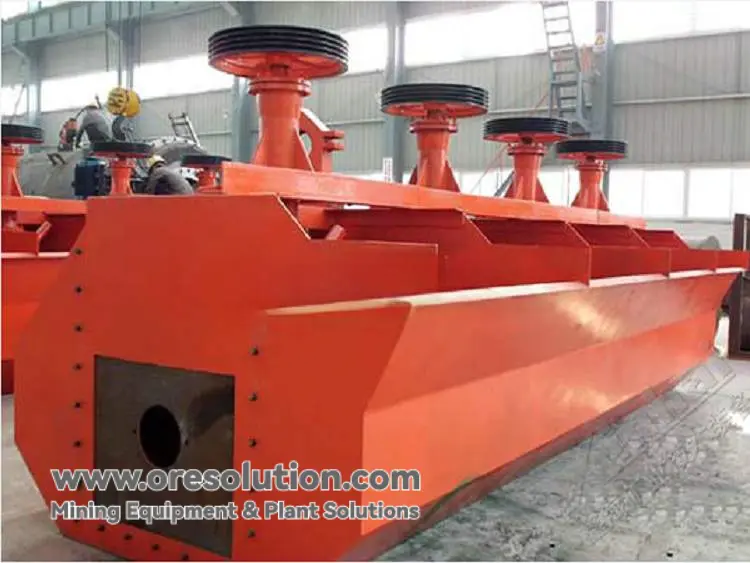
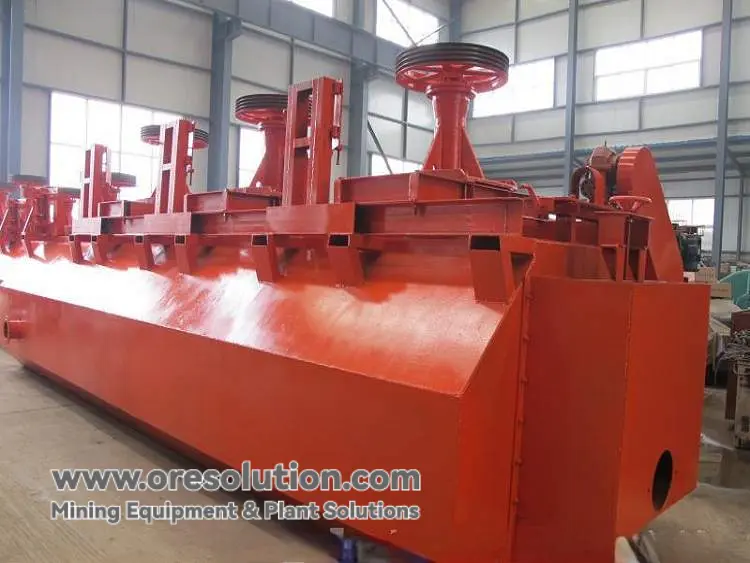
Why It\'s Important: In gold-bearing rocks, coarse-grained free gold is suitable for early recovery via gravity separation; gold enclosed in sulfide ores requires flotation; and only fine-grained oxidized ores are processed via whole-ore cyanidation (CIL/CIP). For placer gold deposits, the gravity separation route is generally the preferred choice, with centrifugal scavenging added when fine-grained gold is abundant.The mineral processing test report is the sole basis for determining the processing route and selecting gold extraction equipment; without it, everything that follows is mere guesswork.
Common Mistakes: Selecting only ore samples that look favorable—with high grades that plummet once production begins. Insufficient sample representativeness is the most common hidden cost in the early stages. Another scenario involves directly copying a competitor\'s process; while laboratory indicators look promising, the reality is completely different after plant construction—this is a classic case of a disconnect between testing and engineering.
II. Crushing and Screening: Separate Processes for Rock Gold and Alluvial Gold
Operations (Rock Gold): For small- to medium-scale operations, a two-stage closed-circuit system consisting of a jaw crusher followed by a cone crusher is commonly used, paired with a double-deck circular vibrating screen. Screen mesh size is determined based on the liberation particle size, typically controlled at 10–15 mm for mill feed, though specific values should be confirmed through testing.
Why It Matters (Rock Gold Deposits): If the crushing size is too coarse, the mill\'s load increases and liner wear accelerates; if it\'s too fine, sludging intensifies, which actually hinders leaching.
Common Mistakes (Rock Gold Ore): To save on a screen, an open-circuit crushing system is used, resulting in the mill being filled with excessively coarse particles. Screen mesh material must also be selected based on the粘性 of local ore slurry; otherwise, screen clogging will increase significantly.
Operations (Placer Gold): Bypass crushing and grinding; directly screen and classify the ore using a trommel screen, with the undersize fed to gravity separation. When the mud content is high, add a pre-washing step first; select the trommel screen aperture size based on the liberation of gold particles.
Why It Matters (Placer Gold Deposits): The key to placer gold processing lies in washing to remove silt. If the silt content is high and the ore isn\'t washed thoroughly, both the subsequent sluice box and jig operations will be adversely affected.
Common Mistakes (Placer Gold Deposits): The ore washing step is often overlooked, and drum screen mesh sizes are selected incorrectly, causing sticky mud to carry away gold particles. For mobile units, site access roads and power supply conditions must be considered; do not wait until the equipment arrives to discover it cannot access the site.
III. Gravity Separation Configurations: Different Approaches for Rock Gold and Alluvial Gold
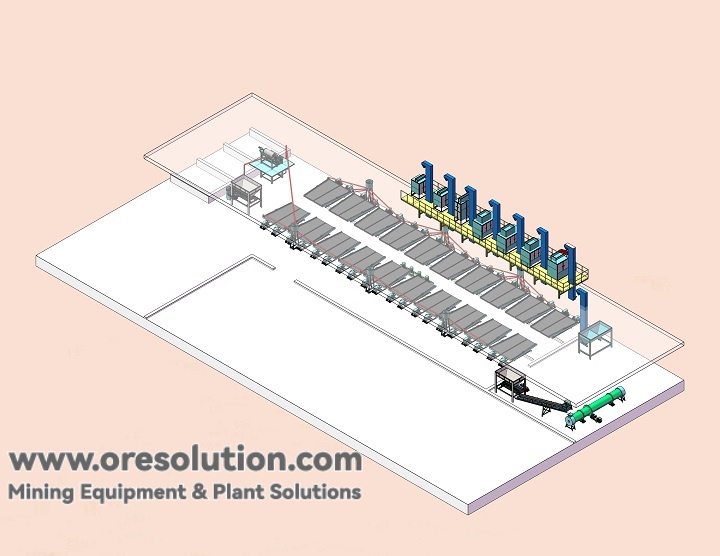
Operations (Rock Gold Deposits): In the roughing stage, use a centrifugal separator to recover coarse, free-standing gold; then, perform fine selection of the concentrate on a shaking table. Adjust the shaking table\'s slope according to the local ore particle size—use a gentler slope for finer-grained ore to ensure the concentrate zone can be clearly defined.
Why It Matters (Rock Gold Deposits): When coarse-grained gold constitutes a significant proportion of a rock gold deposit, gravity separation can recover a portion of it early on, reducing the leaching load and facilitating faster cash flow. Gravity separation for gold recovery primarily relies on two types of equipment: centrifuges and shaking tables.
Common Mistakes (Rock Gold Deposits): Irregular feed concentrations and excessively high backwash flow rates cause fine-grained gold to be washed away. Blindly applying domestic parameters for shaking table inclines is also inadvisable; when local ore particles are relatively fine, parameters must be adjusted to match the ore characteristics.
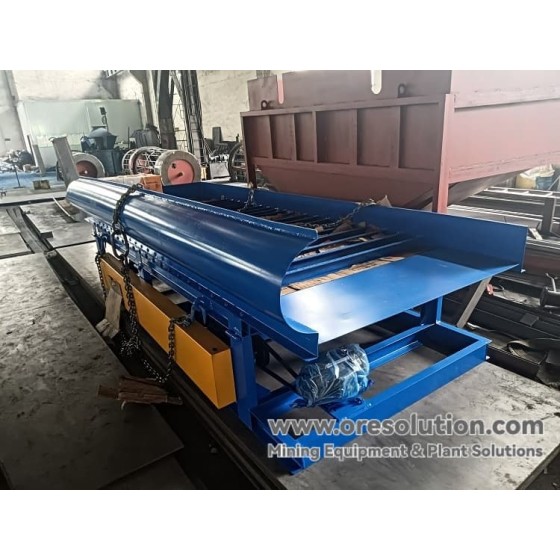
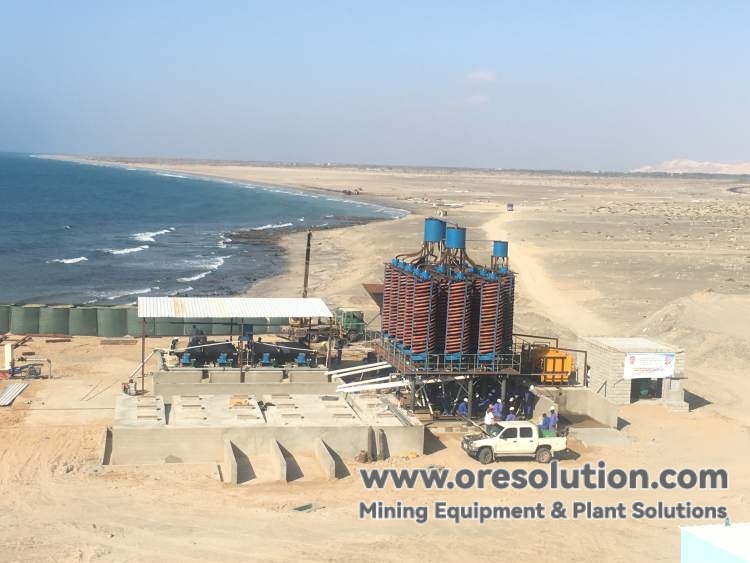
Operations (Alluvial Gold Deposits): The standard configuration consists of a sluice box, a jig, and a shaking table. The sluice box gradient should be adjusted according to the local ore particle size; when the ore is finer-grained, the gradient should be gentler. When fine-grained gold is abundant, add a centrifugal separator for scavenging; mobile processing units can be used for dispersed ore sites.
Why It Matters (Placer Gold Deposits): Gravity separation is the only method for processing placer gold deposits, and fine-grained gold can only be captured using a centrifuge. Proper configuration of the gravity separation stage significantly improves the overall recovery efficiency of the entire processing line.
Common Mistakes (Placer Gold Deposits): Blindly applying domestic parameters for chute gradients—when local ore particles are finer, parameters must be adjusted to match the ore characteristics. Inadequate foundation anchoring and power supply for mobile units, causing them to shake as soon as they are started.
IV. Leaching Process—Applicable Only to Rock Gold Deposits
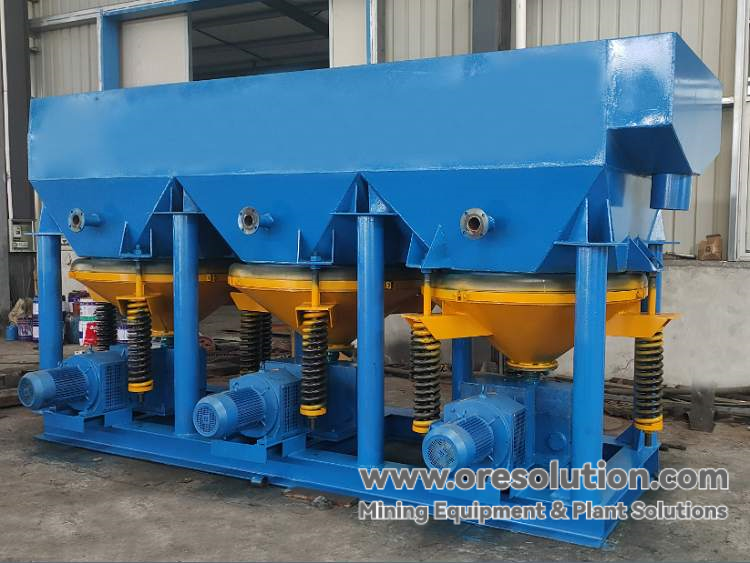
Operation: For rock gold ores with fine-grained disseminations and high oxidation levels, prioritize the carbon-in-pulp (CIP/CIL) method; leaching concentration, pH, and sodium cyanide concentration should all be determined based on test results.For difficult-to-process ores containing arsenic, carbon, or copper, pretreatment tests must be conducted before determining the leaching process. Alluvial gold ore does not enter the leaching stage.
Why It Matters: Due to the long rainy season, heap leaching sites face risks of erosion and seepage, creating significant environmental compliance pressures.The carbon-in-pulp process operates in a closed-loop system within the plant, making tailings easy to treat and relatively low-maintenance compared to heap leaching. Specific approval requirements are subject to the guidelines of local regulatory authorities. The choice of leaching process for gold extraction plants in Cambodia often directly determines whether a project can successfully pass environmental regulatory scrutiny.
Common mistakes: In the carbon-in-pulp process, insufficient agitation in the leaching tanks causes the slurry to settle at the bottom, accelerating activated carbon wear; adding activated carbon too late results in insufficient leaching time, preventing the tailings grade from being reduced.An even more challenging issue arises when arsenic- and carbon-bearing ores are blindly processed using conventional cyanidation flowsheets; once gold stripping occurs, recovery rates plummet.
V. Tailings Disposal: Plan Ahead
Procedure: Tailings are first thickened; the underflow is filter-pressed and dry-stacked, while the filtrate is recycled back into the process. The dosage of flocculant is determined through pilot testing, and the filter press processing capacity is designed with a margin of excess capacity. The layout of the dry-stacking site and transportation routes should ideally be considered during the master planning phase.
Why It Matters: Local regulations on tailings dams are becoming stricter, making it increasingly difficult to obtain approval for wet-discharge plans. While the initial investment for dry stacking is higher, operating costs and the pressure to reclaim the land afterward are relatively manageable. Choosing the dry-stacking approach correctly will save a great deal of trouble during subsequent environmental reviews.
Common Mistakes: Thickener capacity is undersized, resulting in turbid overflow that renders the return water unusable; filter press capacity is not accurately calculated for tailings volume during the rainy season, leading to excessively high filter cake moisture content and subsequent transportation bottlenecks. It is recommended to finalize the tailings management plan before ordering equipment; do not wait until the equipment arrives on-site to make changes.
Site conditions also directly affect the feasibility of dry tailings storage.If there is available dry-stacking space near the mine and the transportation radius is short, implementing the dry-stacking plan will go smoothly; however, if space is limited and roads become muddy during the rainy season, transportation costs for post-filter press tailings will rise significantly. In such cases, transportation costs must be calculated in advance—rather than waiting until after equipment is ordered to discover there is nowhere to store the tailings.Dry tailings stacking is not a one-size-fits-all approach; as site conditions and scale change, the plan must be adjusted accordingly.
VI. Equipment Selection Documentation and EPC Delivery
Procedure: Before equipment selection, prepare the following four sets of documentation: ore sample processing test reports, ore type and production capacity ranges, site conditions, and confirmation materials regarding local environmental protection requirements. Only with these four items in place can discussions regarding the process flow and gold extraction equipment configuration begin.
Why It Matters: Discussing equipment configuration without complete documentation is equivalent to applying parameters from another mine to your own; any quote obtained this way will be unusable. If testing, design, equipment manufacturing, and installation/commissioning are outsourced to different vendors, a failure to meet performance standards can easily lead to finger-pointing among multiple parties—this is where the chain of responsibility breaks down.
Common Mistakes: Some clients rush to request a quote based solely on “daily output of X metric tons,” while omitting information on ore type, ore samples, site conditions, and environmental regulations. Another common issue is when the client fails to assign personnel to oversee commissioning; as a result, operators are unable to take over after equipment handover, and operating parameters quickly deviate from specifications.
Operations (EPC Delivery): The delivery phase is organized into three steps: batch-by-batch shipment, concurrent foundation construction, and on-site training during installation and commissioning. A single team coordinates testing, design, manufacturing, installation, and commissioning.
Why It Matters (EPC Delivery): The EPC turnkey model assigns a single team responsibility for the final outcome. The project timeline and responsibilities are clearly defined, so there is no need for finger-pointing if performance targets are not met.
Common Mistakes (EPC Delivery): When design and equipment manufacturing are outsourced to different vendors, drawings and individual unit parameters become misaligned, leading to piping conflicts and capacity mismatches that are only discovered on-site.
Tips for Avoiding Pitfalls: Three Common Stumbling Blocks
First, applying the same process to both rock gold and placer gold. Placer gold deposits do not require crushing, grinding, or leaching; forcing these steps is a waste of money. Rock gold deposits require only gravity separation, but fine-grained, encapsulated gold cannot be recovered this way. Clearly distinguish between ore types before determining how to configure the gold extraction equipment.
Second, retroactively preparing environmental documentation. Environmental impact assessments require a clear explanation of the closed-loop systems for leaching, tailings, and recirculated water. If documentation is completed only after equipment arrives on-site, the resulting construction delays are difficult to estimate. It\'s well worth having someone familiar with local regulations review the plan early on.
Third, neglecting operator training. In processes involving centrifuges and leaching tanks, problems will arise if parameters aren\'t closely monitored. No matter how good the equipment is, performance metrics won\'t remain stable without a reliable team of operators.
Quick Checklist
- □
Ore type confirmed (rock gold or placer gold); ore sample analysis and beneficiation tests completed
- □
Sampling covers the initial mining area and the follow-up mining area
- □
Scale tier confirmed; equipment capacity calculated according to the tier
- □
Screening is integrated into the crushing stage for rock gold ore; non-open-circuit process
- □
The ore washing and desliming stages for placer gold have been calculated separately
- □
Monitoring methods are in place for the feed concentration of the rock gold ore centrifuge
- □
The slope of the shaking tables for the rock gold ore has been adjusted according to the local particle size distribution
- □
The chute slope for the placer gold ore has been adjusted according to the local ore particle size
- □
Preliminary treatment tests have been conducted on difficult-to-process ores to determine the leaching process
- □
A margin has been built into the tailings filter press processing capacity
- □
The tailings dry-stacking site and transportation routes have been verified
- □
The environmental impact assessment plan provides a comprehensive, closed-loop description
- □
A training plan for operators has been arranged
Key Conclusions
To summarize the gold extraction plant project in Cambodia: thoroughly understand the ore; separate rock gold and placer gold into distinct processing lines; pre-treat the slurry; prioritize coarse-grain recovery through gravity separation; ensure recovery rates through carbon-in-pulp (CIP) processing; and ensure compliance through dry tailings storage.From pilot testing to commissioning, these phases actually follow a single timeline: parameter setting in the early stages, maximizing recovery in the middle stages, and ensuring compliance in the later stages—each step must be tightly integrated with the next.Equipment is the skeleton; process parameters are the flesh and blood. Expensive equipment does not guarantee smooth operation; if the parameters are not optimized, even the best individual machines cannot perform to their full potential. The approach behind this gold extraction process must be fine-tuned based on ore samples for each specific mining site—there is no one-size-fits-all configuration.
Our Services: Focusing on gold extraction plants in Cambodia—we provide professional gold extraction equipment and process solutions, including mineral processing trials, process design, turnkey manufacturing of gold extraction equipment, on-site installation, commissioning, and operator training, offering comprehensive EPC support from testing through delivery.Gravity separation, flotation, and CIL/CIP for lode gold deposits, as well as gravity separation and mobile processing units for placer gold deposits, are all customized based on ore samples.
Inquiries and Partnerships: If you are currently advancing a related project, please submit the properties of your ore, the type of ore, and your production capacity requirements to us. We will provide recommendations on process routes and equipment configurations based on this information.