


How to Configure Equipment for a Production Line to Purify High-Purity Silica Sand from Seawater Sand
Key Conclusions
-
When configuring equipment for a high-purity silica sand production line using purified sea sand, the core logic is to work backward from the state of impurity distribution to determine the process sequence, rather than simply replicating the approach used for hard rock quartz mines
-
Washing, magnetic separation, flotation (or gravity separation), and acid leaching are the primary processes, while calcination is a conditional step
-
The configuration of equipment for a production line to purify high-purity silica sand from sea sand ultimately depends on two variables: the characteristics of the impurities in the raw ore and the target product purity
There is no standard answer to the question of how to configure equipment for a production line to purify high-purity silica sand from sea sand, but there is a clear logical framework for determining the configuration.
Veined quartz requires crushing and grinding to liberate the quartz from the gangue. Seasand itself consists of natural sand grains formed by long-term seawater erosion; it has a uniform particle size and typically a high base SiO₂ grade.Its impurities are not embedded deep within the crystal lattice but are concentrated on the particle surfaces and in associated minerals—such as surface iron films, clay-like deposits, feldspar and mica fragments, shell-derived calcium carbonate, as well as heavy minerals like ilmenite and zircon.
This distinction determines the design philosophy for a production line dedicated to purifying high-purity silica sand from sea sand: the focus is not on grinding and liberation, but on surface cleaning and mineral separation. When configuring equipment for such a production line, one must work backward from the question of “which impurities to remove,” rather than simply copying the equipment used by others.
I. Scrubbing: The First Process That Determines the Load on the Entire Line
When configuring equipment for a high-purity silica sand production line using purified seawater sand, the choice of the first process sets the tone for the entire line.
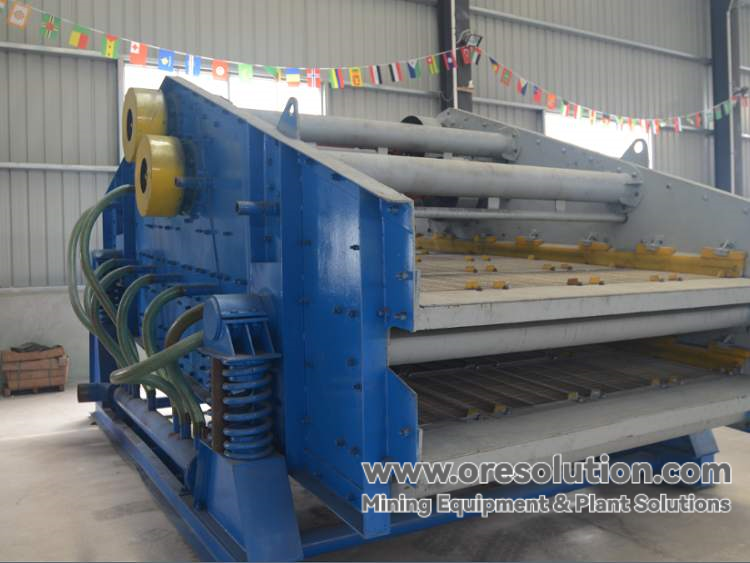
After raw sea sand arrives at the plant, the first formal process should be scrubbing, not crushing.Seasand has a naturally suitable particle size; crushing it would result in over-grinding, increasing the difficulty of subsequent processing. After screening, the material is fed directly into a scrubber, where friction and shear forces between particles strip away the surface iron film and clay-based impurities. The effectiveness of the scrubbing process directly impacts the workload of the subsequent magnetic separation and acid washing stages.
Scrubbing equipment comes in horizontal and vertical configurations. Series-connected horizontal scrubbers are suitable for operating conditions with a slurry concentration of around 50%. They are paired with cylindrical or screw washers for preliminary desliming. The scrubbing time is adjusted based on the mud content of the raw ore and the thickness of the iron film; there is no fixed value.
Here is a commonly overlooked issue: if scrubbing is incomplete, even the most powerful magnetic separator cannot remove the iron chemically adsorbed to the surface.Some high-purity silica sand production lines using purified sea sand, in an effort to reduce investment costs, perform only a single scrubbing pass; as a result, the load on the magnetic separator and acid washing process increases exponentially. The electricity consumption of the scrubbing stage is far less expensive than the acid consumption and the energy loss of the magnetic separator.
II. Magnetic Separation: First, Remove the Iron That Can Be “Attracted”
When configuring equipment for a seawater sand purification and high-purity silica sand production line, the number of stages in the magnetic separation section is one of the most frequently asked questions by customers.
The washed slurry is fed into the magnetic separation process. Iron minerals in sea sand fall into two categories: strongly magnetic magnetite and titanomagnetite, and weakly magnetic hematite, limonite, and ilmenite.
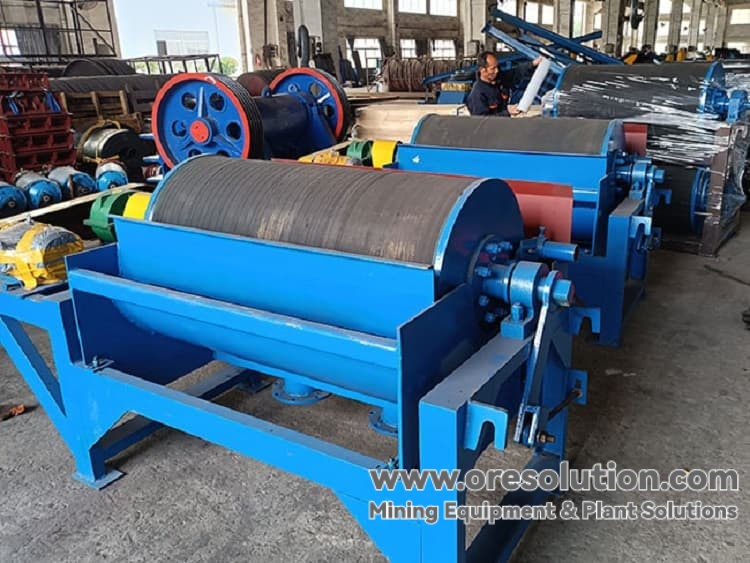
The strongly magnetic fraction can be processed using a permanent magnet drum separator, which is low-cost and easy to maintain. The weakly magnetic fraction requires a high-gradient vertical ring magnetic separator; the background magnetic field strength typically needs to reach a relatively high level to achieve effective separation. Ilmenite in sea sand is a typical weakly magnetic mineral, and ordinary magnetic separators have limited effectiveness on it.When selecting equipment for this stage, dry multi-roll high-intensity permanent magnet separators, wet high-intensity magnetic separators, and electromagnetic slurry separators each have their own applicable ranges, which depend on the feed particle size and slurry concentration.
There is no standard answer regarding the number of magnetic separation stages. For ore with high iron content and strict requirements for Fe₂O₃, two or even three stages may be necessary. If the washing process is thorough, one stage of high-intensity magnetic separation followed by one stage of high-gradient magnetic separation may be sufficient.When configuring equipment for a high-purity silica sand production line using purified sea sand, each stage must be supported by data; processes should not be designed based on intuition.
When selecting a magnetic separator, in addition to magnetic field strength, processing capacity and feed particle size distribution must also be considered. Since sea sand particle sizes are concentrated within a specific range, the separator\'s gap and rinse water pressure must be adjusted accordingly. Using parameters designed for coarse-grained ore will compromise separation efficiency.
III. Flotation vs. Gravity Separation: Where Seawater Sand and Veined Quartz Part Ways
The configuration of equipment for a high-purity silica sand production line from marine sand, and the trade-off between flotation and gravity separation, are key factors distinguishing marine sand from hard rock ore.
The role of flotation in sea sand purification is to remove impurities—feldspar and mica—that cannot be eliminated by magnetic separation. The key to separating feldspar from quartz via flotation lies in the chemical regime. Quartz can be floated under acidic conditions using amine collectors, while feldspar requires prior activation.Feldspar particles in sea sand are often intergrown with quartz or contaminated with iron on their surfaces, resulting in lower flotation selectivity compared to vein quartz ore.
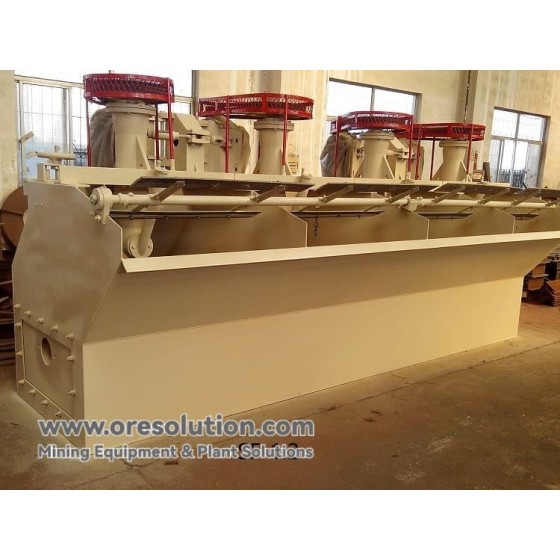
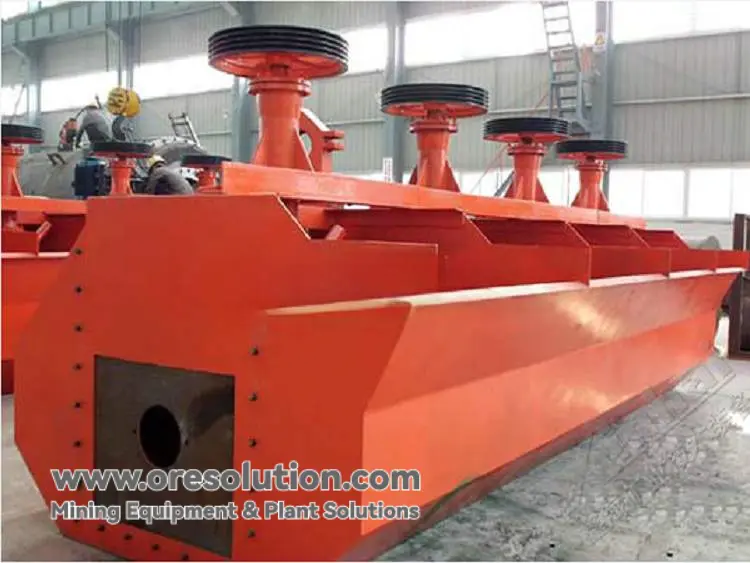
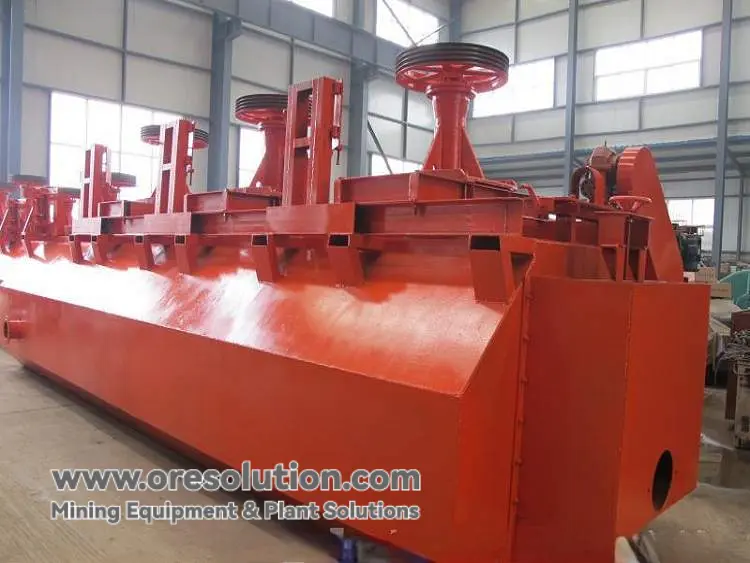
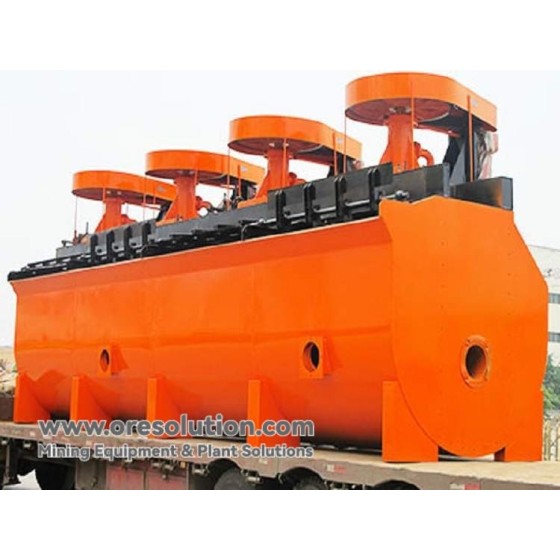
The number of flotation stages depends on the impurity content. For seawater sand with high mica content, reverse flotation is used first to remove mica, followed by direct or reverse flotation to separate feldspar. For samples with low mica content, a single flotation stage may be sufficient to reduce aluminum content below the target value.Floating machines can be selected based on the applicable ranges of SF-type, BF-type, JJF-type, and XCF-KYF-type aerated flotation machines. Since the feed particle size of sea sand is fine, the aeration rate and agitation intensity must be recalibrated; parameters used for metal ore flotation cannot be applied directly.
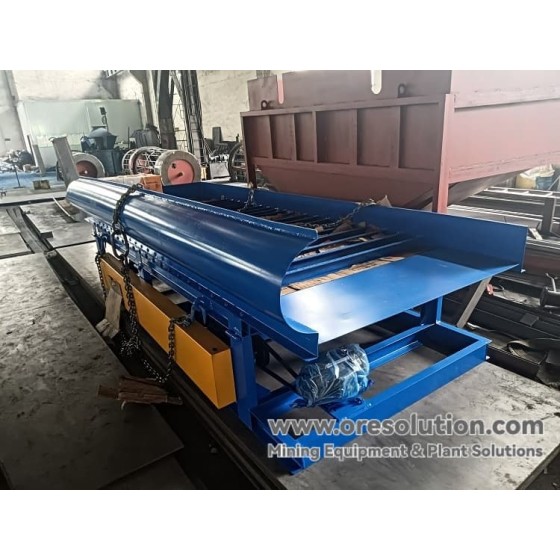
However, flotation is not the only option. For heavy minerals in sea sand—such as ilmenite and zircon—gravity separation is sometimes more economical than flotation. Spiral chutes, sawtooth jigs, and 6S shaking tables are highly efficient at separating minerals with significant density differences and incur no reagent costs.A pilot test is sufficient to determine the optimal equipment configuration for a high-purity silica sand production line from seawater sand and to decide between flotation and gravity separation.
IV. Acid Washing: The Critical Step to Raising Purity from 99% to 99.9%
When configuring equipment for a high-purity silica sand production line from sea sand, the acid washing stage is the decisive factor in determining whether the product can enter the high-end market.
Magnetic separation and flotation can achieve relatively high SiO₂ levels, but acid leaching is indispensable for producing photovoltaic-grade or electronic-grade products. The purpose of acid leaching is to dissolve trace metals that cannot be removed by physical beneficiation methods. The portion of iron occupying lattice substitution sites is completely unaffected by magnetic separation; it can only be removed through the penetration and reaction of the acid solution.
The choice of acid is critical. Hydrochloric acid has strong iron-dissolving capacity, but residual chloride ions cause significant corrosion to downstream equipment. Oxalic acid also forms complexes with iron and is relatively less corrosive. Mixed-acid solutions are significantly more efficient at removing aluminum, but the operational safety and waste liquid treatment costs associated with hydrofluoric acid must be carefully evaluated.
The core requirements for acid leaching equipment are corrosion resistance and temperature control.Heated agitation tanks, acid immersion tanks, and recirculation tanks must all be made of PP or PTFE-lined materials, with配套 washing filters and filter presses to complete post-acid washing and dewatering. The acid solution temperature is typically controlled within the 60–80°C range; if the temperature is too low, the reaction slows down, and if it is too high, acid loss due to evaporation increases.
One point that is easily overlooked: the material must be dried to a very low moisture content before acid washing. If wet material enters the acid washing tank, the acid solution is diluted, the effective concentration decreases, acid consumption increases, and the effectiveness is compromised. When configuring equipment for a high-purity silica sand production line using purified sea sand, the drying step prior to acid washing must not be omitted.
V. Calcination: Whether to Include It Depends on Where the Iron Is Hidden
When configuring equipment for a high-purity silica sand production line from purified sea sand, calcination is the most controversial step—whether to include it or not depends on the form in which iron is present.
Calcination serves a specific purpose in the purification of sea sand; it is not a universal process. Quartz undergoes a phase transition at around 573°C, causing volumetric expansion. If iron is embedded in the microcracks of quartz particles in the form of fine staining, the thermal stress generated by calcination can widen these cracks, allowing the subsequent acid solution to penetrate more easily.Studies have shown that when calcination is combined with an appropriate amount of sodium chloride, the removal rates of aluminum, iron, and titanium can reach very high levels.
However, calcination comes at a significant cost. The thermal energy consumption of the calcination furnace, the wear and tear on refractory materials, and the water required for subsequent water quenching all represent tangible expenses. If the iron in the sea sand primarily exists as a surface film, scrubbing followed by acid washing is sufficient; in such cases, calcination would be overkill.
The criteria for determination are simple: conduct an acid leaching test on the scrubbed sand. If the iron removal rate is high, it indicates that the iron is on the surface, and calcination is unnecessary. If the removal rate is low, it indicates that the iron has penetrated into the interior of the particles; in this case, calcination is worth considering.
VI. Equipment Configuration Framework: Backward Planning Based on Target Purity
Equipment configurations vary significantly depending on the target purity of the marine sand product. The following reference framework outlines how to configure equipment for a high-purity silica sand production line based on common purity targets; the specific number of processing stages and equipment models should be adjusted according to the raw material data.
| Target Product | Core Equipment Combination | Key Control Points |
|---|---|---|
| Sand for Float Glass/Photovoltaic Glass | Screening → Washing → Magnetic Separation → Flotation → Dewatering | Control of iron content; meet whiteness standards |
| Sand for the inner layer of PV crucibles | Scrubbing → Magnetic Separation → Flotation → Calcination → Acid Washing → Pure Water Washing | Total impurity control; aluminum, iron, and titanium must be reduced to extremely low levels |
| Quartz powder for TFT-LCD substrates | Re-grinding → Magnetic separation → Alkaline scrubbing → Drying → Grinding and classification | Particle size distribution control; extremely low metal content |
| Sand for electronic-grade and optical fiber applications | Full-process treatment + multi-stage acid washing + purification by chlorination | Grading and inspection in accordance with industry standards |
Take quartz powder for TFT-LCD substrates as an example; it uses gravity separation rather than flotation.Separating heavy minerals from sea sand using gravity separation is sometimes more economical than flotation. Gravity separation equipment is highly efficient at separating minerals with large density differences and incurs no chemical costs. This illustrates how to configure equipment for a high-purity silica sand production line from sea sand; the choice between flotation and gravity separation must be based on the properties of the raw ore.
VII. Several Common Configuration Issues
Q: How should equipment be configured for a high-purity silica sand production line using purified sea sand? Is it possible to skip scrubbing and proceed directly to acid washing?
This is not recommended. If the surface iron film and clay are not first removed, the acid solution cannot reach the underlying impurities, resulting in a significant increase in acid consumption. Scrubbing is a low-cost pretreatment; skipping it simply shifts the burden to more expensive processing steps.
Q: Iron levels remain above the limit after magnetic separation. Where does the problem lie?
Check three areas first. First, verify whether the scrubbing was thorough; if surface iron wasn\'t completely removed, magnetic separation will be ineffective. Second, check whether the magnetic field strength and separation gap are appropriate for the grain size of the sea sand. Third, examine the form in which the iron exists; if the iron is in a lattice substitution site, magnetic separation won\'t work anyway, and acid washing will be necessary.
Q: Which should be chosen—flotation or gravity separation?
It depends on the density difference between the impurity minerals and quartz. Ilmenite and zircon have a large density difference, so gravity separation is highly efficient and incurs no reagent costs. Feldspar and quartz have similar densities, so gravity separation is ineffective—flotation is required. The two methods can be used in combination.
Q: How should acid leaching waste liquid be treated?
Acid-containing wastewater must be neutralized and precipitated before being reused or discharged in compliance with standards. Common neutralizing agents include lime slurry or sodium hydroxide; the sludge produced after precipitation must be classified and disposed of as hazardous waste or general solid waste. Environmental protection equipment must be included in the configuration list from the outset; it cannot be added later during the acceptance inspection.
Q: Can the same configuration plan be used for sea sand from different sources?
No. Even within the same bay, sand from near-shore and offshore areas may differ in iron content and occurrence conditions. The configuration of equipment for a high-purity silica sand production line must be based on a comprehensive analysis of the raw ore and the results of pilot tests.
VIII. From Testing to Turnkey Delivery: Configuration Capabilities Beyond Equipment
When configuring equipment for a high-purity silica sand production line using purified sea sand, the equipment list is merely the end result; the preliminary test evaluations and subsequent commissioning and operation are the prerequisites for the feasibility of the plan.
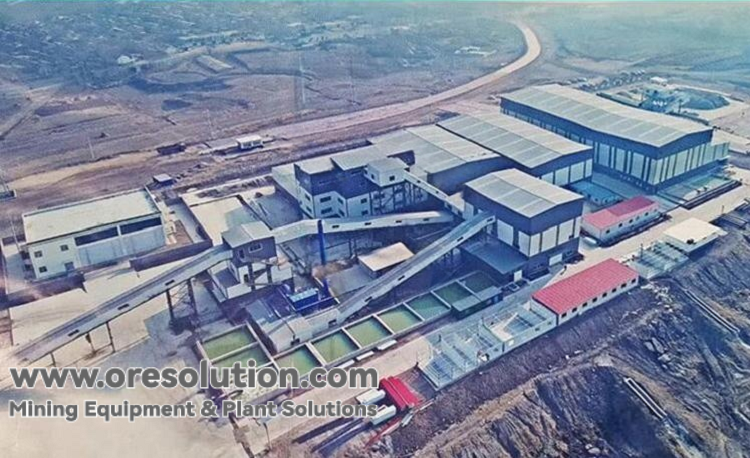
The properties of the ore determine the process route, and the process route determines the equipment configuration. Variables such as grain size distribution, associated minerals, and the form of iron cannot be estimated based on experience alone; they require data obtained through pilot tests.OreSolution\'s approach is to first conduct ore sample tests, then determine the process flow, and finally proceed to equipment manufacturing, installation, and commissioning—following an EPC (Engineering, Procurement, and Construction) turnkey model.
In terms of equipment supply, the equipment commonly used for sea sand purification—including scrubbers, wet high-intensity magnetic separators, electromagnetic slurry magnetic separators, high-gradient magnetic separators, SF/BF/JJF series flotation cells,spiral chutes, 6S shaking tables, acid leaching reactors, wash filters, filter presses, and dryers—are all produced within our in-house manufacturing system. Models can be combined according to process stages, eliminating the need to piece together parameters from different manufacturers.
Regarding the site and utilities, the acid washing area must be equipped with corrosion-resistant flooring and containment dikes, and acid-containing wastewater must be collected separately from ordinary rinse water. In the calcination area, safety clearance distances for high-temperature operations must be considered.The pure water preparation area and the acid leaching area should be located close to each other to minimize pipeline lengths. Magnetic separators and calcining furnaces are major power consumers; electrical equipment in the acid leaching area must be treated to resist corrosion. These details must be determined during the plant design phase, as retrofitting after production begins would be extremely costly.
IX. Summary of Configuration Logic
The core logic for configuring equipment in a high-purity silica sand production line using purified sea sand can be summarized as follows: first, scrub to remove surface iron; then, use magnetic separation to remove magnetic minerals; next, process feldspar and mica via flotation or gravity separation; acid washing is used to remove lattice impurities; and calcination is an optional step.
Each stage should complement the previous one, rather than duplicating efforts. There is no one-size-fits-all solution for configuring equipment on a production line for purifying high-purity silica sand from sea sand. A comprehensive analysis of the raw ore and pilot-scale testing are prerequisites for determining the configuration. The composition of impurities varies significantly depending on the origin of the sea sand.
Equipment is configured based on data, not on guesswork.
Regarding the configuration of equipment for a high-purity silica sand production line using purified sea sand, if you require a selection analysis tailored to a specific raw ore, please submit the raw ore data and target product purity requirements to us.OreSolution provides EPC turnkey services ranging from mineral processing testing, process design, equipment manufacturing, installation, and commissioning to personnel training, along with ongoing support for full-lifecycle operations and technical optimization.