


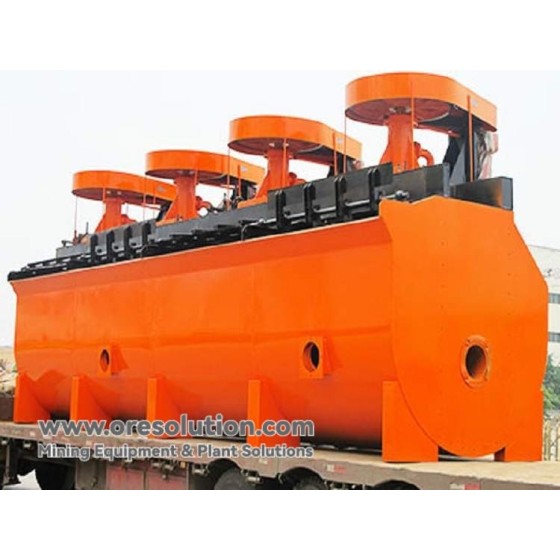
Iron-Removal and Purification Solution for Low-Iron Quartz Sand Processing Lines
A while back, a client from Shandong called to say that an environmental protection notice required them to upgrade their acid washing waste liquid system, or else they\'d have to shut down. He asked me, “Is acid washing absolutely necessary for purifying low-iron quartz sand?”
I didn\'t answer directly, but asked him three questions in return: Is the iron content in your concentrate stuck below a certain level and refusing to go down? Are the treatment costs for spent acid and rinse water rising year after year? Do you have to shut down the line whenever environmental regulations tighten? He said all three applied to his situation.
How many of these three points apply to your plant?—Is your concentrate\'s Fe₂O₃ content consistently failing to meet the target value? Is the cost of acid washing waste liquid disproportionately high? Do you worry about having to shut down production whenever environmental regulations tighten? He confirmed that all three applied. If two or more of these apply to your plant—meaning your concentrate\'s Fe₂O₃ content consistently fails to meet the target value, the cost of acid washing waste liquid is disproportionately high, and you worry about having to shut down production whenever environmental regulations tighten—it indicates that you\'re trapped in “acid washing dependency.” The mechanical processing line solution for low-iron quartz sand is designed to address precisely this issue.
I. The Problem: Why Does Iron Removal in Low-Iron Quartz Sand Always Get Stuck at the Acid Washing Stage?
Low-iron quartz sand processing plants—especially those producing photovoltaic sand and glass sand—almost invariably treat acid washing as a last-resort “safety net.” Can\'t get the iron content down? Acid wash. Significant fluctuations in impurities? Acid wash. Tight customer specifications? Still acid wash. Acid washing seems to have become a panacea for purifying low-iron quartz sand.
However, after many plants install acid washing lines, the problems not only persist but actually increase: high costs for treating waste acid, rapid equipment corrosion, and constant anxiety whenever environmental inspections come around. More critically, while acid washing may reduce iron content in some ores, it alters the particle size distribution and reduces the efficiency of subsequent classification processes; when the overall costs are calculated, it simply isn\'t cost-effective.
Scenario 1: Concentrate iron content “hovers at the cutoff.”
The Fe₂O₃ content in the raw ore is around 0.2%. After one round of flotation, the concentrate drops to about 0.1% but cannot go any lower.To reduce it further, one must either increase the reagent dosage or resort to acid leaching. Increasing the reagent dosage drives up costs, causes quartz to be entrained in the foam, and lowers the concentrate yield. The extra cost of reagents and the loss of concentrate result in savings that are negligible compared to acid leaching.
Phenomenon 2: Acid leaching waste liquid becomes a “ticking time bomb.”
The process of neutralizing, precipitating, and filter-pressing waste acid involves significant costs per metric ton of ore. This doesn\'t even account for equipment corrosion—the replacement cycles for pumps, valves, and pipes on the acid leaching line are much shorter than those on the flotation line, and spare parts consumption is significantly higher. If environmental regulations tighten even slightly and discharge limits are tightened, the line must be shut down for rectification.
Situation 3: Performance metrics fluctuate wildly, with significant variations between shifts.
At the same mine, Shift A can successfully reduce the iron content in the concentrate, while Shift B\'s results fluctuate wildly. When asked, the operators all claim they “followed the procedures.”Where does the problem lie? The pH in the flotation process isn\'t stabilized, reagent addition is based on intuition, and no one monitors the foam layer thickness. When parameters are unstable, performance fluctuates, and in the end, acid washing is left to “clean up the mess.”
At their root, these three phenomena stem from the same underlying problem—inadequate iron removal in the front-end flotation process, forcing the back-end acid leaching operation to work overtime. To reduce iron content and purify low-iron quartz sand, first get the flotation process right; this will cut the workload of acid leaching by more than half.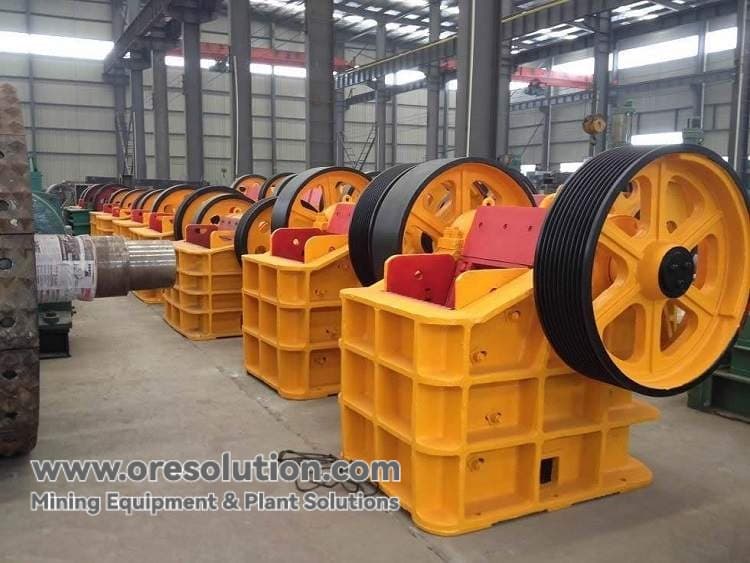
II. Why: Three Reasons You\'re “Held Hostage” by Acid Washing
Having worked in this industry for over a decade, I\'ve seen far too many plants treat acid washing as a lifeline. At its core, there are three reasons for this.
Reason 1: Equating “Iron Removal” with “Acid Washing.”
Iron in silica sand exists in different forms. Some iron consists of free iron oxide particles—either adhering to the surface or embedded in the fissures of quartz grains; other iron is embedded within the crystal lattice of minerals, such as structural iron in mica and feldspar. The former can be largely removed through physical beneficiation, while the latter requires in-depth chemical treatment.
The problem is that many plants fail to conduct a mineralogical analysis of the ore and instead follow the formula of “high iron content means acid leaching” right from the start.For ores where free iron constitutes the bulk of the content, flotation or magnetic separation would suffice; yet, insisting on acid leaching not only doubles costs but also creates a new burden in the form of waste liquid treatment. The first step in a mechanical processing plan for low-iron quartz sand is to thoroughly understand the ore\'s properties, so that acid leaching isn\'t wrongly blamed for issues that should be addressed by flotation.
Reason 2: The flotation parameters are not properly adjusted, and the iron removal efficiency has not been fully optimized.
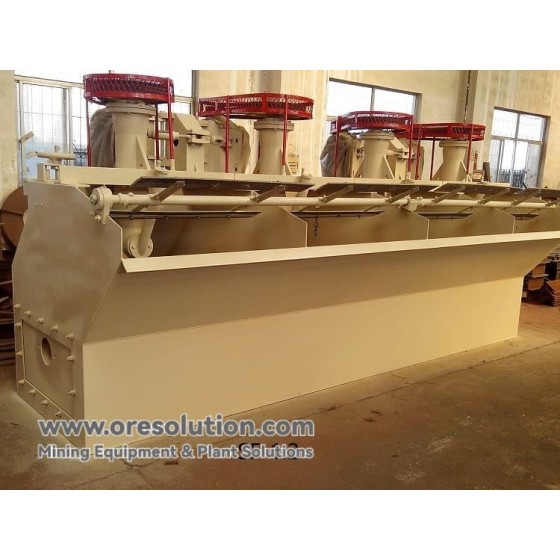
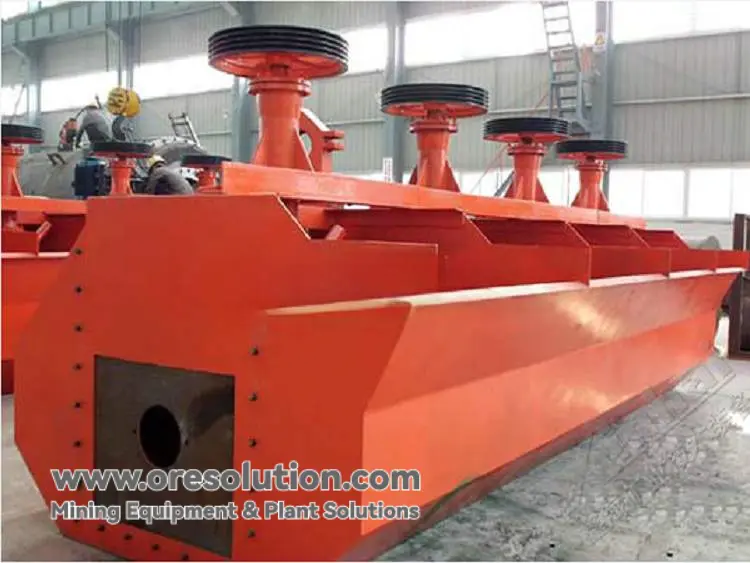
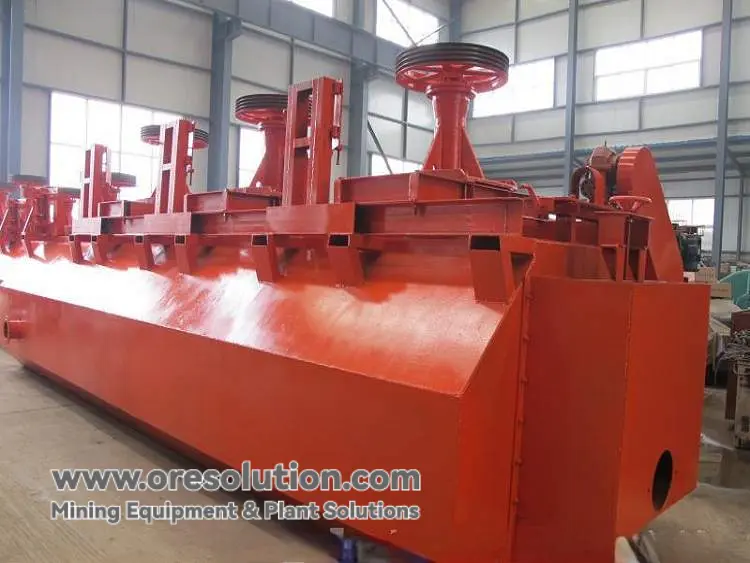
For iron removal via flotation of silica sand, the key lies in the reagent regimen and flotation conditions.Many plants start up their flotation machines and add reagents, but they fail to control the pH, select the wrong collector, or maintain insufficient agitation. As a result, the foam is full of gangue, and the iron minerals aren\'t effectively collected at all. If the iron content in the flotation tailings remains high, what else can you rely on besides acid leaching?
Veteran technicians say: “Any work that isn\'t done properly in flotation gets dumped onto the acid leaching stage.” The challenge in reducing iron content and purifying low-iron quartz sand often lies not in the acid leaching stage, but in these improperly adjusted parameters in the flotation stage.
Reason Three: Being Shackled by “Industry Conventions.”
The notion that “silica sand purification requires acid washing” has been circulating in the industry for far too many years. Ask ten people, and eight will tell you that acid washing is standard practice. But standard practice does not equal necessity. Acid washing is merely one path to deep iron removal—not the only one.Environmental pressures are mounting year by year, and the cost of treating acid washing waste liquid continues to rise. If you keep calculating costs based on outdated thinking, you\'re bound to suffer losses sooner or later.
My experience tells me this: the root of the problem isn\'t where you\'re looking. You\'re fixated on the acid washing line, thinking the costs are high and the waste liquid is hard to treat;but the real breakthrough lies in the front-end flotation process for iron removal. Instead of replacing equipment, change your mindset—there\'s no need to dismantle the acid washing line; simply boost the capacity of the flotation section, and acid washing will naturally shift from being the “main method” to a “backup.” This is the more economical approach to reducing iron content and purifying low-iron quartz sand.
III. How to Proceed: A Three-Step Approach to Replacing Acid Washing with Flotation
First, the general direction: For most silica sand deposits—especially those where iron exists primarily in free form or as fissure-bound iron—optimizing the flotation process in conjunction with magnetic separation and desliming can consistently reduce the Fe₂O₃ content in the concentrate to a low level, meeting the mainstream requirements for photovoltaic sand and high-end glass sand.Exactly how low the iron content can be reduced depends on the properties of the ore and cannot be generalized.
But don\'t expect to achieve this simply by “turning on a flotation machine and adding some reagents.” The key to reducing iron content and purifying low-iron quartz sand through a mechanical processing line lies in the coordination of three key stages.
Step 1: Thoroughly understand the ore\'s properties.
Don\'t rush to adjust the reagents. First, conduct a process mineralogy analysis to clarify three key points: what are the primary iron-bearing minerals (hematite, limonite, pyrite, or iron-bearing mica minerals); at which particle size range is iron most concentrated; and what degree of single-particle liberation is required for effective separation.
A veteran engineer recounted: At a silica sand mine in Jiangxi, the raw ore contained 0.28% Fe₂O₃. Initially, they followed conventional practice and applied acid leaching directly.Later, a mineralogical analysis revealed that the iron was primarily concentrated in fine-grained clay minerals, while the quartz grains themselves were very clean. For this type of ore, upfront desliming followed by flotation can solve most of the problem; acid leaching for purification is essentially a waste of resources. Only after the ore\'s properties are fully understood can the optimal strategy for iron removal from quartz sand be determined.
Step 2: The flotation reagent regimen must be “tailored to the problem.”
For iron removal from quartz sand via flotation, anionic collectors combined with modifiers are commonly used, but the specific selection depends on the type of iron minerals present.
-
Predominantly hematite and limonite: Maintain a pH in the acidic to neutral range; use sodium petroleum sulfonate or fatty acid-based collectors, combined with water glass to suppress quartz.
-
Predominantly pyrite: Oxidation is performed first, or xanthate-type collectors are used, with a slightly alkaline pH
-
Mica-type iron-bearing minerals: The focus is on dispersion and inhibition; sufficient water glass must be used, and agitation intensity must be increased
Even with feed ore containing approximately 0.25% Fe₂O₃, selecting the correct reagents can significantly reduce the iron content in the rough concentrate; conversely, incorrect selection may result in flotation tailings with higher iron content than the feed ore—as the foam carries iron-bearing gangue into the concentrate, effectively “enriching” it with iron.When conventional reagents cannot resolve selectivity issues, a proprietary reagent system with targeted formulations must be employed to compensate.
Step 3: Control the flotation environment.
pH, agitation intensity, aeration rate, and flotation concentration—these four parameters are interdependent. If pH isn\'t controlled, adding collector is a waste; insufficient agitation leads to poor slurry dispersion, causing iron minerals and quartz to agglomerate, which directly compromises flotation selectivity; excessive aeration causes the foam to entrain gangue, resulting in an increase in iron content in the concentrate.
Experienced operators say there\'s one detail on-site that many overlook—the thickness of the foam layer in the flotation cell. If the foam is too thin, the enrichment efficiency is poor; if it\'s too thick, concentrate is lost. Operators must be able to monitor and adjust this parameter; the specific range depends on the pulp concentration and reagent dosage, and there is no one-size-fits-all standard.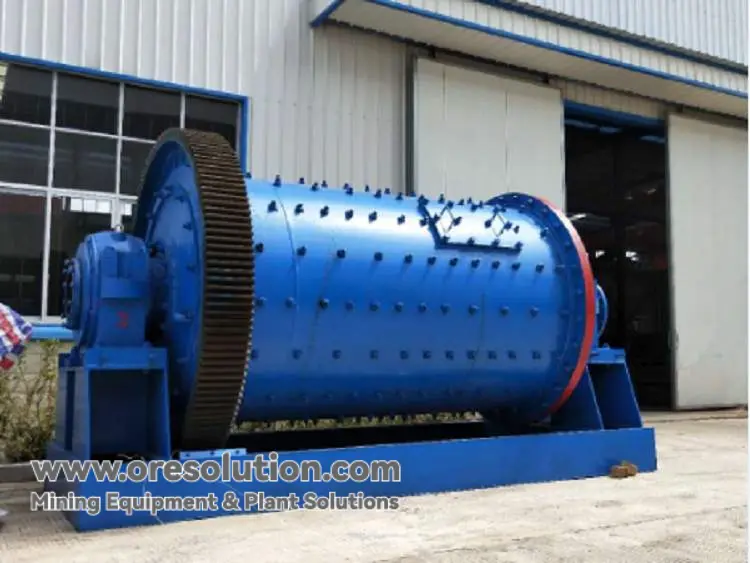
IV. Implementation: A Four-Step Plan for the Low-Iron Quartz Sand Mechanical Processing Line
The plan may sound simple, but implementation requires a step-by-step approach. Let me walk you through it chronologically.
Step 1: Take samples for process mineralogy analysis (1–2 weeks in the initial phase).
Don\'t skimp on this expense. Collect representative samples of the raw ore and send them to a professional laboratory for MLA or microscopic identification to determine the iron occurrence, grain size distribution, and degree of single-particle liberation.Concurrently, conduct flotation condition tests to determine the reagent regimes and pH windows for rough and clean flotation. The data from this step will serve as the basis for all subsequent decisions.
Step 2: Adjust the flotation process (2–3 weeks).
Most silica sand processing plants already have a flotation stage, so there\'s no need to start from scratch. Focus on modifying three key areas:
-
Add an additional concentrate stage to form a “roughing + two concentrate” process, which will further reduce the iron content in the concentrate
-
Inspect the agitation and aeration systems of the flotation cells; replace any impellers on older equipment that show severe wear
-
Install an automatic chemical dosing system to at least stabilize the pH and collector dosage
Once the iron content in the rough concentrate is reduced to a low range and consistently meets standards after two stages of scavenging, the process is considered successful.
Step 3: Coordinate desliming and magnetic separation (to be carried out simultaneously).
Dewatering must be thorough prior to flotation.Fine-grained slime often has a high iron content, and the efficiency of desliming directly determines the iron content in the flotation feed. If strongly magnetic iron minerals remain after desliming, perform a preliminary magnetic separation step (high-gradient magnetic separation or permanent magnet drum separation) to remove the easily separable iron first, thereby reducing the load on the flotation process.
Desliming → Magnetic Separation → Flotation (roughing + concentrating)—this combination is suitable for most silica sand deposits. Properly positioning this process in a low-iron quartz sand mechanical processing line is far more effective than simply adding reagents.
Step 4: Ensure stable operation by monitoring three key indicators.
-
Control fluctuations in the Fe₂O₃ content of the flotation feed
-
Keep the Fe₂O₃ content in the concentrate stable below the target value
-
Keep the Fe₂O₃ content in the flotation tailings within a reasonable range, indicating that iron is being effectively captured and no iron is escaping into the tailings
Only after continuous operation for a period of time, with fluctuations in the concentrate\'s iron content narrowing, can the process be considered truly stable.
V. How Effective Is It? Calculating the Cost-Benefit of Iron Reduction and Purification
Let\'s look at the data, but first a note: The following set of figures comes from a specific project. Input-output ratios vary significantly depending on the ore type, process, and region; therefore, these figures should be treated as a reference only and not as a guarantee.
At that mine in Jiangxi, the raw ore contained 0.28% Fe₂O₃. Before the upgrade, acid leaching was used to achieve a concentrate Fe₂O₃ content of around 0.04%; however, the combined costs of acid leaching waste liquid treatment, acid consumption, and labor resulted in a relatively high overall cost per metric ton of ore.After switching to a mechanical processing line for low-iron quartz sand—comprising “desliming + magnetic separation + flotation”—the Fe₂O₃ content in the concentrate stabilized in the range of 0.045%–0.05%, meeting the customer\'s requirements. The processing cost per metric ton of ore dropped significantly; the acid leaching line was shut down, and the cost of treating waste liquid was reduced to zero.
For a medium-sized processing plant (processing approximately 200 metric tons per day, for illustrative purposes only), assuming 300 operating days per year, the savings per metric ton of ore translate to annual savings of hundreds of thousands. The primary investment in the retrofit consists of replacing flotation machine impellers, installing a reagent dosing system, and adjusting the process flow. The payback period depends on the scope of the retrofit but generally ranges from six months to one year.
In terms of performance metrics, recovery rates have improved—concentrate yield has increased, and acid leaching losses as well as fine-grain concentrate carried away by waste liquid have been eliminated; the Fe₂O₃ content in tailings has also decreased.
[Comparison Table of Results]
| Indicators | Before Retrofit (Acid Leaching as a Fallback) | After Retrofit (Flotation Replacement) | Trend |
|---|---|---|---|
| Fe₂O₃ Content in Concentrate | Approx. 0.04% | 0.045%–0.05% | Stable and within specifications |
| Fe₂O₃ in Flotation Tailings | Slightly high | Decreasing | Iron is effectively collected |
| Recovery Rate | Low | Increase | Concentrate yield increased |
| Mining cost per metric ton of ore | Relatively high | Significantly decreased | Acid leaching costs reduced to zero |
| Waste liquid treatment costs | Exists | 0 | Reduced to zero |
| Annual Total Benefits (Medium-Scale, Illustrative) | — | Annual savings of hundreds of thousands | Payback in six months to one year |
The veteran technician says: The column most easily overlooked in these calculations is “Recovery Rate.” While the concentrate iron content appears low after acid leaching, the fine-grain concentrate carried away by the waste liquid, combined with the concentrate yield lost during the acid leaching process, adds up to a tangible loss of metal. After switching to flotation, this portion is recovered.When reducing iron content and purifying low-iron quartz sand, one cannot focus solely on the concentrate iron content; recovery rate, costs, and environmental impact must all be factored in.
The applicable limits must also be clarified: This mechanical processing line solution for low-iron quartz sand works best for silica sand ores where iron is primarily present in a free state or attached to fissures.If the iron in the ore is primarily embedded within mica crystal lattices or feldspar structures—resulting in low single-particle liberation—the extent to which flotation can replace acid leaching will be limited, and acid leaching may need to be retained as a supplementary method. A mineral analysis will determine whether this approach is suitable for a specific ore.
VI. Prevention: Common Misconceptions and Precautions in Low-Iron Quartz Sand Iron Reduction and Purification
Finally, a few points to note.
Replacing acid leaching with flotation does not mean “completely eliminating acid leaching,” but rather “downgrading acid leaching from the primary method to a backup.”If front-end flotation for iron removal is thoroughly optimized, the acid leaching load will decrease, the pressure of waste liquid treatment will be reduced, and there will be no cause for concern during environmental inspections. The core of a mechanical processing line using low-iron quartz sand is not replacing equipment, but rather fine-tuning the parameters of the flotation stage.
The most common mistake is adjusting flotation reagents right from the start without fully understanding the ore\'s properties, resulting in unstable indicators even after months of adjustment. First, conduct a mineral analysis; then determine the process flow; and finally, adjust the parameters—this sequence must not be reversed. In low-iron quartz sand beneficiation, if the sequence is wrong, the entire investment will go down the drain.
If you\'re currently stuck with acid leaching costs or environmental issues, don\'t rush to overhaul the acid leaching line.Take three steps: collect raw ore samples for process mineralogy analysis; review the desliming and enrichment stages of the flotation process; and calculate the cost-benefit analysis of switching to flotation. Once these three steps are completed, you\'ll be able to determine whether a mechanical processing solution for low-iron quartz sand is suitable for your plant.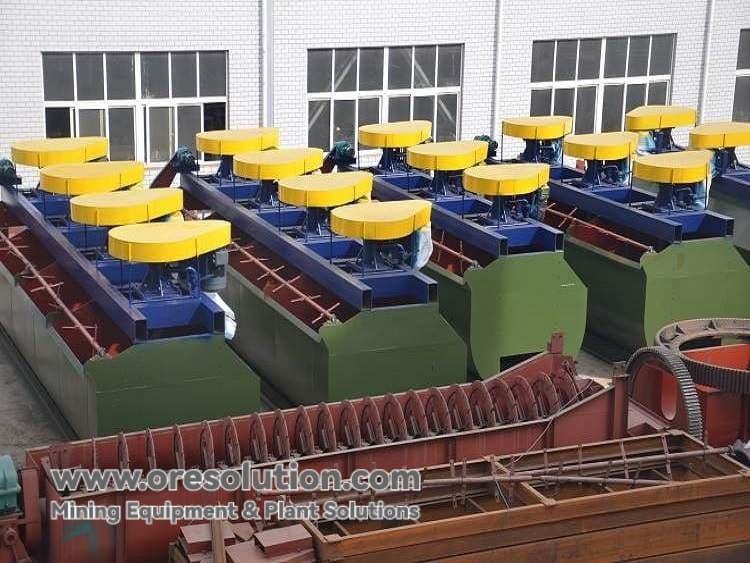
VII. Technical Confidence: Conventional Processes Ensure the Lower Limit; Proprietary Technology Pushes the Upper Limit
Some customers ask: “How does your flotation-based alternative to acid washing differ from what other companies on the market offer?”
When it comes to quartz sand purification lines, conventional processes such as scrubbing, magnetic separation, flotation, and acid washing—along with the mature equipment required—are widely available on the market. We have comprehensive mastery of these and apply them proficiently.Conventional methods ensure the minimum standard—they can process most ores and meet quality specifications. However, the real bottlenecks lie in the “difficult cases” that conventional reagents and standard equipment cannot handle: complex iron occurrence, severe sludging, significant fluctuations in impurities, and extremely stringent environmental standards. In such situations, conventional methods alone are insufficient.
OreSolution\'s strength lies not only in conventional processes but also in our proprietary chemical systems, core process packages, and core equipment—all developed in-house. Take the purification of silica sand to reduce iron content, for example, which is supported by three pillars:
Proprietary chemical system. Conventional collectors suffer from poor selectivity and require large dosages, making them ineffective when dealing with iron-bearing minerals with complex embedding patterns.Based on the microscopic embedding characteristics of the ore, we can tailor a customized chemical regimen to achieve targeted separation of iron minerals, reduce the intergrowth rate between useful minerals and gangue, improve concentrate quality, and actually lower the specific chemical consumption.For projects with strict environmental requirements, we maintain a dedicated reserve of environmentally friendly reagents to ensure recovery rates while minimizing compliance risks.
Proprietary Core Process Package. Even with the same ore, different process designs can yield vastly different results. For ores with fine-grained embedding and high slime content—conditions where conventional processes fall short—we offer exclusive combined process combinations that can “recover” valuable components lost in the slurry.For complex ores containing multiple coexisting minerals, our cross-physical-field coupled processes enable stepwise separation within a single system, allowing for the sale of a single ore as multiple products. We also have dedicated pathways for solid waste resource recovery, transforming environmental burdens into profit centers.
Proprietary Core Equipment. Our core separation equipment is not simply a patchwork of off-the-shelf components; its structural design incorporates proprietary fluid dynamics and kinetic parameters. In terms of throughput, enrichment ratio, and energy efficiency, it delivers superior performance even under extreme operating conditions.More importantly, because we possess both process expertise and equipment manufacturing capabilities, our proprietary equipment is designed from the outset to integrate seamlessly with upstream and downstream processes, avoiding the system incompatibilities caused by “assembling off-the-shelf components.” We have optimized the service life of wear parts and the energy consumption profile, thereby reducing long-term operating costs.
In short: Conventional processes ensure the minimum standards, while our proprietary technology pushes the limits. For low-iron quartz sand iron removal and purification, we\'ll provide the most cost-effective solution for issues that conventional processes can address; for those that conventional processes cannot solve, we\'ll step in with proprietary chemicals, proprietary process packages, and proprietary equipment.This is why, for the same low-iron quartz sand processing line, the range of ore types we can handle and the upper limits of performance metrics differ from those of manufacturers who only sell standard equipment.
VIII. Collaboration Model: We Handle the Entire Process Ourselves—From Ore Samples to Complete Production Lines
OreSolution specializes in mining equipment and mineral processing solutions.For this low-iron quartz sand line, we handle the entire process ourselves—from mineral processing tests, process design, and on-site drawing design to equipment supply, turnkey line integration, installation and commissioning, technical training, spare parts supply, and after-sales service. We do not sell individual pieces of equipment; instead, we provide turnkey solutions for low-iron quartz sand processing lines that are ready for implementation.
We operate three manufacturing bases: Shahe Industrial Park in Zhanggong District, Ganzhou, Jiangxi; Guzhang Industrial Park in Shicheng County, Ganzhou, Jiangxi; and Weifang Heavy Industry Park in Shandong.With 20 years of experience in mining equipment manufacturing and solution integration, our products are sold to more than 50 countries and regions, and our ISO 9001 quality system ensures strict control throughout the entire process, from raw materials to finished products. For this silica sand purification line—covering crushing and screening, grinding and classification, magnetic separation and flotation, all the way to dewatering—we manufacture the equipment ourselves and fine-tune the process ourselves.
If you have specific ore samples or performance requirements, bring them to us, and we\'ll provide a mechanical processing solution for low-iron quartz sand. To determine whether flotation is a suitable alternative to acid leaching, we\'ll conduct a mineral analysis—let the data speak for itself.
Feel free to contact us anytime—OreSolution\'s engineers will provide you with professional solutions.