


Mechanical Processing Line Solution for Low-Iron Quartz Sand: How to Choose a Combined Scrubbing, Magnetic Separation, and Flotation Process for Iron Removal and Purification
Let\'s start with the conclusion: When it comes to iron removal and purification using low-iron quartz sand, there is no “best” solution—only the one that best suits your ore. As acid leaching has become a viable alternative, there are now three mainstream approaches for quartz sand processing lines: scrubbing combined with magnetic separation; scrubbing combined with magnetic separation and flotation; and scrubbing combined with magnetic separation, flotation, and acid leaching.These three processes have completely different requirements for the raw ore and product specifications. If you choose the wrong one, the investment you saved will be completely lost in operating costs.
I. Decision-Making Context: Why Is Replacing Acid Washing So Difficult?
The key challenge for low-iron quartz sand lies in iron content. If iron levels cannot be reduced, the grade cannot be improved, and the product will not meet the requirements for photovoltaic or electronic-grade sand. In the past, acid leaching was relied upon to reduce iron and enhance purity; however, the high cost of waste acid treatment and difficulties in passing environmental impact assessments have led many regions to tighten regulations.
One key distinction must be clarified upfront: photovoltaic and electronic-grade high-purity quartz sand have extremely stringent requirements for iron and aluminum impurities. Acid washing remains an indispensable step in these processes, and the requirements for equipment corrosion protection and environmental compliance are exceptionally strict.The so-called “acid washing alternatives” may involve approaches such as scrubbing combined with magnetic separation, or scrubbing combined with magnetic separation and flotation, in the fields of ordinary glass sand and sheet glass sand; however, for photovoltaic and electronic-grade applications, the alternative refers to reducing the iron-reduction load in the front end—not eliminating acid washing entirely. Without clarifying this distinction, any comparison of solutions is mere empty talk.
Three processing routes lie before you; even with the same daily processing capacity, the investment can vary significantly. The core of decision-making is not a price comparison, but a fit—the grain size distribution of the ore, the state of impurity occurrence, and the target grade determine which route is viable.
II. Quality Standards: First, Determine the Required Reduction Level
For ordinary glass sand, iron content requirements are relatively lenient; washing combined with magnetic separation is usually sufficient. For high-purity sand, iron content limits are stricter, and flotation is often required in addition to washing and magnetic separation.For photovoltaic and electronic-grade sand, the requirements for iron and aluminum impurities are extremely high. According to industry best practices, acid washing is required after washing, magnetic separation, and flotation.
Selection Recommendations: First, define the product positioning; then discuss the mechanical processing line solution for low-iron quartz sand. The more standard the product positioning, the shorter the processing route can be; the higher the positioning, the longer the route becomes, and the more difficult it is to completely bypass the acid washing stage.
III. Three Common Routes for Quartz Sand Processing Lines
Route 1: Scrubbing and Magnetic Separation—the Basic Line for General-Purpose Glass Sand
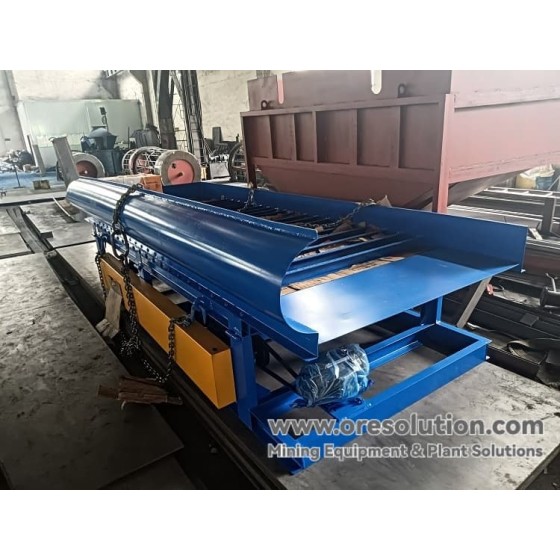
Washing combined with magnetic separation is the shortest route among quartz sand processing line solutions. First, a washing machine removes clay and iron film from the ore\'s surface; then, magnetic separation equipment removes magnetic iron minerals. This is a purely physical process that requires no chemicals, resulting in a clean environmental footprint.The core equipment includes a scrubber, a flat-bed magnetic separator, a dewatering screen, an electromagnetic slurry separator, a thickener, a filter press, and a dryer. With fewer machines and a shorter process flow, the footprint and investment are relatively manageable.
Its weakness lies in ore selection: while it can effectively process coarse-grained iron inclusions and surface iron films, it struggles with fine-grained inclusions where iron is tightly encapsulated by quartz. In such cases, magnetic separation cannot fully remove the iron, leading to a significant drop in recovery rates; the process is also sensitive to feed stability. This line is suitable for projects involving raw ore with coarse-grained iron inclusions and intended for the production of standard glass sand.
Process Route 2: Scrubbing + Magnetic Separation + Flotation—An Advanced Process for High-Purity Sand
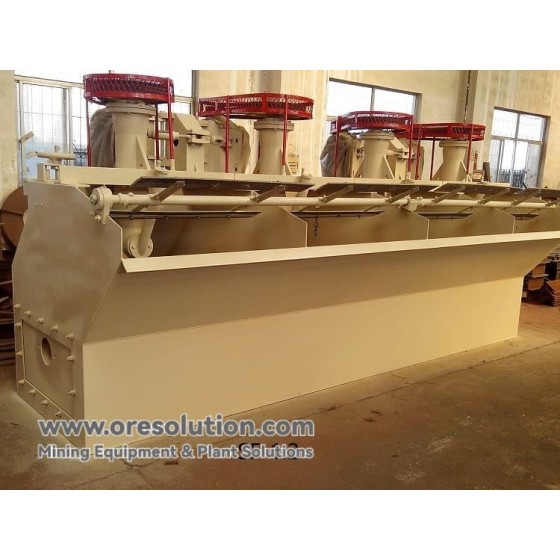
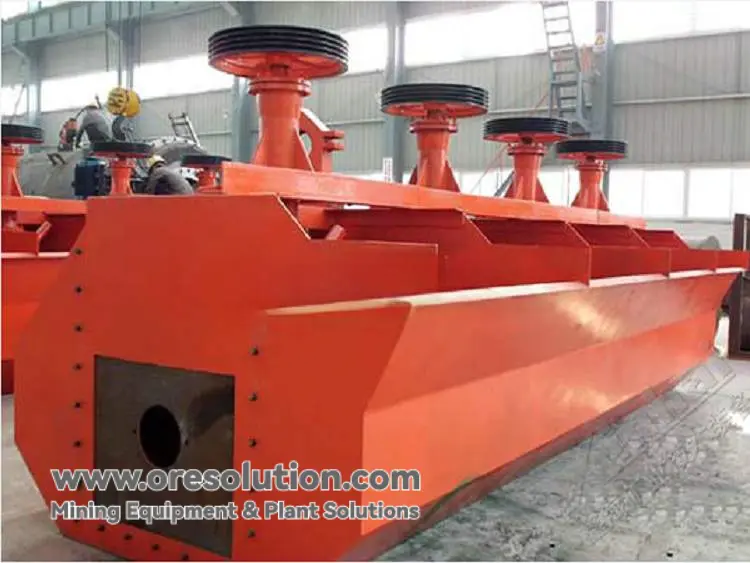
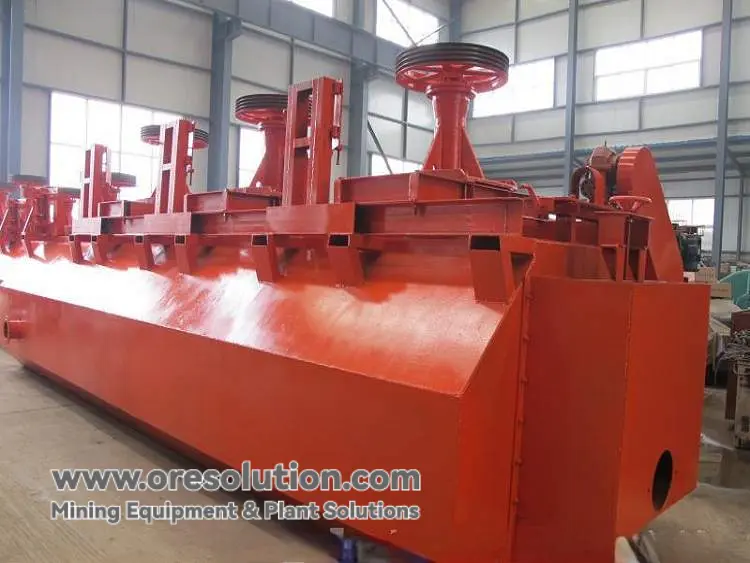
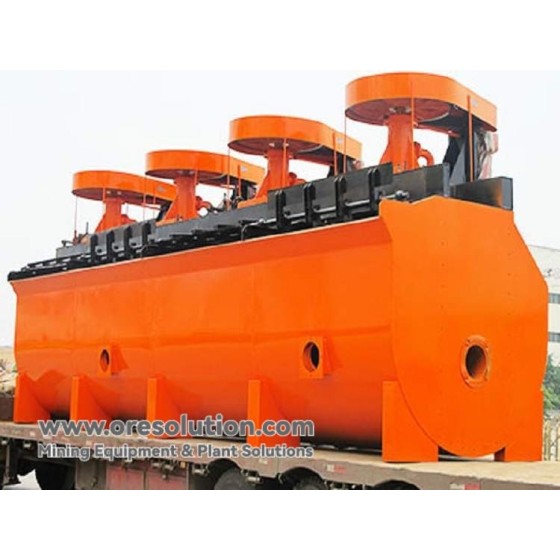
The scrubbing, magnetic separation, and flotation process builds upon Route 1 by adding a flotation stage, targeting high-purity sand. Fine-grained iron and weakly magnetic impurities that cannot be removed by magnetic separation are further separated through flotation. The core equipment includes a flotation unit in addition to that used in Route 1. With more equipment and a longer process, capital and operating costs increase accordingly.
The shortcomings of the flotation stage are also evident: chemical costs are an unavoidable hurdle, as price fluctuations in collectors, modifiers, and frothers directly impact operating expenses; flotation demands high operational precision—any deviation in chemical ratios, pH levels, or aeration rates will cause performance metrics to decline; and the process relies heavily on labor, making it difficult to maintain consistent performance if the team lacks sufficient experience.Suitable for projects involving ore with fine grain size, complex impurity distribution, failure to meet Route 1 specifications, or those targeting high-purity sand.
Route 3: Scrubbing + Magnetic Separation + Flotation + Acid Leaching—A Complete Line for Photovoltaic and Electronic-Grade Sand
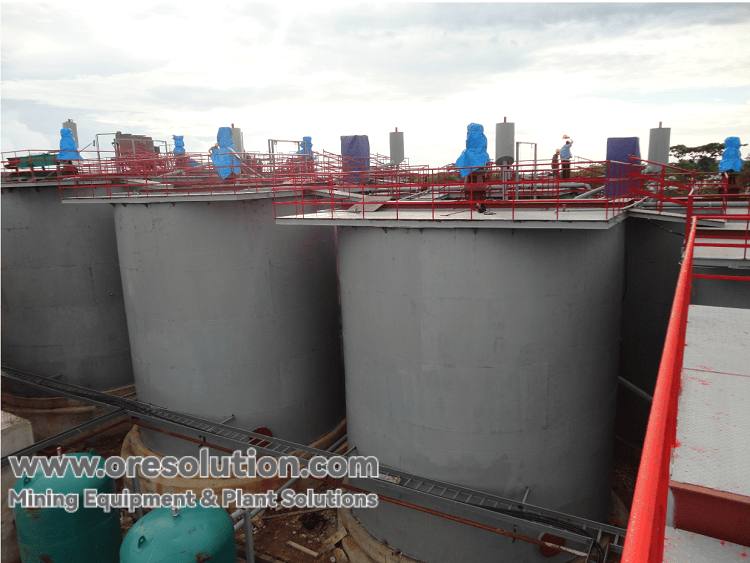
The scrubbing, magnetic separation, flotation, and acid leaching process is the longest mechanical production line for quartz sand, designed for photovoltaic and electronic-grade sand. In accordance with industry standards, this line imposes extremely stringent requirements for iron and aluminum impurities; acid leaching remains an indispensable step, and the line demands the strictest standards for equipment corrosion protection and environmental compliance.It features the most comprehensive configuration of core equipment: a scrubber, a strong magnetic separator, a high-gradient magnetic separator, a flotation cell, an acid-washing reactor, an acid-washing tank, a wash filter, a filter press, and a dryer.
Its value lies in providing a safety net: the upstream section removes most of the iron and impurities, while the acid washing section performs the final purification. The costs are also significant: it requires the highest investment, has the longest process flow, and imposes extremely strict corrosion protection and environmental requirements on the acid washing section; waste acid treatment costs are high, environmental impact assessments are difficult to pass, and the parameters of several process stages must be coordinated.Suitable for products such as photovoltaic-grade sand, electronics-grade sand, and projects with strict limits on iron and aluminum content where the upstream process fails to meet standards even after repeated testing. In this production line, the acid leaching stage itself has not been replaced; rather, the iron reduction load in the upstream stage has been reduced.
Selection Recommendations: For coarse ore and standard-grade products, choose Route 1; for fine ore and high-purity products, choose Route 2; for complex ore and photovoltaic/electronics-grade products, choose Route 3. If local chemical supply is unstable or the operating team lacks experience, proceed with caution when implementing the flotation stage. 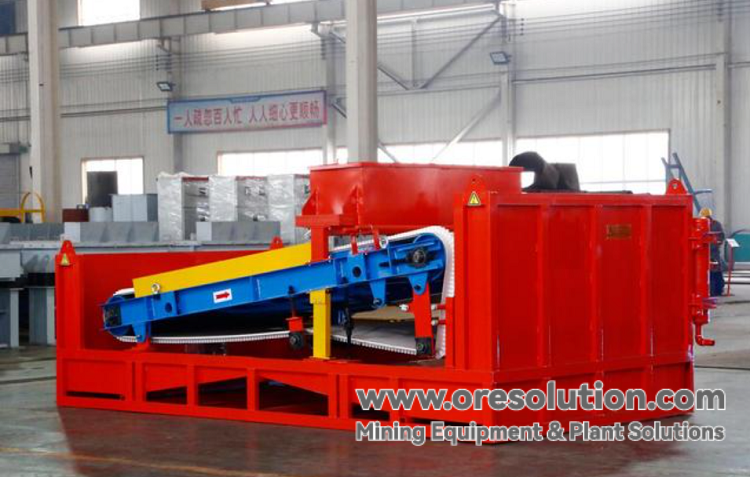
IV. Multi-dimensional Comparison: Evaluating the Three Routes Side by Side
| Dimension | Scrubbing + Magnetic Separation | Scrubbing + Magnetic Separation + Flotation | Scrubbing + Magnetic Separation + Flotation + Acid Leaching |
|---|---|---|---|
| Investment Level | Low (varies depending on configuration) | Moderate (varies depending on configuration) | Highest (varies by configuration) |
| Operating Cost per Metric Ton of Ore | Low (primarily driven by electricity consumption) | Moderate to high (chemicals are the primary cost) | Highest (reagents + acid leaching + environmental protection) |
| Recovery Rate and Grade | Depends on the ore; to be confirmed by testing | Depends on the raw ore; to be confirmed by testing | Generally more stable; to be confirmed by testing |
| Raw Ore Suitability | Coarse-grained disseminated, simple ore | Fine-grained disseminated, simple ores | Complex ores, high-purity requirements |
| Maintenance difficulty | Low (magnetic media + coil) | Moderate (with flotation reagent system) | High (multiple systems + corrosion protection) |
| Environmental Performance | Physical process; clean | Chemical residues require treatment | Acid washing waste liquid requires treatment; strict requirements |
Selection Recommendations: When reviewing the table, focus first on two rows—investment level and raw ore adaptability. The decision regarding low-iron quartz sand mechanical processing lines essentially involves balancing product positioning and compatibility; recovery rate figures must be based on your own raw ore testing. 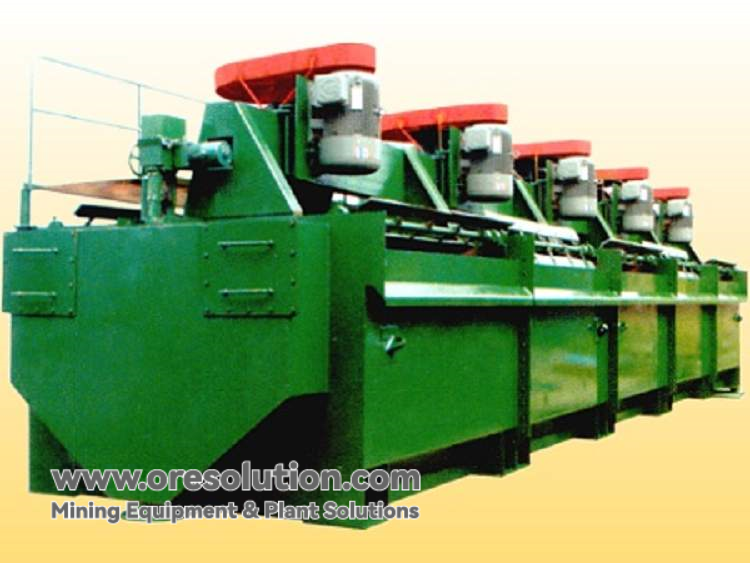
V. Common Misconceptions: Avoid Them Early
Focusing only on the quote without examining the configuration. Even for lines both labeled “scrubbing plus magnetic separation,” a single tier difference in configuration can result in a significant gap in both price and performance metrics. Before comparing prices, ensure the configuration lists are aligned.
Applying others\' performance metrics to your own ore. Recovery rates and grades are strongly correlated with the raw ore; while others\' reports can serve as a reference, you must conduct your own beneficiation tests on your specific ore.
Ignoring operational costs. Investment is a one-time expense, but operations occur every day. Calculate annual costs for reagents, electricity consumption, and acid leaching waste liquid treatment.
Misinterpreting acid leaching substitution as eliminating acid leaching entirely. For photovoltaic and electronics-grade high-purity sand, acid leaching remains unavoidable; what is being substituted is the iron-reduction load in the front end. Misunderstanding this distinction will lead to design deviations.
Underestimating operational difficulty. The flotation and acid leaching stages place high demands on the operations team; if the team lacks sufficient experience, even the best plan will fail to meet expected performance targets.
VI. How to Choose: Evaluation Criteria and Implementation Key Points
Selection depends on three factors: the properties of the raw ore, product positioning, and processing capacity. Investment focuses on the short term, while operations focus on the long term.
For coarse raw ore, standard glass sand as the target product, and tight budgets, choose a scrubbing-plus-magnetic separation process, with a configuration centered on a scrubber, magnetic separator, and dewatering screen.If the raw ore has a fine grain size, is intended for high-purity sand, fails to meet magnetic separation specifications, has a stable supply of reagents, and the team has experience operating flotation processes, choose a scrubbing, magnetic separation, and flotation process, adding a flotation machine to the configuration of Route 1.For complex raw ore, targeting photovoltaic or electronic-grade sand, with strict requirements for iron and aluminum removal, and a technical team capable of managing the coordination of multiple processes, choose a process combining washing, magnetic separation, flotation, and acid leaching. The configuration should integrate the magnetic separation, flotation, and acid leaching systems; corrosion protection and environmental protection costs for the acid leaching section should be factored into the operating budget.
In terms of implementation, a mineral processing test report is a prerequisite. The final determination of the specific process route and equipment selection must be based on the mineral processing test report for the corresponding ore; one cannot simply copy someone else\'s solution. The subsequent EPC process consists of six steps: requirements discussion, ore sample testing, proposal and quotation, equipment manufacturing, installation and commissioning, and training and after-sales service.During the installation phase, there is a model that benefits the client: the client organizes and carries out the civil engineering work independently according to the drawings, while we provide technical briefings; the client recruits local installation workers, and we dispatch on-site engineers to provide guidance, resulting in lower labor costs and greater flexibility.
Selection Recommendation: The first step in designing a mechanical processing line for low-iron quartz sand is ore characterization. Send the raw ore for process mineralogy analysis and beneficiation testing to determine the grain size distribution and the occurrence of impurities before deciding on a specific processing line. Comparing quotes without a thorough understanding of the ore is the most common source of selection errors.
VII. Conclusion: Compatibility Is More Important Than Price
Returning to the topic of mechanical processing solutions for low-iron quartz sand, each of the three iron-reduction and purification routes has its own applicable limits; no single route can handle all types of raw ore. The essence of comparing solutions is not about comparing price quotes, but about evaluating the total life-cycle cost and how well the solution aligns with the characteristics of the raw ore and the intended product.
Selecting a solution isn\'t about choosing the cheapest option—it\'s about choosing the one you\'ll least regret. The decision-making sequence must not be disrupted: first, analyze the raw ore; then, conduct beneficiation tests; next, calculate the full-lifecycle costs; and finally, determine the configuration plan.
First, analyze the raw ore; then conduct beneficiation tests; next, calculate the full-lifecycle costs; and finally, determine the configuration plan.
About Us: We provide solution selection support for low-iron quartz sand iron-reduction and purification, covering everything from ore sample analysis and beneficiation tests to mechanical line configuration and EPC turnkey projects, helping clients thoroughly evaluate the financials before finalizing a solution. We handle all stages—scrubbing, magnetic separation, flotation, and acid leaching—and tailor solutions to specific ores.
Inquiries and Partnerships: If you are selecting a mechanical processing line solution for low-iron quartz sand, please send us the ore type, expected processing capacity, and target concentrate grade. We will first conduct a preliminary assessment, then arrange ore sample testing and solution comparisons.