


Ore Production in Orogenic Gold Deposits—Analysis of High-Efficiency Mining and Mineral Processing Techniques—Professional Gold Mine Development Solutions
Analysis of
High-Efficiency Mining and Mineral Processing Technologies for Orogenic Gold Deposits
Article Overview
Orogenic gold deposits (referring to vein-type or altered rock-type gold deposits controlled by regional shear zones and occurring within metamorphic bodies) are generally classified as rock-type gold deposits, encompassing three categories: quartz vein-type, altered rock-type, and sulfide-type.The challenge in their production does not lie in any single aspect, but rather in whether mining and beneficiation can be effectively coordinated. If the properties of the mined ore change, the processing plant\'s performance metrics fluctuate accordingly; if recovery rates at the processing plant drop, even the most efficient mining operations cannot compensate for the loss.
In summary, mines of this type must overcome three key challenges: accurately mapping the ore body, selecting the appropriate mining methods, and implementing precise beneficiation processes.The following document, “Analysis of Production at Orogenic Gold Deposits—High-Efficiency Mining and Beneficiation Processes—Professional Gold Mine Development Plan,” breaks down mining and beneficiation into six sections, explaining in detail the key operational points, their importance, and common pitfalls. It can serve as a reference for on-site process comparison and plan formulation.
I. Without a Clear Understanding of the Ore Body\'s Occurrence, Everything That Follows Is a Gamble
Procedure: Prior to the pre-production design, use a combination of shaft exploration and drilling to determine the strike, dip, and thickness variations of the main ore vein. Pay special attention to marking the areas where shear zones widen, where branches converge, and the locations of later fault displacements. Production exploration must be continuously updated as mining progresses; it should not be considered complete once the feasibility study phase is finished.
Why It Matters: Ore bodies in orogenic gold deposits are controlled by regional shear zones, and veins often exhibit lens-shaped or bead-like distributions with irregular morphologies. Determining mining methods without a clear understanding of the ore body\'s occurrence is tantamount to gambling on a plan based solely on experience.At a gold mine in Jiaodong, Shandong, a mining area was designed based on regular vein bodies; however, once construction reached the branch convergence zone, the grade decline became significantly more pronounced, causing mining and processing indicators to fluctuate accordingly.
Common Mistake: Relying solely on surface trenching to infer deep-seated structures, while ignoring the pattern that dip angles become steeper with depth. A single misjudgment regarding deep-seated lateral extensions can render the entire pre-production mining project obsolete; such losses are particularly difficult to recover from in mountainous mines.
II. Mining Methods: Follow the Ore Body\'s Geology, Not Habit
Practice: For gently dipping, thin veins, prioritize the shallow-hole reserve method or the wall-trimming backfill method; for thicker, expanded sections, switch to the sublevel stoping method; and apply backfill above fractured roof sections. Two methods may be used in succession within the same mining face, with transition zones requiring specialized design.
Common Mistakes: Applying a single method throughout the entire mine—forcing the “ore-leaving method” even in expanded zones—leads to large amounts of ore remaining in the stopes, resulting in high costs for secondary recovery later on.
Why It Matters: The host rock in orogenic gold deposits is predominantly schist and phyllite, with stability ranging from moderate to low. Choosing the wrong method leads to simultaneous increases in dilution and loss rates; the mined ore grade becomes diluted, and no matter how large the processing capacity of the concentrator, it is difficult to compensate for this.
III. Leaching Rate Management: The Checkpoint Between Mining and Mineral Processing
Procedure: Define the boundaries of the mining area based on grade rather than the geometric boundaries of the vein; control the charge quantity in the edge holes through blast design; during ore discharge, visually grade the ore for waste rock contamination; trucks exceeding the limit should be stored separately and not sent directly to the concentrator\'s ore bin.
Why It Matters: The boundary between ores in orogenic gold deposits and the surrounding rock is often gradual, making it difficult to distinguish with the naked eye. As the dilution rate rises, the grade of ore entering the concentrator is diluted, putting pressure on recovery performance. Why do mining and processing metrics often seem to operate in silos? The root cause usually lies in the mining area, not in the processing plant.
Common mistake: Evaluating only mining volume without considering the dilution rate; mining sites blast away gangue along with the ore to meet production targets. While short-term output looks good, the processing plant\'s throughput and specific chemical consumption both rise.
IV. Crushing and Grinding Process: Treat Different Zones Based on Ore Hardness
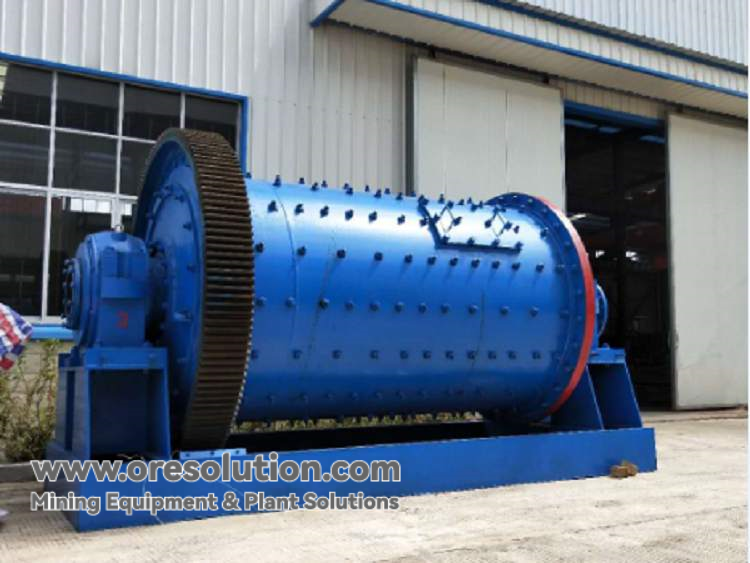
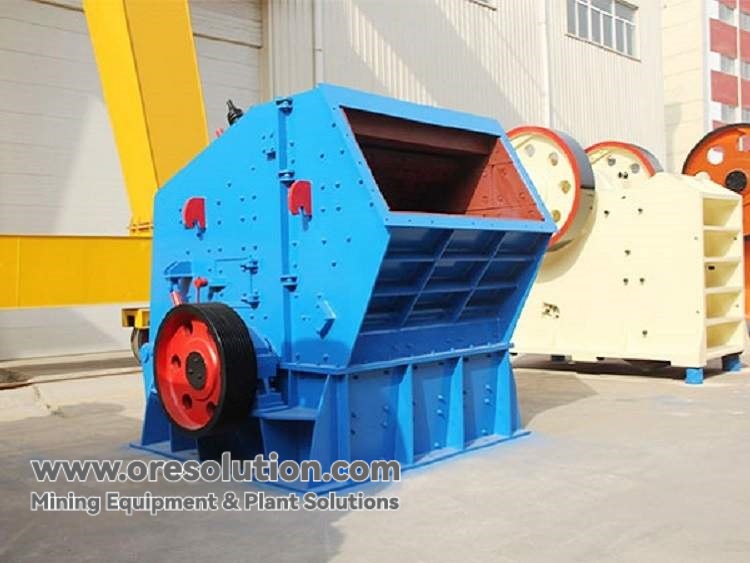
Operation: Take representative ore samples from different sections of the main ore body to determine the Bond Work Index (a parameter measuring the difficulty of ore grinding), and stack the ore by hardness zone; set up a homogenization stockpile before the mill feed to mitigate the impact of hardness fluctuations on the mill.
Why It Matters: In orogenic gold deposits, the mineralized host rock ranges from quartz veins to altered schist, exhibiting significant variations in hardness. Sudden fluctuations in hardness make it difficult to maintain a consistent grinding fineness, which in turn affects subsequent leaching or flotation processes.After a processing plant in the Xiaoqinling Mountains of Henan Province added a ore blending stockpile upstream of the mill, fluctuations in grinding fineness narrowed, and process stability improved.
Common Mistake: Using the same grinding parameters year-round without adjustments even when ore properties change. This leads to increased consumption of mill liners and steel balls, while grinding fineness remains unguaranteed. In orogenic gold deposits, the grain size distribution of gold-bearing minerals is often uneven; over-grinding can cause free gold to become sludged, resulting in losses for both gravity separation and leaching.
V. Beneficiation Process: Determine the Gold Occurrence Type First, Then Select the Process Route
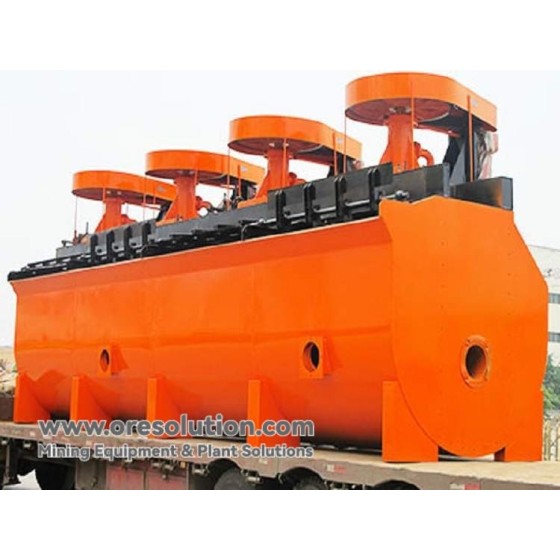
Orogenic gold deposits are classified as rock-type gold deposits in terms of processing, and their recoverability varies greatly. There are several common processing routes; the choice depends on the ore characteristics, not on convention.
Approach 1: Begin with process mineralogical identification. Determine whether gold is primarily in a free state, enclosed within pyrite or arsenopyrite, or adsorbed onto carbonaceous material, while also assessing the grain size of the gold distribution. Without this step, all subsequent decisions will be based on guesswork.
Approach 2: Select the process based on the form of gold occurrence.
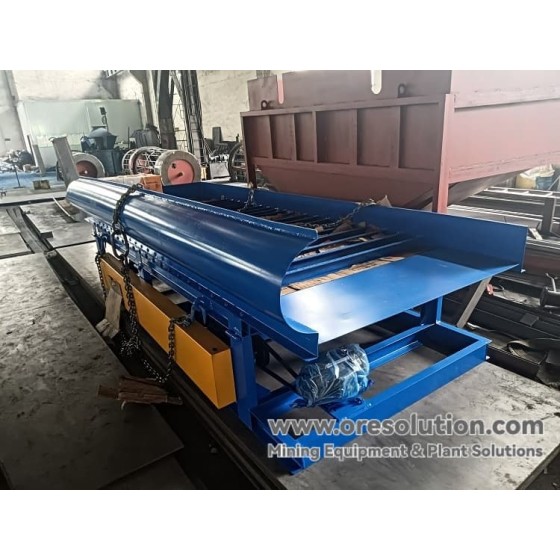
- Predominantly coarse-grained free gold: A single gravity separation process allows for early recovery. A combination of jigging, shaking tables, and centrifuges results in a short process flow and relatively low investment.
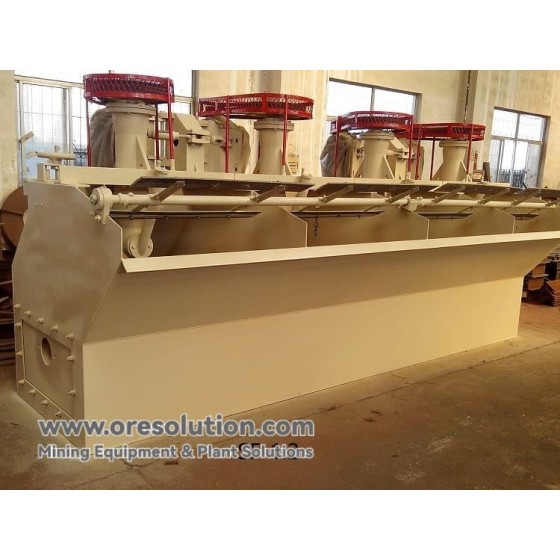
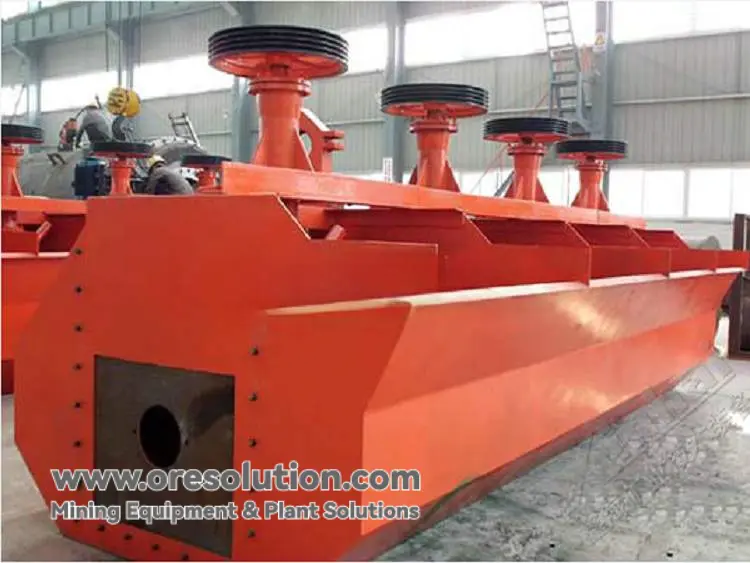
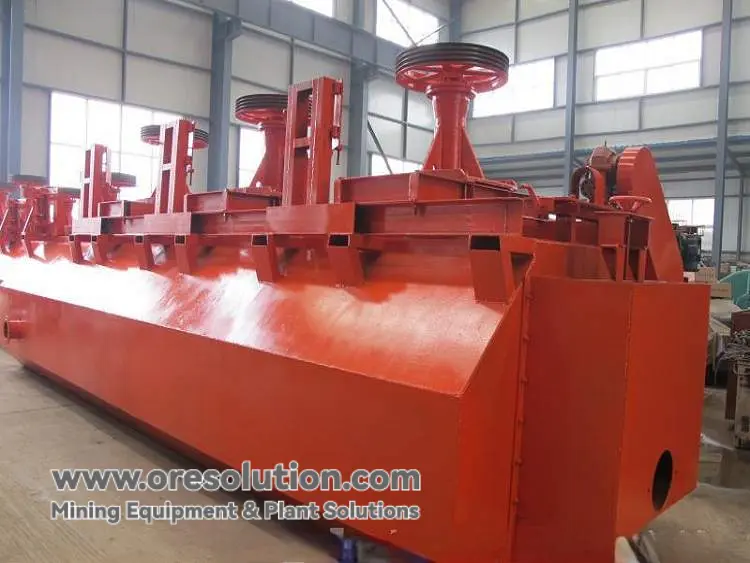
- Gold predominantly enclosed in sulfide ores: Use single-stage flotation to concentrate the gold into the sulfide concentrate, then determine subsequent processing.
- Fine-grained oxidized ore: Use a single leaching process, such as carbon-in-leach (CIL) or carbon-in-pulp (CIP).
- Coexistence of coarse and fine grains: Combine gravity separation with flotation—recover coarse grains early via gravity separation and process fine grains via flotation.
- Re-processing of flotation concentrates: A combined flotation and leaching process, involving regrinding and leaching of the concentrate or leaching of the tailings.
- Oxidized ore containing coarse-grained gold: Whole-ore cyanidation combined with gravity separation.
Step 3: Treat difficult-to-process gold ores separately. For “triple-difficulty” ores containing arsenic, carbon, and copper, conventional cyanidation often yields limited results. Pilot testing is required to determine the appropriate pretreatment route—roasting, bio-oxidation, pressurized oxidation, or specialized reagents. Each of these four routes has specific application conditions and should not be applied blindly.
Why It Matters: The occurrence of gold in orogenic gold deposits can vary across different ore bodies and levels. If the processing route does not match the occurrence pattern, recovery rates cannot be adequately compensated for by simply adjusting reagent formulations. For projects of this type, selecting the correct processing route takes precedence over using advanced equipment.
Common Mistakes: Blindly copying the process flow from a neighboring mine while omitting a process mineralogical assessment of the specific deposit. Frankly, this is the most common pitfall, and it often isn\'t exposed until trial production begins.
VI. Tailings and Reclaimed Water: Full-Cycle Planning Cannot Be Made Up Later
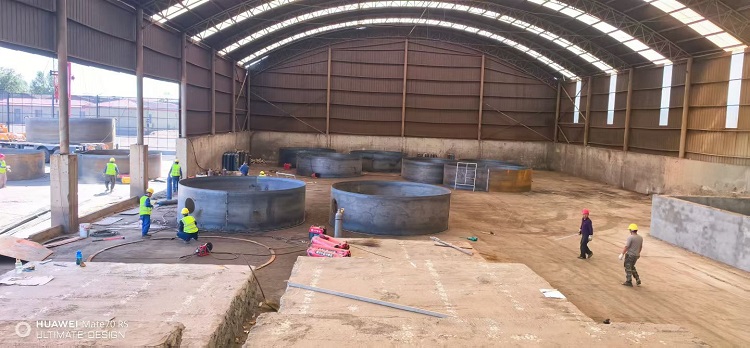
Procedure: Plan tailings pond capacity based on the full life-cycle service period; set the tailings water recovery rate target in accordance with local water resource conditions; transport leaching tailings water via a separate pipeline and do not mix it with flotation tailings water.
Why It Matters: Orogenic gold deposits are often located in mountainous regions, where tailings pond siting is constrained; expanding capacity later is difficult and costly. Insufficient water recovery rates drive up the cost of fresh water, and cyanide-containing return water mixed into the flotation system may also interfere with the reagent regimen.
Common Mistakes: Tailings pond design is often retrofitted after production begins, resulting in insufficient capacity and low safety margins. If land acquisition in mountainous areas hits a snag, the entire process must be revised accordingly.
VII. Why Do Mining and Processing Metrics Always Fail to Match? Three Common Causes
First, performance metrics are assessed separately. Mining operations are evaluated based on dilution rates, while processing plants are evaluated based on recovery rates; with no one in between taking responsibility for the “processability of the mined ore,” the metrics are naturally calculated independently.
Second, the ore blending process is missing. Differences in ore hardness and grade across different sections are not homogenized, causing the properties of the feed to the processing plant to fluctuate several times a day, making it impossible to stabilize process parameters.
Third, delayed information feedback. By the time the processing plant detects abnormal grades in the feed, the mining area has often advanced through multiple cycles, making it difficult to pinpoint the source of the problem.
Unless these three issues are resolved, relying solely on adjusting reagents or replacing equipment will yield limited results. Stable production indicators at orogenic gold mines require seamless integration of mining and processing information.
VIII. Frequently Asked Questions
IX. Integrated Mining and Beneficiation Evaluation: An Often-Overlooked Step
Mining operations evaluate dilution rates, while processing plants evaluate recovery rates; if no one in between takes responsibility for the “processability of the mined ore,” these metrics will be calculated in isolation from one another.In my experience, establishing a joint mining and beneficiation indicator that links grade and recovery rate is more effective than each party managing only its own segment. This linkage mechanism should be clearly defined during the gold mine development plan formulation stage, rather than being added after production begins.
A common practice is to include the ore grade and dilution rate from the mining face, along with the feed grade and recovery rate from the processing plant, in a single performance evaluation table. Actual values are compared against planned values on a monthly basis, and when deviations exceed limits, both mining and processing teams jointly analyze the causes. Threshold values for these indicators should be determined based on the specific resource conditions and process characteristics of the mine and should not be copied verbatim.
X. Key Differences Across Development Stages
Transition from Exploration to Feasibility Study: The focus is on controlling the ore body\'s orientation and conducting process mineralogical identification to thoroughly understand the ore body\'s morphology and gold occurrence patterns, thereby providing a basis for process selection.
Construction Phase: The focus is on the zonal design of the crushing and grinding process, ore blending facilities, and tailings pond planning, as modifications to these aspects later on are costly.
Production Phase: The focus is on managing dilution rates, conducting integrated mining and processing evaluations, and dynamically adjusting process parameters; the stability of performance indicators depends on daily management.
As the stages differ, so do the key considerations for orogenic gold mine production; planning documents should be tailored accordingly.
XI. Quick Checklist
You can use this checklist to compare each item against on-site conditions:
- Does the degree of control over the ore body\'s orientation meet the requirements of the mining and stoping design?
- Is the mining method appropriately matched to the ore body\'s morphology by zone?
- Has the dilution rate been incorporated into the mining area performance evaluation system?
- Have zone-specific stockpiling and ore blending for homogenization been implemented?
- Does the process mineralogical characterization cover all mining levels?
- Does the beneficiation flow sheet match the gold occurrence pattern?
- Have pre-treatment routes for difficult-to-process ores been determined through testing?
- Is the tailings pond capacity and water recirculation system accounted for over the entire life cycle?
- Has a linked performance evaluation system been established for integrated mining and beneficiation indicators?
- Does the depth of small-scale testing support the selection of the processing flow sheet?
About Us
We specialize in diagnosing mining and beneficiation processes for orogenic gold deposits. Our services include verification of geological conditions, comparison of mining methods, evaluation of beneficiation flowsheets, and optimization of performance indicators, all based on field data. If your mine is experiencing fluctuating performance indicators or recovery rates that fall short of expectations, please submit your basic information, and we will assist in identifying the problem areas.
This “Analysis of Production, Efficient Mining, and Beneficiation Processes for Orogenic Gold Deposits—Professional Gold Mine Development Plan” can be used as a field checklist.Ultimately, the stability of production indicators in orogenic gold mines depends on whether mining and beneficiation are properly aligned—this is the core question that the entire gold mine development plan must address. As for where to begin, this depends on the stage of the mine\'s development and the extent to which existing data supports the process. If you would like to learn more about process diagnostics and plan formulation, please submit your request.
OreSolution · Process Diagnosis and Plan Development for Orogenic Gold Mines