


Silica Sand Acid Leaching and Purification Process and Production Line Configuration: A Comprehensive Analysis from the Acid Solution System to Full-Scale Implementation
Depending on the purity grade of quartz sand, acid washing processes and production line configurations vary significantly. The acid systems, reactor materials, and waste liquid treatment capacities required for producing slab-grade sand and photovoltaic-grade sand are in entirely different leagues.The acid leaching and purification process for silica sand, as well as production line configuration, must be considered holistically in light of the raw sand conditions, target purity, and environmental requirements. Focusing solely on a single piece of equipment or a specific acid can easily lead to neglecting other critical factors. Below, we\'ll start with the acid system and break down the process layer by layer, culminating in the overall line layout and implementation methods.
Article Overview
- The acid system determines the upper limit of impurity removal; a mixed-acid system typically outperforms a single-acid system
- Reactor material and heating methods affect equipment lifespan and operating costs
- Production line configuration forms a closed-loop system centered on “feeding—acid leaching—deacidification—water washing—wastewater treatment”
- The process route must be determined by mineral processing tests; generic formulas cannot be applied
The Role of Acid Leaching and Purification in Quartz Sand Processing
Quartz sand purification follows two routes: physical and chemical. Scrubbing, magnetic separation, gravity separation, and flotation are forms of physical purification, primarily removing individually dissociated impurity minerals and surface deposits. Acid leaching is a form of chemical purification that achieves deep impurity removal through chemical reactions between the acid solution and impurities.
The division of labor between the two is quite clear. Physical purification is effective against impurities on the particle surface but has limited effect on iron, aluminum, potassium, and sodium trapped within the quartz crystal lattice or in fissures. The acid washing purification process for silica sand can handle these impurities, but at the cost of higher expenses and the need for waste liquid treatment.In actual production lines, these two methods are often used in combination: physical purification is performed first to remove most impurities, followed by acid washing to achieve deep impurity removal. A combined process involving scrubbing, magnetic separation, flotation, and acid washing is relatively common in high-purity quartz sand production lines.
The decision on whether to include acid washing depends primarily on two factors: the proportion of inclusions in the raw sand and the target product\'s requirements for iron and aluminum content.In cases where surface iron is the primary impurity and purity requirements are not high, physical purification combined with mild acid washing is sufficient; in cases with abundant inclusional impurities and high target purity, acid washing is an indispensable step. This determination cannot be made based on experience alone but must be grounded in the results of mineral sample analysis.
How to Select an Acid Solution System
Oxalic acid was the first acid leaching agent to be widely used. It reacts with iron oxide to form soluble iron oxalate complexes, which are effective at removing surface iron contamination.Oxalic acid is relatively safe to handle, and the treatment of its waste liquid is moderately difficult. Its limitation lies in its limited effect on impurities inside the inclusions; it is difficult to reduce the iron content to very low levels using oxalic acid alone.
Hydrofluoric acid operates through a different mechanism. It dissolves silicon dioxide on the quartz surface, forming microscopic etched channels on the particle surface that expose the inclusions. Its dosage must be strictly controlled; excessive amounts can lead to over-dissolution of the quartz itself, affecting particle size and yield.
In actual production, mixed acid systems are commonly used.A combination of nitric acid, hydrochloric acid, and hydrofluoric acid is common: hydrofluoric acid opens pathways to the inclusions, while hydrochloric acid and nitric acid dissolve metal oxides; oxalic acid or other complexing agents chelate free iron ions to prevent their re-precipitation in subsequent processes.This synergistic effect is key to improving impurity removal efficiency.
There is no universal formula for the proportions. When surface iron is the primary impurity, the proportion of oxalic acid can be appropriately increased; when there are many inclusional impurities, hydrofluoric acid is indispensable, but its dosage must be carefully controlled.The general principle is to minimize the use of hydrofluoric acid as much as possible while achieving the target purity, thereby reducing environmental impact and equipment corrosion. The specific types of acids, their concentrations, and the sequence of addition must be determined through mineral processing tests; formulations from other mining sites cannot be directly applied.
Temperature, Time, and Agitation Conditions
The acid leaching reaction is temperature-sensitive. At room temperature, the reaction rate between oxalic acid and iron oxide is slow, prolonging the production cycle.Moderately increasing the temperature can significantly accelerate the reaction; however, excessively high temperatures lead to problems such as increased acid vaporization, a heavier burden on acid mist treatment systems, and accelerated equipment corrosion. The temperature is typically controlled within a range that balances efficiency and cost, with specific values determined based on the acid system.
Reaction time also requires careful consideration. Insufficient time results in incomplete leaching of impurities; excessive time increases energy consumption, reduces production capacity, and may also affect particle size. In production, reaction time is often adjusted in conjunction with acid solution concentration, temperature, and agitation intensity.
Agitation or fluidization operations must not be overlooked. The acid solution must maintain constant contact with fresh quartz surfaces, and reaction products must be promptly removed from the particle surfaces; otherwise, a product layer will form, hindering further reaction.Moderate agitation promotes uniform reaction, but excessive agitation can intensify particle friction, leading to over-grinding. The degree to which these conditions are balanced directly determines the lower limit of acid washing effectiveness and constitutes parameters that must be verified individually through testing during process design.
Selection of Reactors and Core Equipment
The reactor is the core equipment in a silica sand acid washing and purification production line; its material and structure directly affect equipment lifespan and operational stability.
The reactor vessel body typically uses carbon steel or stainless steel as the pressure-bearing layer, lined with acid-resistant material. The selection of the lining requires comprehensive consideration of acid resistance, temperature resistance, and installation difficulty. PTFE linings offer excellent corrosion resistance but are relatively expensive; PP linings are less expensive but have a relatively limited upper temperature limit.Selection should be based on a comprehensive assessment of the type of acid solution, reaction temperature, and budget.
The primary heating methods are jacket heating and electric heating. Jacket heating using thermal oil provides uniform temperature distribution and is suitable for larger-volume reactors; electric heating has a relatively simple structure and is more commonly used in small- and medium-sized production lines. The heating method affects energy consumption patterns and temperature control accuracy and must be considered in conjunction with local energy conditions.
There are also multiple options for agitation types. Paddle agitators are suitable for large-volume reactors, but the shaft seal is a weak point that requires regular maintenance and replacement. Rotary reactors have fewer sealing points and a lower risk of acid mist leakage, but larger-scale units require higher drive power. Both types have their respective applications, and neither is inherently superior to the other.
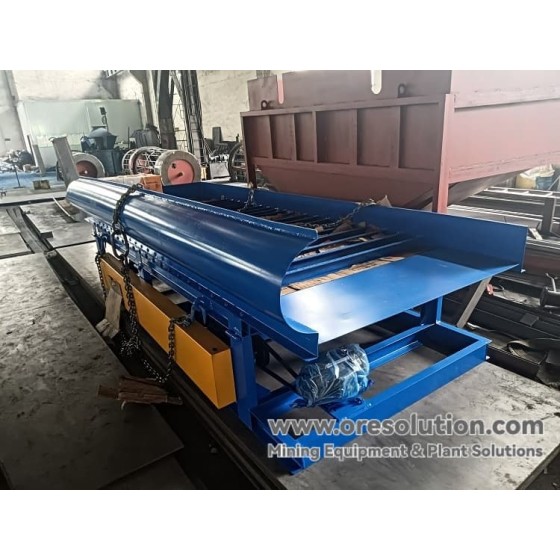
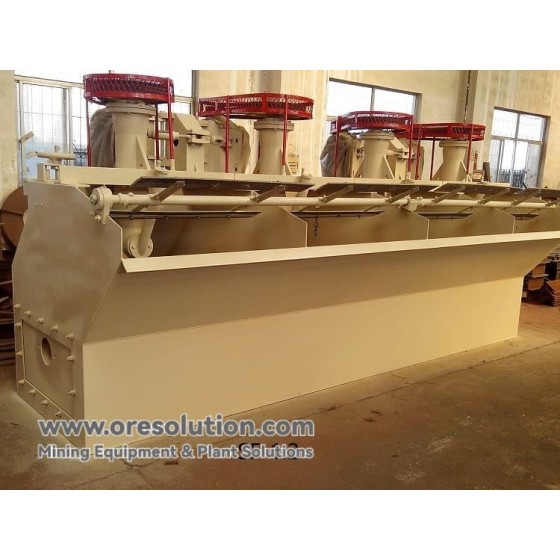
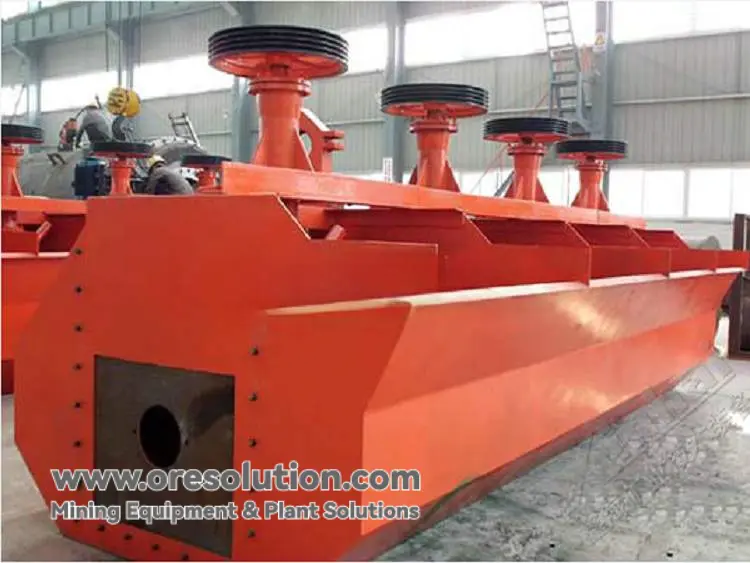
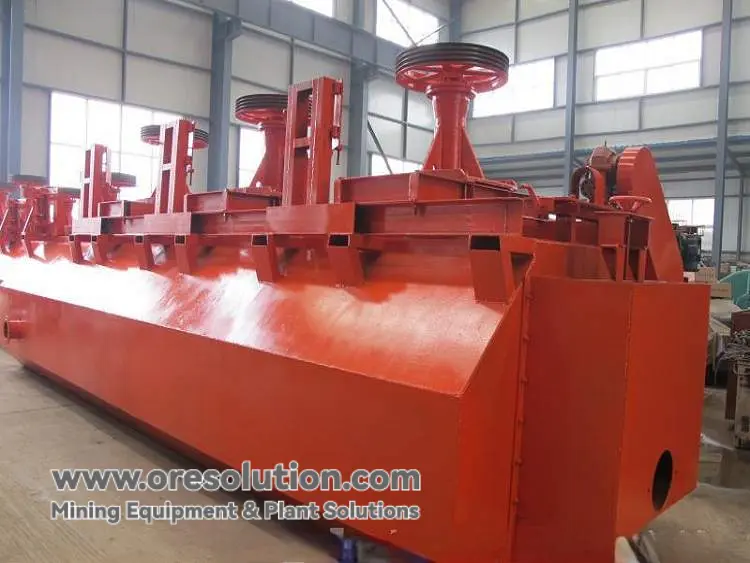
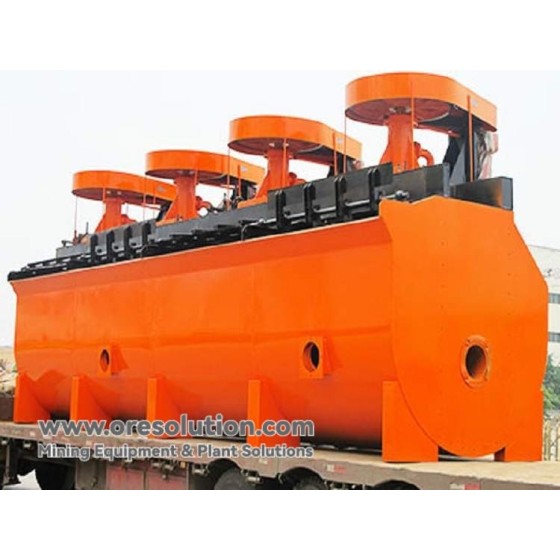
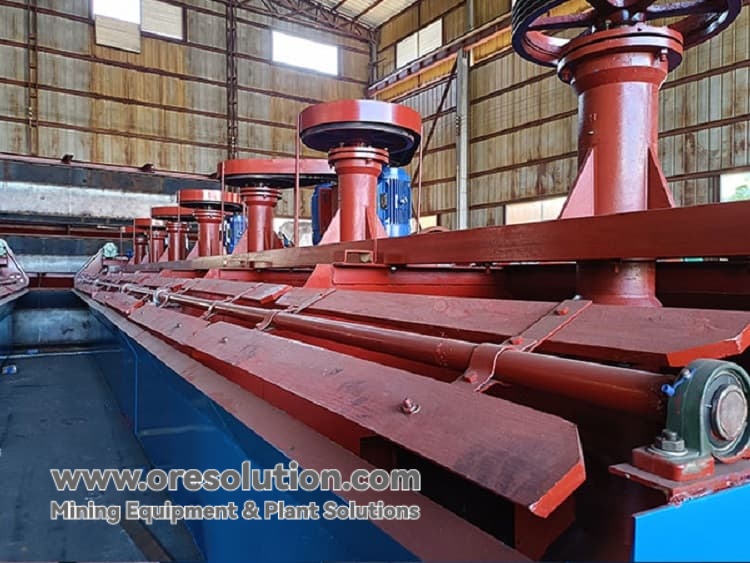
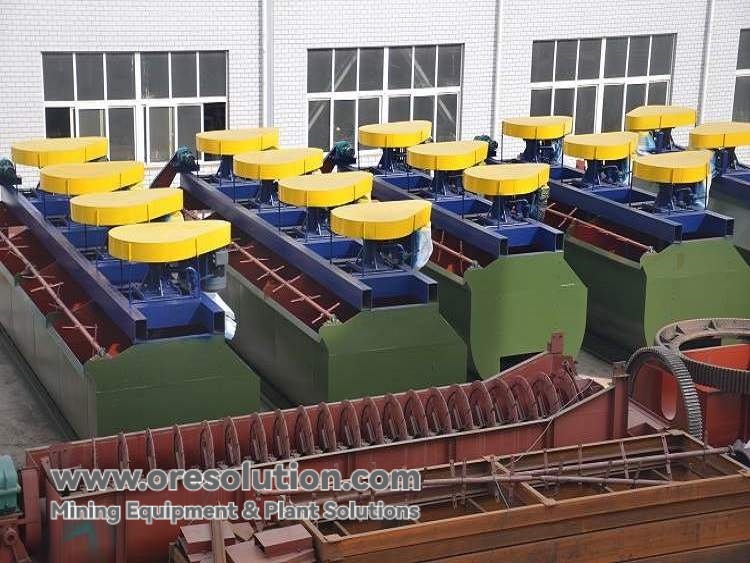
In addition to the reactor, the entire production line involves auxiliary equipment such as scrubbers, strong magnetic separators, flotation machines, dewatering screens, filter presses, and drying systems. Ensuring that the processing capacities and particle sizes of the equipment are properly matched is more important than simply selecting individual pieces of equipment that are more advanced.
What Are the Components of an Acid Washing Line?
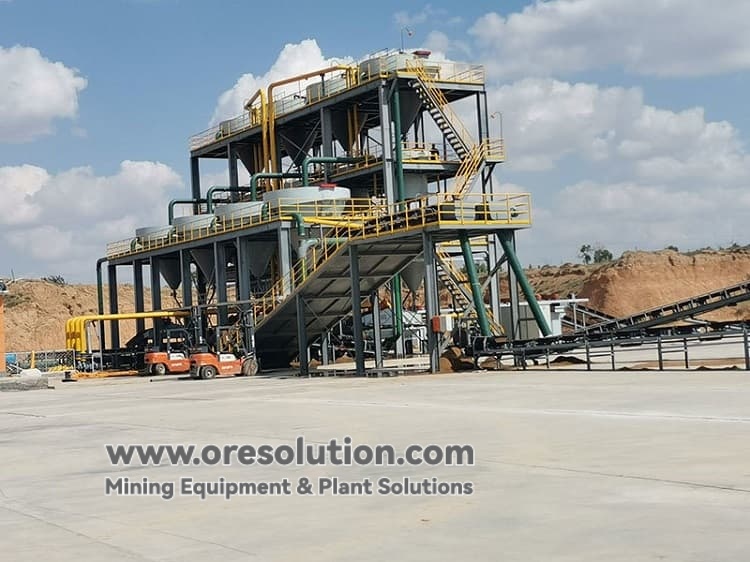
When these processes are linked in series, a typical silica sand acid washing and purification production line generally includes the following stages.
Raw sand is fed into the reactor after being measured by a weighing feeder. The accuracy of this measurement directly affects the precision of the acid-to-sand ratio and is a fundamental step in ensuring batch consistency.
Sand and acid solution are added to the reactor in the specified proportions, heated to a set temperature, and allowed to react for a certain period under stirring or rotary conditions. Acid fumes are vented from the top of the reactor, absorbed by a spray of alkaline solution, and discharged after meeting emission standards.
After the reaction is complete, the acid solution is separated from the sand via vacuum filtration or pumping. The separated acid solution is transferred to a storage tank, where fresh acid is added before it is recycled for reuse. The acid recovery rate directly affects the acid consumption cost per metric ton of sand and must be given priority consideration during the production line configuration phase.
The quartz sand, after acid removal, still contains residual acid and must be washed with clean water and neutralized with an alkaline solution until it reaches a neutral pH. The wash water is collected and fed into the wastewater treatment system.
After washing, the refined sand passes through dewatering equipment to reduce its moisture content, then enters drying equipment to be processed to a moisture level below the specified limit, after which it is stored or packaged.
Acidic wastewater enters an equalization tank for homogenization; neutralizing agents are added to adjust the pH. After sedimentation, the supernatant is reused, while the sludge is dewatered via filter press and transported off-site for disposal. Against the backdrop of increasingly stringent environmental regulations, this process has become an indispensable component of the configuration for silica sand acid washing and purification production lines.
The various stages of this production line are not fixed templates. When the raw sand has a high clay content, a preliminary washing and de-silting step is required; when inclusions are present, additional pretreatment or a secondary acid washing may be necessary. The specific number of processing stages is determined by test results.
The Effect of Acid Washing on Quartz Particle Size
During the acid washing process, the particle size distribution of quartz may change. There are two primary causes: dissolution of the quartz surface by the acid solution and friction between particles during agitation.
Particle size changes caused by dissolution are typically minor, especially when the use of hydrofluoric acid is properly controlled. Over-grinding caused by agitation warrants greater attention. The higher the agitation intensity and the longer the reaction time, the more pronounced the increase in the fine particle fraction becomes.For applications with strict requirements on particle size distribution, production line configurations should consider optimizing the agitation method and incorporating appropriate desliming or classification steps after acid washing.
Another approach to controlling particle size variation is to pre-classify the raw sand before acid washing, separating excessively fine fractions in advance to prevent them from becoming finer during the acid washing process.For minerals such as cassiterite and tungsten ore, which are brittle and prone to overgrinding, the industry generally follows the principle of “early liberation, early recovery”; the approach to particle size control in quartz sand acid washing is consistent with this principle.
Waste Liquid Reuse and Environmental Compliance
The treatment of acid-washing waste liquid is an indispensable step in the silica sand acid-washing and purification process. Waste liquid primarily consists of recovered acid generated during the deacidification process and acidic wastewater produced during the washing process.
The concentration of metal ions dissolved in the recovered acid increases with each recirculation cycle. The reuse ratio must be carefully controlled; otherwise, it will affect the impurity removal efficiency of subsequent batches. Some production lines are equipped with acid purification units that remove certain metal ions through adsorption or precipitation to maintain the acid\'s activity.
Acidic wastewater is typically treated using neutralization and precipitation methods. Lime or caustic soda is added to adjust the pH, causing metal ions to form hydroxide precipitates. The supernatant is either reused or discharged after meeting regulatory standards, while the sludge is transported off-site for disposal after being dewatered via filter press.As environmental protection requirements become stricter, some production areas have set higher standards for wastewater reuse rates; therefore, corresponding treatment capacity must be factored into production line design.
For production lines using hydrofluoric acid, special attention must be paid to the treatment of fluoride-containing wastewater. Fluoride ions require specialized treatment to meet discharge standards, and these costs should be factored into the planning phase of the production line. Equipment corrosion protection and environmental compliance are two critical requirements that distinguish high-purity quartz sand acid washing lines from conventional mineral processing lines.
Process Adaptation for Different Types of Raw Ore
Quartz sand from different mining sites varies significantly in impurity content and occurrence conditions, requiring corresponding adjustments to the silica sand acid washing and purification process and production line configuration.
For raw sand primarily contaminated with surface iron, acid washing is relatively straightforward; a process using oxalic acid alone or oxalic acid combined with a small amount of hydrofluoric acid is sufficient to meet requirements. The reactor volume can be appropriately reduced, batch processing times are relatively short, and the wastewater treatment system can also be simplified accordingly.
For raw sand primarily contaminated with inclusions, a stronger acid system and longer reaction times are required. The amount of hydrofluoric acid used depends on the degree of inclusion development, and the reactor material and acid mist treatment system must also be correspondingly reinforced.
Raw sand with high iron and aluminum content may require multiple acid leaching cycles or the incorporation of pretreatment processes.Some production lines employ a roasting-water quenching pretreatment to induce microcracks in the inclusions before proceeding to the acid leaching stage, thereby improving impurity removal efficiency. Production lines utilizing this combined process have a more complex configuration, and equipment investment and operating costs increase accordingly.
The properties of the ore determine the process route—a principle that equally applies to quartz sand. The size of the embedded particles, the types of associated minerals, and the state of impurities—each of these factors influences the final process design, and no single configuration can be universally applied to all ore deposits.
What We Can Do for You
OreSolution positions itself as a mining partner, with operations spanning five major sectors: metal ores, non-metal ores, precious metal ores, sand deposits, and the comprehensive utilization of tailings and solid waste. Quartz sand is one of the key mineral types within the non-metal ores segment. Regarding the acid leaching and purification process for silica sand and production line configuration, we can provide the following support:
Preliminary Mineral Processing Tests: We adhere to the principle of “test first, design later.” Through ore sample analysis, we determine the distribution of impurities and the ore\'s processability, providing a data foundation for the process route and avoiding the rigid application of generic formulas.
Integrated Process Design: For the removal of iron and purification of quartz sand, we can combine various separation principles—such as scrubbing, magnetic separation, flotation, and acid leaching—and configure the number of process stages based on the characteristics of the raw sand.
Equipment Manufacturing: We possess the capability to manufacture core equipment such as scrubbers, high-intensity magnetic separators, flotation cells, acid leaching reactors, and dewatering and drying systems, ensuring that the process and hardware are well-matched.
EPC Turnkey Services: From mineral processing tests, process design, equipment manufacturing, installation, and commissioning to personnel training, all tasks are completed by a single team, reducing schedule delays and liability issues arising from coordination among multiple suppliers.
Environmental Protection and Resource Recovery Approach: We provide integrated solutions for waste liquid treatment and tailings reuse, balancing compliance with discharge regulations and resource recovery.
Global Project Support: With international project experience, we provide bilingual technical coordination, on-site installation guidance, and personnel training.
The final design of the silica sand acid leaching and purification process and production line configuration depends on the analytical data of the raw sand and the target product specifications. If you require process route analysis and production line configuration recommendations tailored to a specific mine site, please submit a mineral sample analysis report and product purity requirements. We will conduct mineral processing tests based on this information and provide a customized solution.
OreSolution · Silica Sand Acid Leaching and Purification Process and Production Line Configuration