


Suppliers of Mineral Processing Solutions and Complete Equipment Sets for Free Gold Treatment
First, let\'s cover three key points:
-
The core of a mineral processing plan for free gold is to liberate gold particles from the gangue and then capture them using appropriate separation methods.
-
The value of a turnkey equipment supplier lies not in the length of the equipment list, but in whether the equipment configuration aligns with the processes and parameters specified in the test reports.
-
Testing must be conducted first to provide a solid basis for the plan and ensure that equipment selection is not based on guesswork.
Free gold beneficiation testing, process design for rock gold ore, and the provision of a complete set of beneficiation equipment are sequential steps in a single process; this article will explain them in that order.
The challenge in processing free gold lies in the very word “free”
Free gold sounds simple—the gold has already been separated from the gangue, so isn\'t it just a matter of recovering it? Anyone who has actually done this knows that things aren\'t that straightforward.
The problem lies in particle size. The particle size distribution of free gold can vary widely. While heavy media separation can capture a significant portion of the coarse particles, fine and ultrafine particles cannot be retained by this method, and flotation may not fully recover them either—ultimately, leaching is needed to make up for the shortfall.If you haven\'t even figured out which particle size range the gold in the ore actually falls into, your process design is essentially a guess.
There\'s another point that\'s easily overlooked—the surface condition and occurrence characteristics of the gold. Even among free gold, some have clean surfaces, some are coated with iron oxides, and some are embedded at the edges of sulfides. These differences directly determine whether you should use gravity separation, flotation, leaching, or a combination of these methods.
In the free gold projects I\'ve worked on, whenever a plan was finalized without conducting pilot tests, the subsequent process almost always required repeated adjustments.If you haven\'t even figured out where the gold is or in what form it exists, no matter how comprehensive your equipment list is, it won\'t match the ore. The first step in a reliable free gold processing and beneficiation plan is to understand the ore—not to list equipment.
Rock-hosted gold and placer gold require different approaches
When processing free gold, it is essential to first distinguish the ore type, as the starting points for rock gold and placer gold are vastly different.
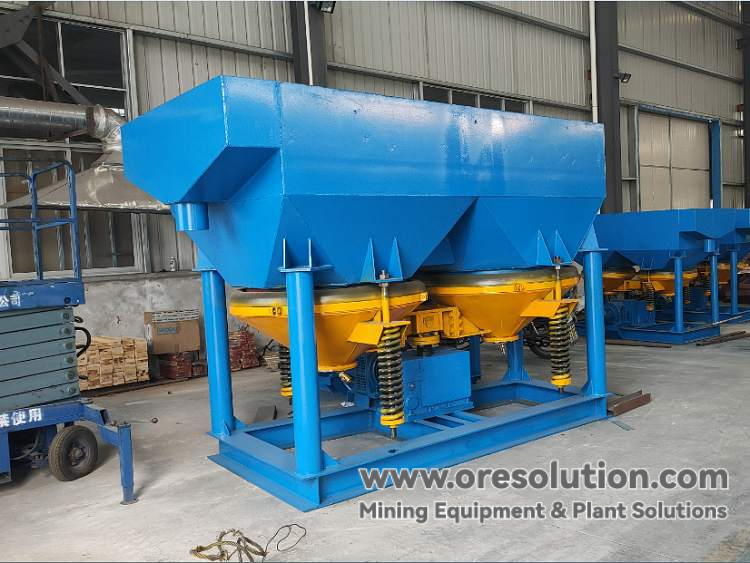
Rock gold deposits are classified into quartz vein, altered rock, and sulfide types. Coarse-grained free gold is best processed by gravity separation, with jigging followed by shaking tables for early recovery; gold encapsulated in sulfide ores is processed by flotation; and fine-grained oxidized ores are treated with CIL/CIP carbon-in-leach and carbon-in-pulp processes.For difficult-to-process gold ores containing arsenic, carbon, or copper, conventional cyanidation is not suitable; pretreatment tests must be conducted first. Whether to choose roasting, biological oxidation, or pressurized oxidation depends on the test results.
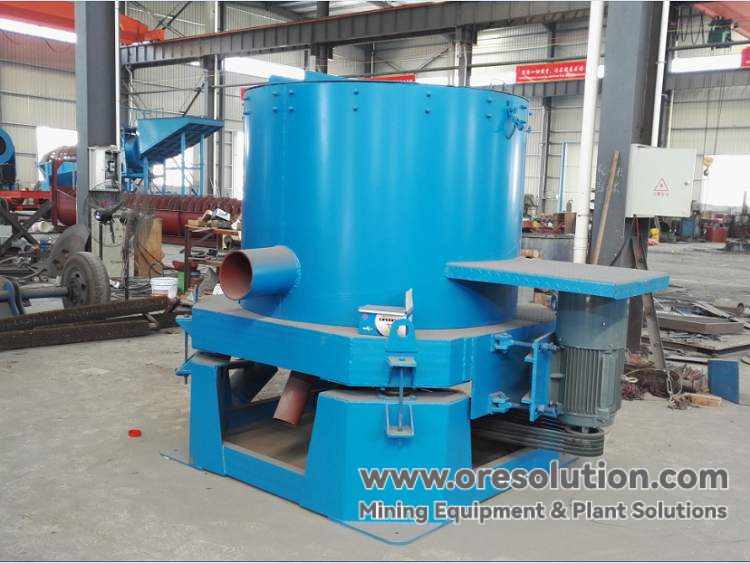
In placer gold deposits, where the gold is already liberated as free particles, crushing and grinding are unnecessary, and gravity separation is the only method. Chute roughing is followed by jigging and shaking table for concentration; if fine-grained gold is abundant, a centrifuge is added for scavenging. For dispersed ore deposits, mobile processing units may be considered.
If the ore type is misidentified, the entire subsequent equipment configuration will be incorrect. This is why it is essential to assess the ore type and occurrence conditions before conducting tests.
Skipping test runs may save money now, but you\'ll end up paying double for it sooner or later.
To be honest, the investment in mineral processing tests accounts for only a small fraction of the total production line budget. Yet its leverage effect is staggering.
I\'ve seen cases where a mine directly copied a neighboring mine\'s process; once the equipment was delivered, installed, and started up, the performance fell far short of expectations.Even if the ore properties appear similar at first glance, slight differences in actual mineral composition, grain size distribution, or clay content can lead to vastly different results. If you have to go back and conduct additional tests or modify the process at that point, the cost of dismantling and modifying the equipment will be several times higher than the initial investment in testing.
The value of free-gold beneficiation testing lies in eliminating “uncertainties” up front. By spending a sum on a set of systematic tests, you gain a well-founded process design, defined boundaries for reagent regimens, specific parameters for equipment selection, and a clear understanding of investment risks. Compared to installing equipment directly, this approach significantly reduces a substantial portion of the investment risk.
In my experience, the more people think they “know the business,” the more likely they are to skip the testing phase. On the other hand, mine owners who\'ve learned from past mistakes make sending samples the very first thing they do when launching a new project.
There\'s a right way to send mineral samples
Whether a test yields accurate results depends half on the ore sample.
It\'s common for people to casually pack a bag of ore and send it over, simply labeling the bag “gold ore” and calling it a day. Results from such samples can only serve as a reference—not as a basis for decision-making. Without sufficient representativeness, even the most impressive data is meaningless.
The requirements for ore samples are actually quite straightforward: they must be representative of the ore properties in the first few mining sections of future production, covering a range of lithology, grade, and degree of oxidation. Samples from different sections and veins should ideally be packed separately, with the sampling location and number clearly marked. Each sample typically weighs between several dozen kilograms and over a hundred kilograms, depending on the specific type of test.
Don\'t shy away from gathering information. Provide everything you can—the ore\'s origin, geological overview, previous test reports, and details on processing plants at similar nearby mines. The more comprehensive the information you provide, the more tailored the design proposal will be.
One detail stands out in my memory: A client once sent samples along with a hand-drawn map of the mining area, clearly marking which sections contained oxidized ore and which contained primary ore. That single sheet of paper saved us at least two weeks of exploratory work.
How to Conduct Tests: A Step-by-Step Approach
The testing process for free gold treatment typically progresses from coarse to fine and from simple to complex.
Exploratory testing begins with a baseline assessment. We run a full cycle of gravity separation, flotation, and leaching to determine which approach is viable and which indicators show potential. This step doesn\'t aim for optimization; the goal is to ensure we\'re heading in the right direction. Test quantities start at several dozen kilograms.
Conditional testing then refines the parameters. Run a series of tests with grinding fineness ranging from coarse to fine to see at what level of single-particle liberation the indicators begin to improve; test reagent dosages from low to high; and go through flotation time, leaching concentration, and pH value one by one.The optimal grinding fineness is typically found within the range where -200 mesh accounts for 60–80% of the particle size distribution; however, since your ore has a coarse grain size distribution, a -200 mesh fraction of 55% may be sufficient—grinding too finely can actually lead to slime formation.Reagent dosages vary greatly from ore to ore; collector dosages can range from tens of grams per metric ton to hundreds of grams per metric ton. Flotation time for roughing typically ranges from a few minutes to over ten minutes, with scavenging added on top—the specifics depend on flotation kinetics. At this stage, reagent usage ranges from tens to hundreds of kilograms.
Open-circuit testing verifies whether the process flow is viable. It proceeds step by step to assess whether the recovery rates and grades for each operation are reasonable, with reagent consumption reaching hundreds of kilograms.
The closed-circuit test is the main event. It involves recycling the intermediate product to simulate dynamic equilibrium under production conditions. The data from this step serves as the primary basis for equipment selection and the design of production parameters. Only when the closed-circuit test runs stably can the process be considered established, and the consumption here also amounts to hundreds of kilograms.
Scaling-up tests are conducted as needed. For ores with complex properties or those intended for large-scale production lines, continuous scaling-up tests are recommended to identify issues that were not apparent in the laboratory in advance; the amount of ore used is determined based on the scale of the operation.
Parameters are derived from testing, not looked up in manuals. For gold ore testing, the focus is always on grain size distribution and liberation. If you\'re working with gold, you must first thoroughly understand the characteristics of gold.
Once you have the test report, how do you configure the equipment?
A reliable test report isn\'t just a pile of data. It should answer several key questions: What is the recommended process? Why was this selection made? What are the expected performance metrics for each operation? What are the key parameters for equipment selection? And what risk points need to be watched for?A comprehensive report typically includes ore sample preparation records, raw ore property analysis, test methods and conditions, tables of results for each stage, a recommended process flowchart, equipment selection recommendations, and necessary product analysis.
Once you have the report, you\'ll have a clear path for equipment selection. Below are the core equipment configuration guidelines for several common free gold processing routes; these provide only a framework—actual configurations should be adjusted according to the parameters in the report.
| Process Routes | Applicable Scenarios | Core Equipment Directions |
|---|---|---|
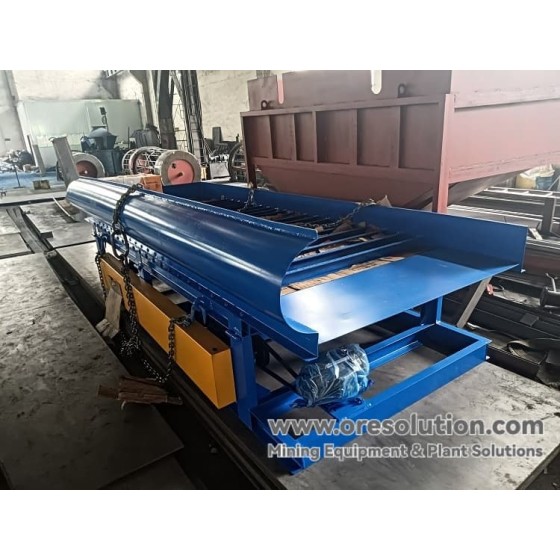
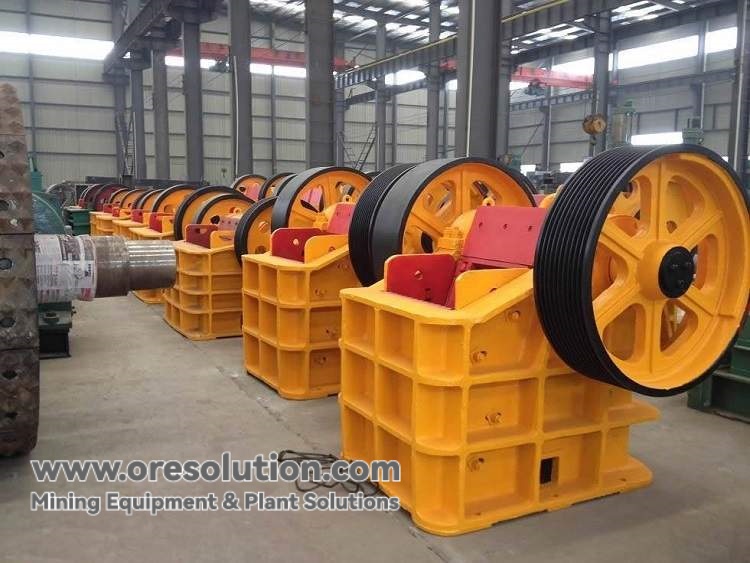
| Gravity Separation-Based | Coarse-grained free gold, placer gold | Crusher, rod mill, jig, shaking table, centrifugal concentrator, dewatering screen |
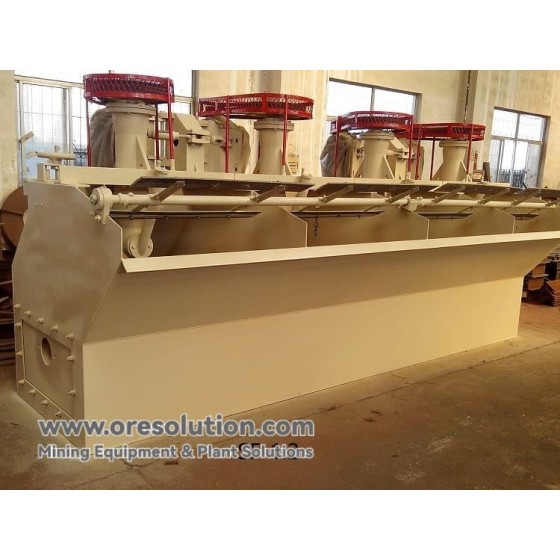
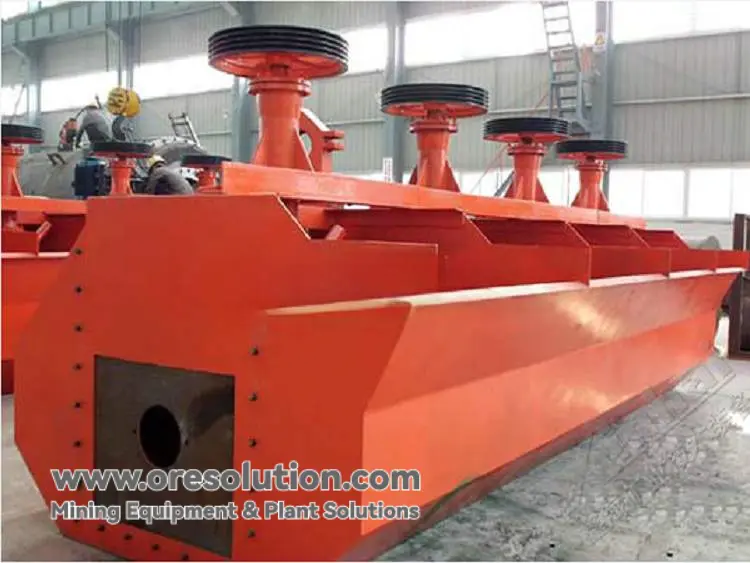
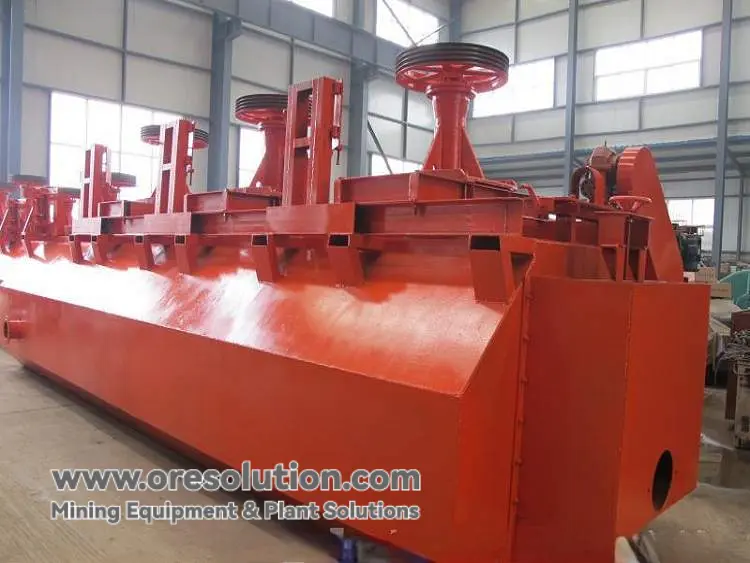
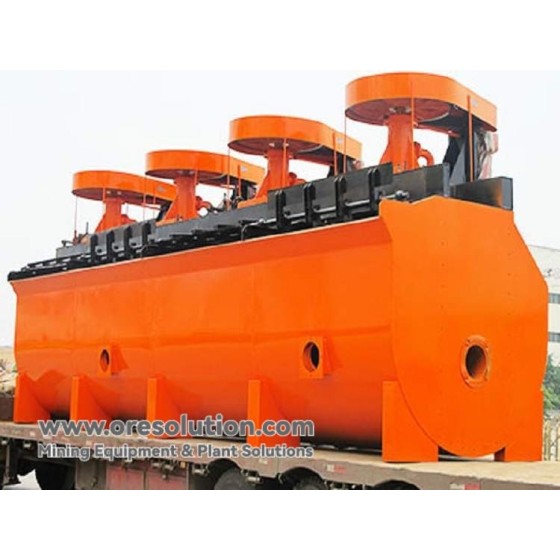
| Predominantly flotation | Gold Encrusted in Sulfide Ore | Crusher, ball mill, classifier, flotation cell, regrinding mill, thickener, filter press |
| CIL/CIP leaching | Fine-grained oxidized ore | Crusher, ball mill, carbon-in-leach tank, desorption and electrolysis equipment, gold smelter, tailings filter press |
| Combined gravity separation and flotation | Coexistence of coarse and fine particles | Crushing and grinding, jigging and shaking tables, flotation cells, thickening and filter press |
| Combined flotation and leaching | Complex associated gold deposits | Flotation units, regrinding mills, carbon-in-leach tanks, desorption and electrolysis, dry tailings disposal |
| Pre-treatment + Leaching | Arsenic- and carbon-bearing refractory ores | Roasting kiln or biological oxidation tank or pressurized oxidation reactor, carbon-in-leach (CIL) tank, desorption electrolysis |
The model of the grinding mill depends on the grinding fineness and processing capacity; the specifications of the flotation machine depend on the flotation time and slurry volume; and the selection of gravity separation equipment depends on the lower particle size limit and recovery requirements.Obtain the report first, then select the equipment; this way, you\'ll be able to understand the supplier\'s quotes. If the order is reversed, and the equipment manufacturer asks you, “What is the processing capacity? How fine do you need to grind it?”—if you can\'t answer, you\'ll have no choice but to go along with their recommendations.
Test reports and the complete set of mineral processing equipment go hand in hand; they are closely linked, with the report serving as the bridge between them. A comprehensive mineral processing plan for free gold treatment is only truly finalized at this stage.
How to Choose a Testing Facility: A Few Straightforward Tips
Look at the equipment. Does the laboratory have a full range of mills, flotation cells, and gravity separation equipment? Does it have the capacity to conduct continuous scale-up tests? A lab with only a few small mills and flotation cells will struggle to perform closed-circuit and scale-up tests.
Look at the people. Do the technicians conducting the tests have hands-on experience, or are they simply following standard procedures? Experienced engineers will probe for the cause when they see abnormal data, while inexperienced ones will merely record the numbers.
Examine the reports. Request a redacted sample report in advance to assess whether the structure is clear and the analysis is thorough. Reports that provide only results without analysis have limited reference value.
Don\'t focus solely on the quote. Testing fees vary widely depending on the type and complexity of the tests. An unreasonably low quote likely means either the scope of testing has been cut or the amount of ore sample used has been reduced. Testing fees represent a limited portion of the total line investment; the money saved by cutting testing scope is often recouped later through equipment modifications or alterations.
A Few Frequently Asked Questions
How much ore should I send? Exploratory tests start at several dozen kilograms; for closed-circuit tests, we recommend over 100 kilograms; and scale-up tests require even more. Please discuss the plan before sending samples.
How long does the testing take? Conventional process testing takes two to four weeks; projects involving closed-circuit and scale-up tests take longer. Allow extra time for complex ore types or projects with multiple comparison scenarios.
Once the tests are complete, can the process be implemented directly on the production line? The test report serves as the basis for design, not as construction blueprints. The process still requires plant design, equipment selection, installation, and commissioning. However, the report determines the framework of your process and the parameter boundaries; a solid foundation at this stage minimizes complications later on.
Gravity separation, flotation, or leaching—which one should you choose? It depends on the gold\'s particle size and occurrence. Coarse-grained free gold is best processed by gravity separation; fine-grained gold encapsulated in sulfide ores is best processed by flotation; and oxidized ores or flotation tailings should be considered for leaching. In many cases, a combined process is used rather than a single method.
Can equipment be configured based on the test report? Yes, equipment can be configured according to the parameters in the report—from crushing and grinding to separation operations—with all components matched to the process requirements. The key is to have the report in hand before discussing equipment configuration.
Commitments and Consultations
Test data is based on actual results; the report reflects the exact findings. The process plan is determined by the test results of the ore sample, and equipment is selected according to the process parameters—we will not force a configuration if the parameters do not match. For requests beyond our capabilities, we will clarify the situation before accepting the project.
If you have a free-gold ore sample but are unsure which process to follow, or if you\'re uncertain about the parameters for equipment selection, you can send the sample for a round of exploratory testing. Upon receiving the ore sample, we\'ll first discuss the testing plan and then schedule the tests.
The success of a plan begins with the tests and ends with whether the equipment configuration matches the requirements. Conduct the tests first, then finalize the plan—that\'s the only way to ensure your investment is well spent.