


Gold Tailings Reprocessing Plant: The Ultimate Guide to Eco-Mining and Wealth Recovery
For over a century, the global gold mining industry followed a linear path: extract the ore, process the easy gold, and dump the remaining "waste" into massive tailings dams. Due to the rudimentary milling and leaching technologies of the 20th century, these historical tailings dams often contain up to 40% of the original gold deposit. Today, with gold prices surging past historic highs, these forgotten dams are no longer toxic liabilities—they are the most lucrative "Urban Mines" on the planet.
However, Gold Tailings Reprocessing is not simply a matter of running old dirt through a new machine. The gold left behind in these dams is there for a reason: it is microscopic, deeply encapsulated in sulfides (like pyrite), or chemically locked by "preg-robbing" carbon. Extracting it requires an advanced metallurgical approach combining Ultra-Fine Grinding (UFG), intense cyanidation, and strict Environmental, Social, and Governance (ESG) compliance.
As a global leader in Eco-Mining and Waste Management, OreSolution designs and constructs state-of-the-art Tailings Reprocessing EPC Plants. This definitive engineering guide details how to turn toxic liabilities into bullion, the mechanics of dry-stack tailings, and how to achieve profitability from material grading as low as 0.5 g/t.
Tailings reprocessing is the ultimate ESG victory. You are not blasting new craters into the earth. You are remediating historical environmental disasters, neutralizing residual heavy metals, recovering millions of dollars in lost gold, and converting liquid, high-risk tailings ponds into safe, stable Dry Stack Tailings. It is the definition of a circular economy.
 Part 1: Why Reprocess Tailings? The Economic & Technical Baseline
Why build a dedicated tailings processing plant instead of a traditional hard rock mine? The economics are fundamentally different, driven primarily by the total elimination of mining and crushing costs.
Before designing the plant, OreSolution mandates rigorous Metallurgical Lab Testing. We must determine *why* the gold was lost initially. Was it incomplete liberation? Was the retention time too short? The answers to these questions dictate the flowsheet.
Part 2: The Flowsheet - From Slurry to Bullion
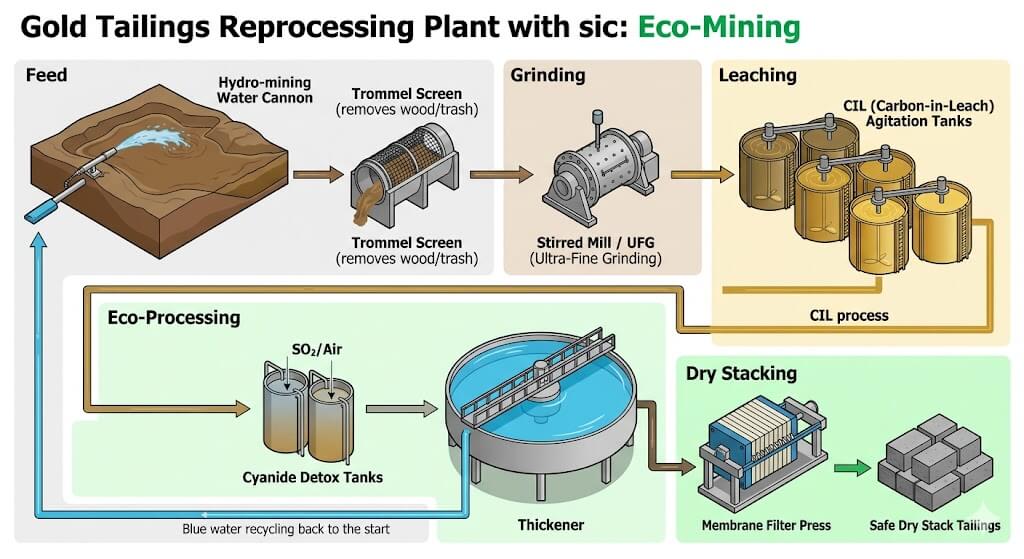
A modern tailings reprocessing plant follows a highly optimized, continuous flow designed to maximize extraction kinetics while minimizing water and energy usage.
1. Re-Pulping & Trash Removal
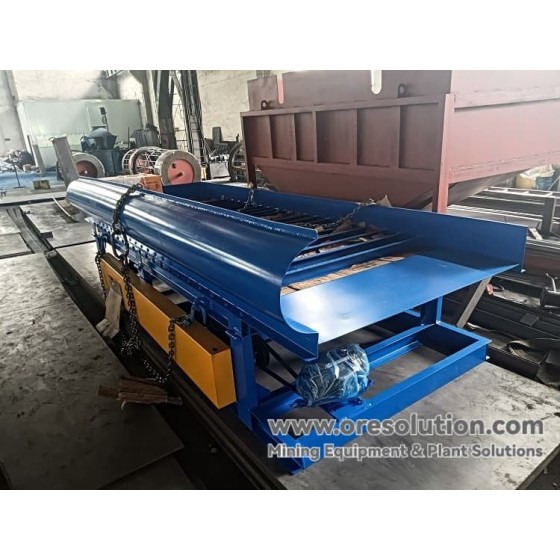
The dry or semi-dry tailings are usually extracted using high-pressure water cannons (hydro-mining), creating a slurry that is pumped directly to the plant. Before entering any processing equipment, this slurry must pass through a Trommel Screen or linear vibrating screen to remove "trash"—wood, roots, old mining debris, and plastics that have accumulated on the dam over decades.
2. Ultra-Fine Grinding (UFG) - The Key to Unlocking Gold
In historical plants, ore was typically ground to 75 microns. The gold remaining in the tailings is usually locked inside pyrite particles smaller than 20 microns. A standard Ball Mill cannot grind this fine efficiently.
To liberate this gold, we must employ Ultra-Fine Grinding (UFG).
By passing the coarse fraction of the tailings through a Stirred Mill, we expose the microscopic gold surfaces to the cyanide solution, dramatically bumping recovery rates from 30% up to 85%+.
3. High-Shear Pre-Oxidation
Old tailings are often heavily oxidized or contain high levels of cyanicides (elements like copper or iron that consume cyanide). Before leaching, the slurry is sent to conditioning tanks where intense oxygen sparging and pH adjustment (using lime) occur. This oxidizes the harmful elements, reducing cyanide consumption during the leaching phase by up to 40%.
4. The CIL (Carbon-in-Leach) Circuit
The ultra-fine, pre-oxidized slurry enters a massive CIL tank circuit.
- Because the gold is fine, the leaching kinetics are fast. However, because tailings are low-grade, the plant must process colossal volumes of slurry.
- We utilize a cascade of 6 to 8 massive agitated tanks. Cyanide dissolves the gold, and Activated Carbon is added counter-currently to adsorb the gold-cyanide complex immediately, preventing any "preg-robbing" by native carbon in the old tailings.
Part 3: Eco-Mining & Zero Liquid Discharge (ZLD)
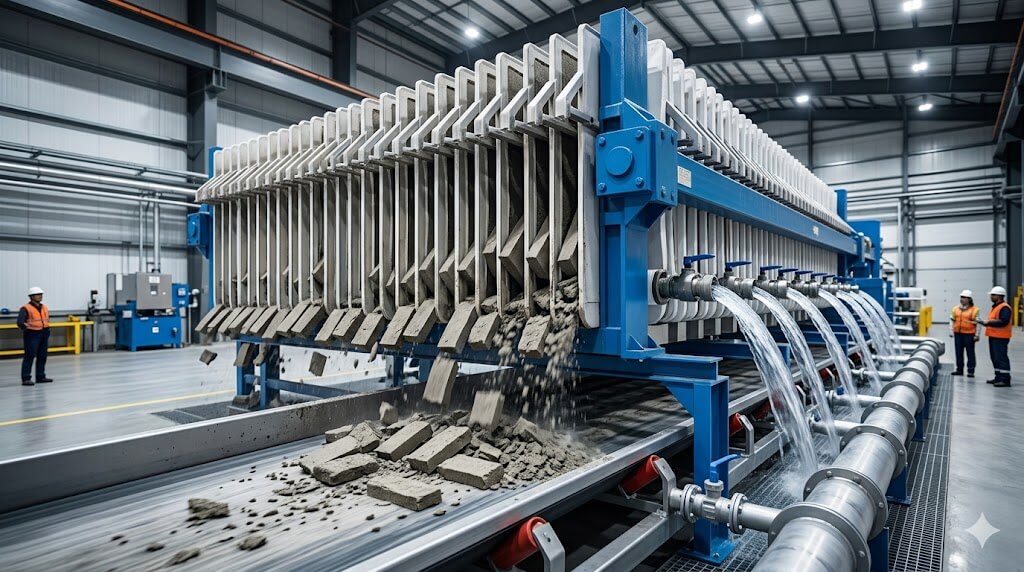
The ultimate goal of reprocessing is not just to extract gold, but to permanently eliminate the environmental hazard of the old liquid tailings dam. This is achieved through Dry Stacking.
FAQ: Troubleshooting Tailings Reprocessing Plants
A: Historical tailings have been sitting in the open air, often forming acidic, oxidized compounds (like iron sulfates) and soluble copper. These "cyanicides" will destroy your cyanide instantly. You must implement a robust Pre-Oxidation and pH conditioning phase. Add plenty of Lime to raise the pH to 10.5, and inject pure oxygen into the slurry for several hours before adding any cyanide.
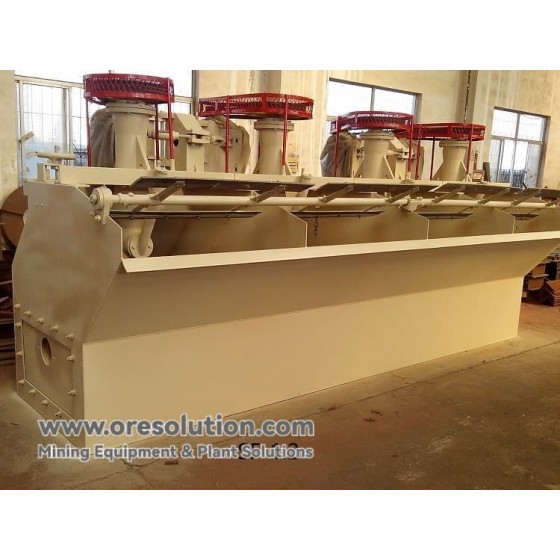
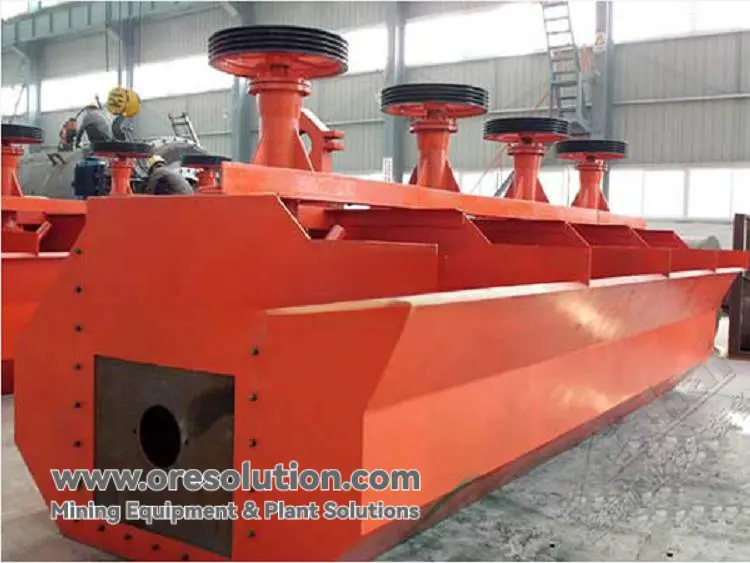
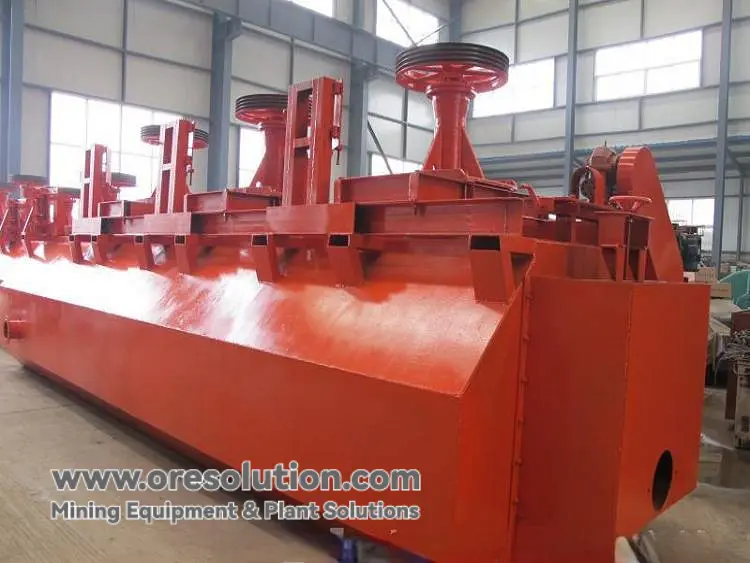
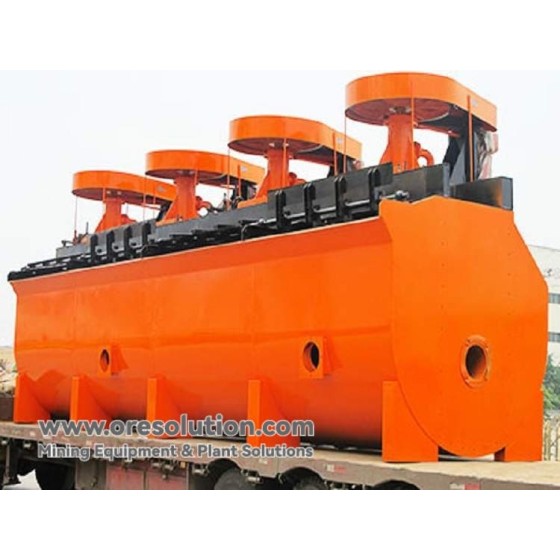
A: Yes. If the gold is primarily locked in sulfides (pyrite) and the volume of the tailings is immense, you can pass the re-pulped tailings through Air-Inflated Flotation Cells first. This floats the gold-bearing pyrite into a small, high-grade concentrate (reducing the mass by 90%). You then only need to ultra-fine grind and leach this small concentrate, saving massive amounts of CAPEX and OPEX on tank sizes.
A: Absolutely, but scale is everything. Because you have no mining or crushing costs, a 0.5 g/t operation can be highly profitable if you process a massive tonnage (e.g., 3,000 to 5,000 tons per day) using highly automated, low-OPEX CIL circuits and efficient water recycling.
Conclusion: The OreSolution Eco-Mining Advantage
Tailings reprocessing is the ultimate convergence of profitability and environmental stewardship. However, attempting to extract microscopic, refractory gold from oxidized sludge using standard, off-the-shelf equipment is a guaranteed path to failure.
At OreSolution, we engineer solutions specifically for the complexities of waste recovery. From conducting exhaustive bench-scale UFG and leaching tests, to designing and manufacturing the massive Thickeners and Filter Presses required for safe Dry Stacking, our EPC turnkey service ensures your Eco-Mining project is a financial and environmental triumph.
Do you own a historical tailings dam? Don't let that wealth sit idle. Contact OreSolution today to consult with our senior metallurgists and begin the feasibility study for your tailings reprocessing plant.