


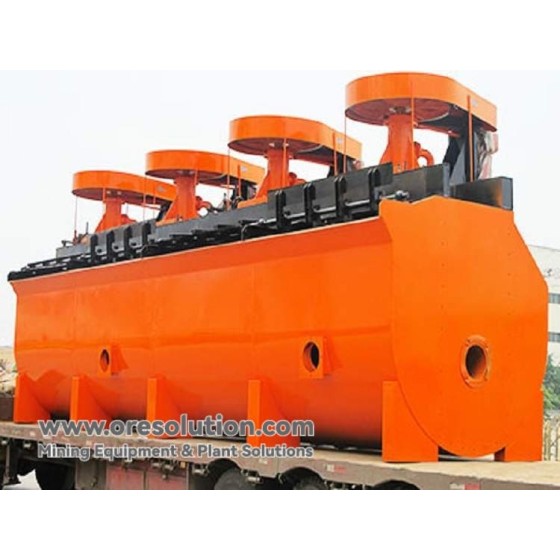
Copper Slag Reprocessing Plant: The Ultimate Guide to Eco-Mining Smelter Waste
Outside nearly every major copper smelter in the world—from the deserts of Chile to the industrial zones of China and Zambia—sit massive, black, glassy mountains of waste. This is Copper Smelting Slag. Historically considered an environmental liability and dumped into endless slag heaps, these artificial mountains harbor a lucrative secret: they often contain between 1.0% and 3.0% Copper. To put that in perspective, a natural copper mine grading at 1.5% is considered a world-class, high-grade deposit today.
With global copper demand surging due to electrification and green energy, the mining industry has realized that the cheapest and most concentrated "copper mines" are actually these man-made tailings dumps. However, recovering copper from slag is fundamentally different from processing natural copper ore. Slag is essentially a high-iron, ultra-hard artificial glass. It requires a brutally powerful comminution circuit and highly specific flotation chemistry.
As a global pioneer in Eco-Mining and Waste Management, OreSolution designs and engineers turnkey Copper Slag Reprocessing Plants. This comprehensive EPC guide breaks down the mineralogy of smelter slag, the critical challenge of high abrasion, and the "Gravity + Flotation" flowsheet required to extract premium copper concentrates from industrial waste.
A copper slag beneficiation plant represents the ultimate circular economy. Not only do you extract high-value copper concentrate (often achieving 25%+ Cu grade) with zero drilling and blasting costs, but the remaining cleaned slag (iron silicate) can be sold to the cement and abrasive sandblasting industries. You generate dual revenue streams while actively eliminating an environmental hazard.
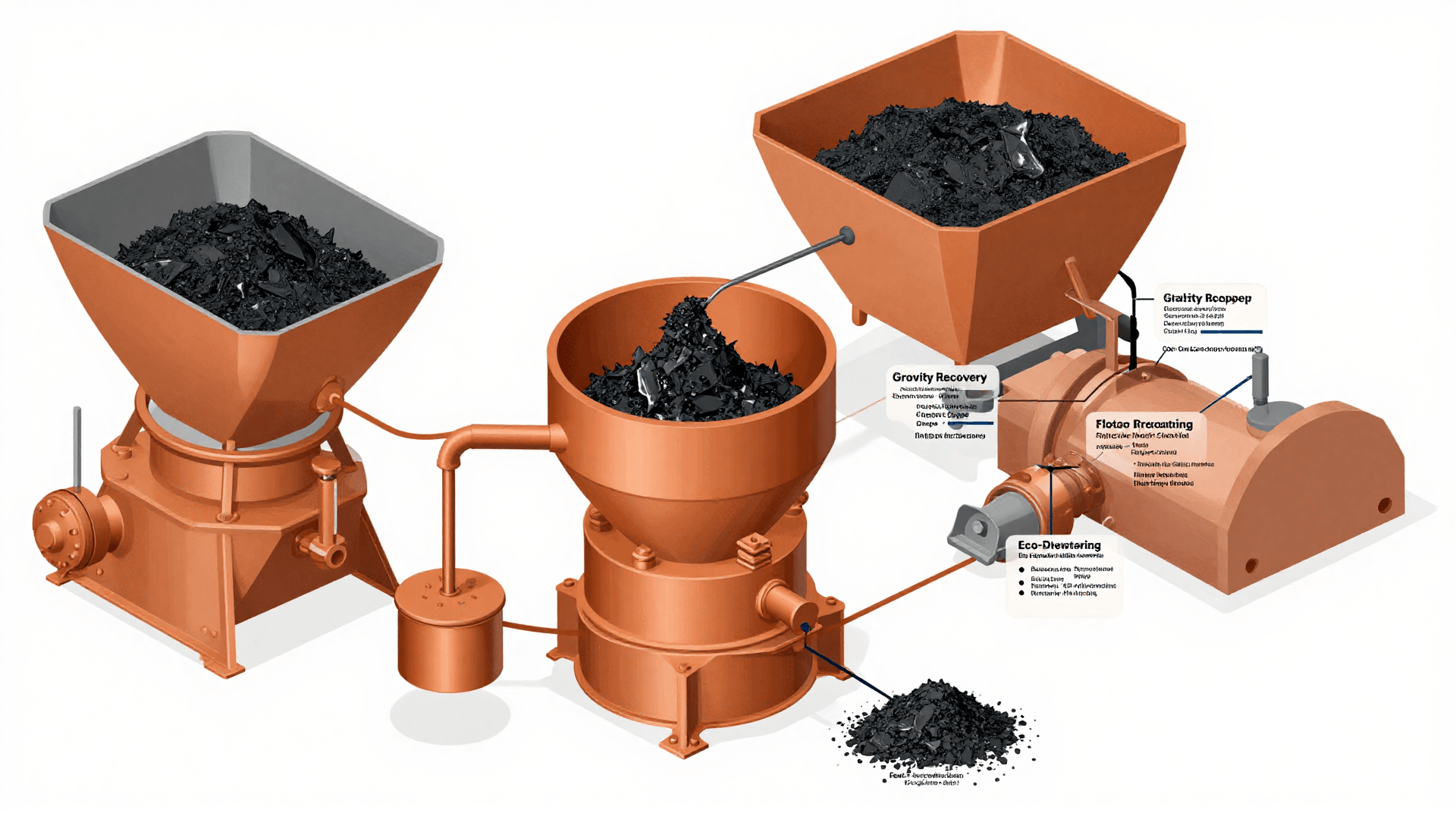 Part 1: The Mineralogy of Artificial Rock (Slag vs. Natural Ore)
To process slag, you must understand how it was formed. During smelting, copper concentrates are melted at 1200°C. The valuable copper sinks, while the iron and silica form a liquid slag that floats to the top and is poured off. When this molten slag is rapidly cooled (water-quenched) or slowly cooled in air, it traps droplets of copper.
Part 2: Comminution - Breaking the Glass Mountain
The absolute highest hurdle in a copper slag processing plant is comminution (crushing and grinding). Slag is notoriously abrasive. If you use standard, light-duty crushers, the fayalite glass will destroy your manganese steel liners within days, driving your Operating Expenditure (OPEX) to unsustainable levels.
1. Aggressive Crushing
For air-cooled (lumpy) slag, the primary reduction is handled by heavy-duty Jaw Crushers. Secondary and tertiary reduction must use robust Cone Crushers equipped with specialized, high-chrome wear profiles designed specifically for high-abrasion applications.
2. Grinding (The Tonnage Bottleneck)
To liberate the microscopic copper droplets trapped inside the slag glass, the material must be ground exceptionally fine—often to 80% passing 45 to 74 microns (200 mesh).
- The Ball Mill: OreSolution engineers these mills with thicker shells, high-power motors, and premium rubber or high-chrome alloy liners to withstand the relentless abrasive wear of the slag.
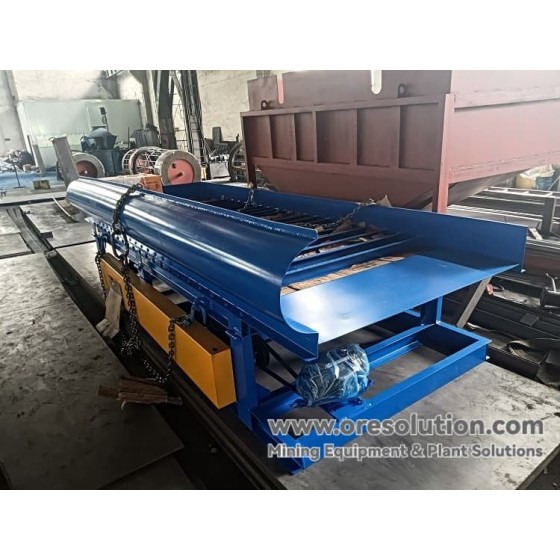
- Strict Classification: The mill operates in a closed circuit with Hydrocyclones. Because metallic copper is very heavy, cyclones can sometimes send liberated copper back to the mill, causing it to flatten out into "copper flakes" that are hard to float. To prevent this, we often place a gravity separator in the grinding loop.
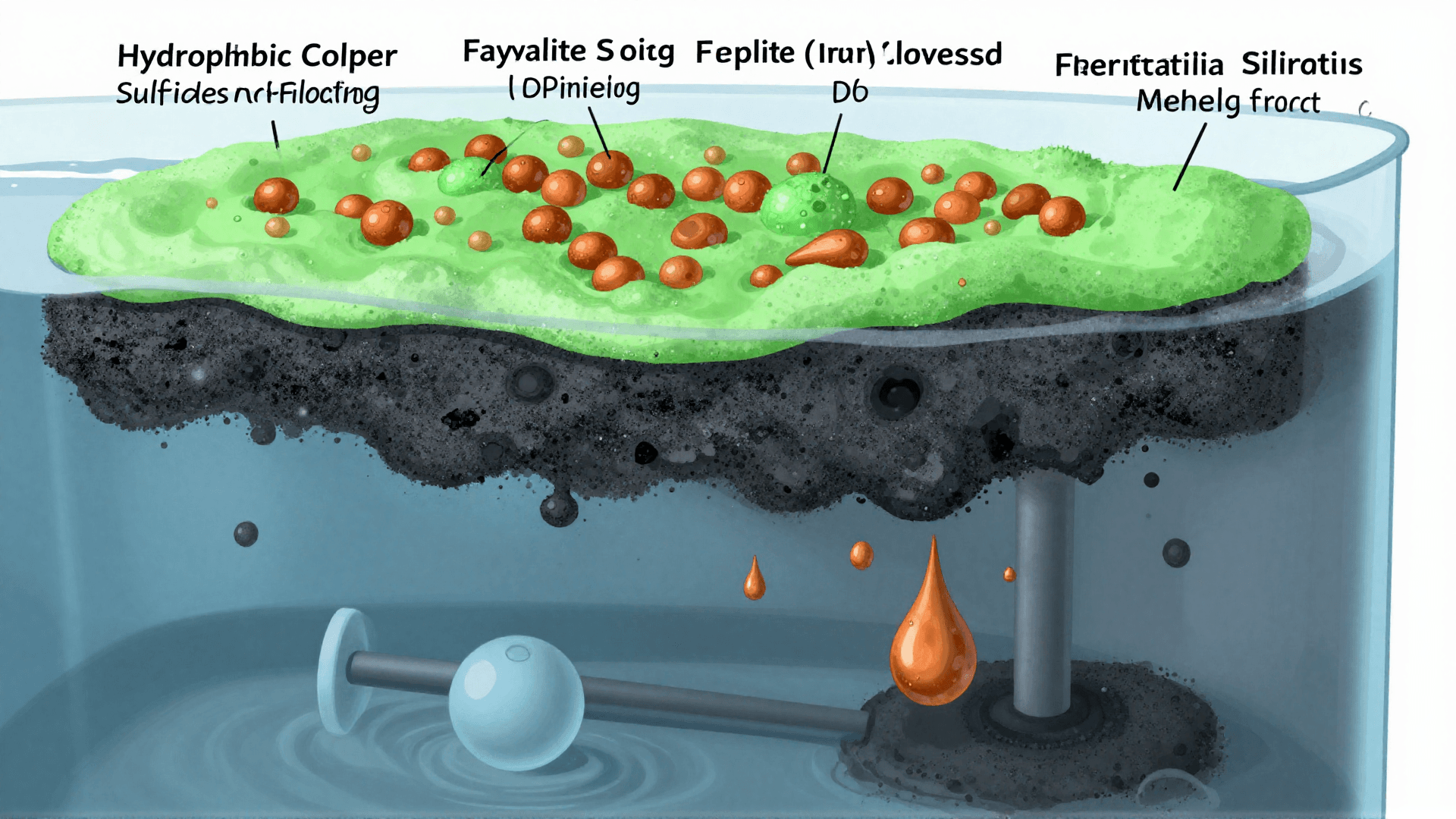 Part 3: The Hybrid Flowsheet - Gravity + Flotation
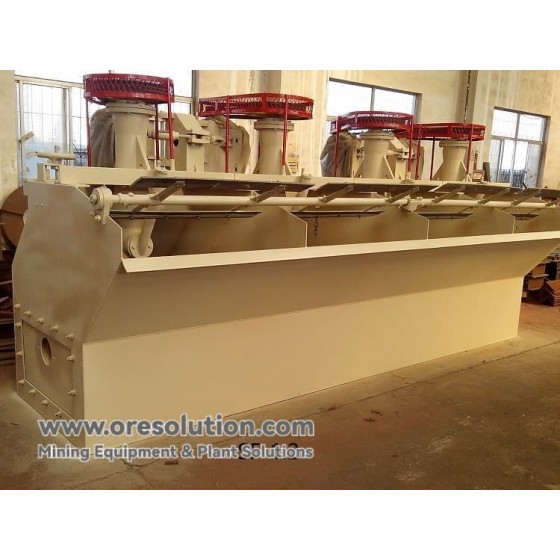
Because copper exists in slag in two distinct forms (large metallic drops and fine sulfide particles), a single recovery method will fail. OreSolution employs a dual-recovery architecture.
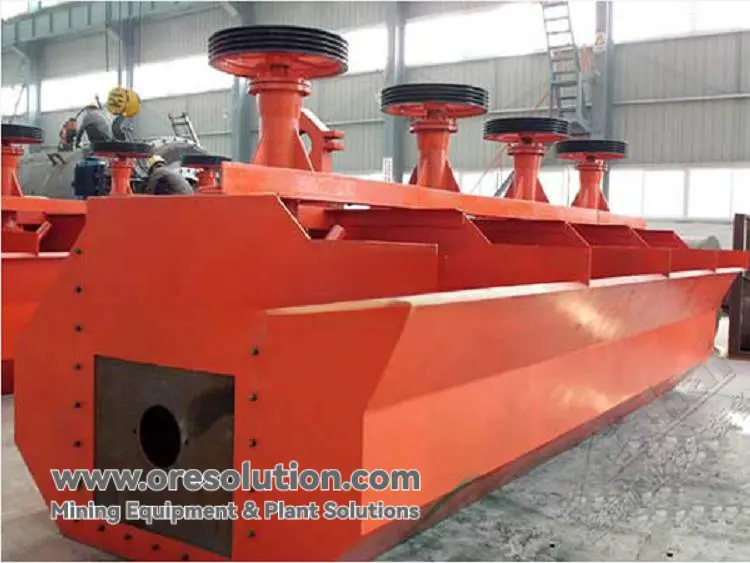
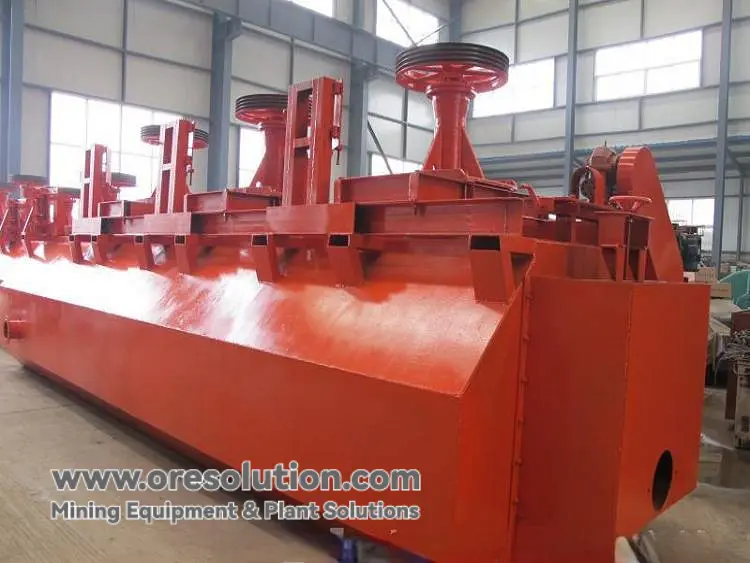
The Flotation Chemistry of Slag
Floating slag is chemically challenging. Because it contains high levels of reactive iron and has been rapidly oxidized during smelting, slag slurries can consume massive amounts of reagents.
- pH Control: Slag tends to be naturally acidic. We add significant amounts of Lime (CaO) to raise the pH to 9.0 - 10.5. This not only optimizes the collector but depresses the iron (fayalite) from floating.
- Activation: Because the copper sulfides in slag have been thermally altered, they often require "activation." Sodium Sulfide (Na2S) or Copper Sulfate is added to refresh the mineral surfaces.
- Collection: Aggressive collectors like Amyl Xanthate (PAX) or specialized Dithiophosphates are used to bind to the copper particles and lift them into the froth.
Part 4: Dewatering and Dry Stacking (Zero Liquid Discharge)
A modern slag beneficiation plant must adhere to the strictest environmental standards. Pumping wet slag tailings into a new pond defeats the purpose of Eco-Mining.
The final copper concentrate (which often reaches 20% - 30% Cu) and the massive volume of iron-silicate tailings must be aggressively dewatered.
- Thickening: Both the concentrate and tailings streams are pumped into massive High-Efficiency Thickeners, recovering 85% of the process water for immediate reuse in the ball mills.
- Filtration: The thick underflow sludge is pumped under high pressure into Plate and Frame Filter Presses. The presses squeeze out the remaining water, producing solid, dry "filter cakes."
- The copper concentrate cakes are shipped back to the smelter, while the clean, dry slag tailings cakes are sold to cement plants or safely dry-stacked.
FAQ: Expert Troubleshooting for Slag Reprocessing Plants
A: Copper slag (fayalite) is extremely abrasive. If you are using standard manganese steel liners designed for limestone or gold ore, they will be destroyed rapidly. You must upgrade to High-Chrome cast iron liners or highly specialized, thick rubber liners designed specifically for high-impact, high-abrasion environments. Additionally, ensure your ball charge ratio is correct to prevent steel-on-steel impact.
A: If grind size is adequate, the issue is chemical. Slag often contains high levels of soluble iron and copper ions that "poison" the flotation bath and consume your collectors. You must add a sulfurizing agent (like Sodium Sulfide) to precipitate these soluble ions and clean the copper surfaces before adding your Xanthate collectors.
A: The grinding strategy changes. Water-quenched slag looks like coarse black sand and bypasses the primary Jaw Crusher entirely. However, because it was cooled instantly, the copper droplets inside are microscopic (often <20 microns). Water-quenched slag requires much finer grinding (and therefore more milling energy) to achieve liberation compared to slow-cooled lump slag.
Conclusion: The OreSolution EPC Advantage in Eco-Mining
Reprocessing copper slag is one of the most profitable sectors in modern metallurgy, but it is merciless on equipment. A plant built with cheap, generic crushers and mills will suffer from catastrophic downtime and OPEX overruns within the first few months of operation.
At OreSolution, we engineer for extreme durability. From conducting extensive Bond Work Index and Abrasion tests in our laboratory to manufacturing the heavy-duty Ball Mills and High-Pressure Filter Presses required to handle this artificial rock, we deliver turnkey Copper Slag Reprocessing Plants that run continuously and profitably.
Are you sitting on a mountain of smelter slag? Don't leave that copper on the table. Contact OreSolution today to consult with our senior Eco-Mining engineers and begin the feasibility study for your recovery plant.