


Project Case Study: Delivering a 200 TPH Lithium Spodumene EPC Plant in Africa
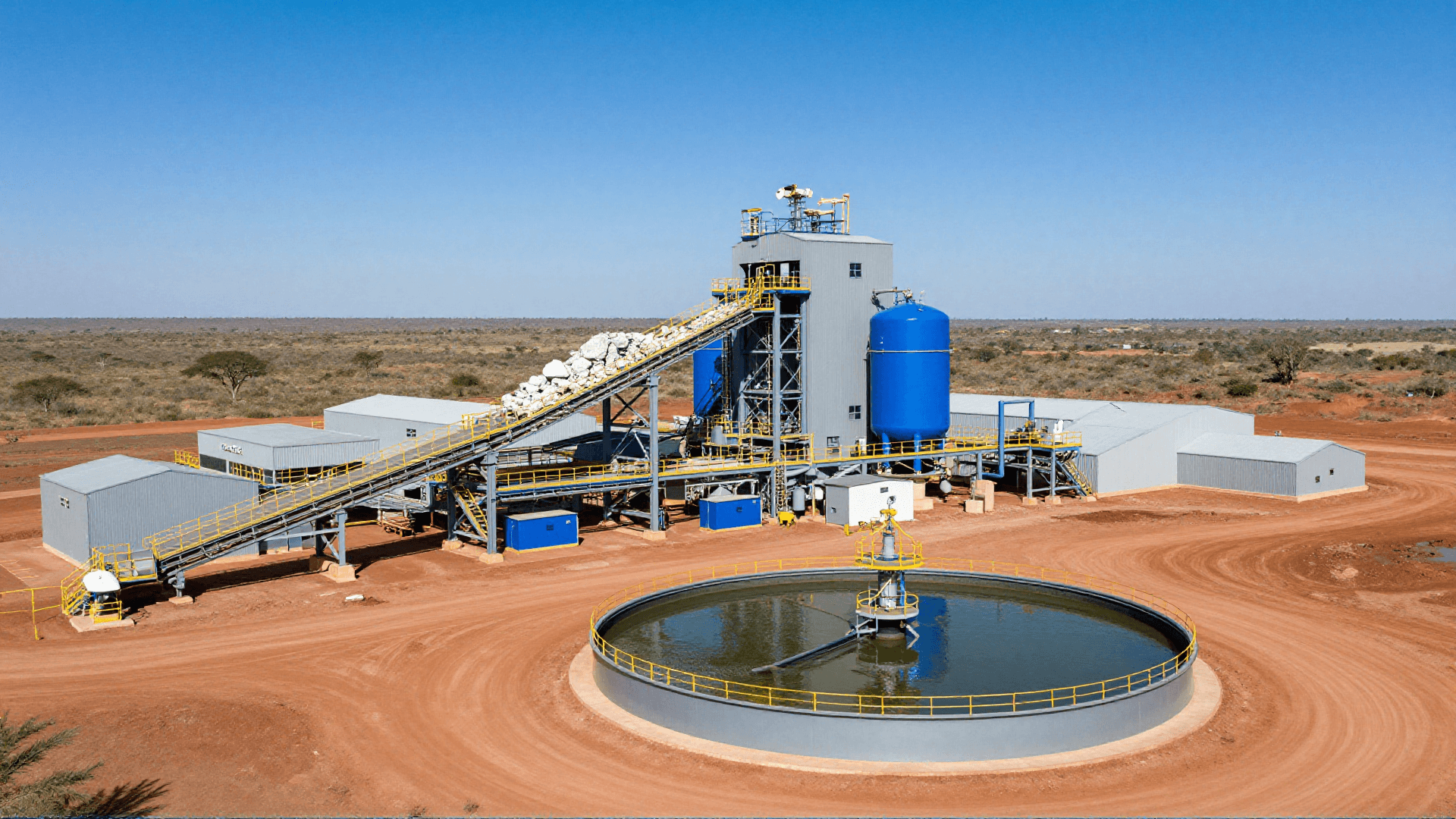
The global race for battery metals has shifted the epicenter of mining toward the African continent. With vast, untapped hard-rock lithium reserves, regions like Zimbabwe, Namibia, and Mali are experiencing a historic mining boom. However, the path from discovering a pegmatite outcrop to successfully exporting battery-grade "SC6" (6% Li2O Spodumene Concentrate) is fraught with extreme metallurgical, logistical, and infrastructural challenges.
In early 2023, an international mining consortium approached OreSolution with a formidable task: design, manufacture, construct, and commission a 200 Ton-Per-Hour (TPH) Spodumene Beneficiation Plant in a remote, greenfield location in Sub-Saharan Africa. The client had a strict 14-month deadline to catch peak global lithium prices, but faced a highly complex, iron-contaminated ore body.
This comprehensive case study provides an exclusive, behind-the-scenes look at how OreSolution executed this massive EPC (Engineering, Procurement, and Construction) project. We will walk through our methodology—from initial laboratory testing to the final handover of a fully automated Lithium Ore Production Line.
By abandoning a standard "DMS-only" flowsheet and engineering a custom Hybrid DMS + Flotation circuit, OreSolution increased the client's overall lithium recovery rate from an estimated 62% to a proven 81.5%. At 200 TPH, this 19.5% increase in recovery generated tens of millions of dollars in additional annual revenue, paying off the entire plant CAPEX within the first 9 months of operation.
Phase 1: The Challenge & Metallurgical Baseline
The project began not with heavy machinery, but in the OreSolution Metallurgical Laboratory. The client shipped 5 tons of representative drill core samples to our facility.
Our XRD and locked-cycle flotation tests revealed a critical insight: The spodumene crystals were bimodal. About 40% of the lithium was coarsely crystalline (easily recoverable by gravity), but 60% was finely disseminated within the quartz matrix. A standard Dense Media Separation (DMS) plant would have lost over half the gold to the tailings.
Phase 2: Flowsheet Engineering - The Hybrid Solution
Armed with empirical lab data, our Chief Metallurgists designed a dual-pathway, Hybrid Beneficiation Flowsheet.
1. The Comminution Strategy
To prevent the brittle spodumene from over-grinding into unrecoverable "slimes," we implemented a multi-stage crushing circuit. Run-of-Mine ore was fed into a massive primary Jaw Crusher, followed by secondary and tertiary Cone Crushers operating in a closed loop with vibrating screens, bringing the ore down to a strict -10mm size.
2. The Coarse Path: Dense Media Separation (DMS)
The 1mm to 10mm fraction was directed to a high-capacity DMS Cyclone circuit. Using a ferrosilicon medium, the heavier spodumene sank, instantly producing a coarse, high-grade concentrate at a very low operating cost.
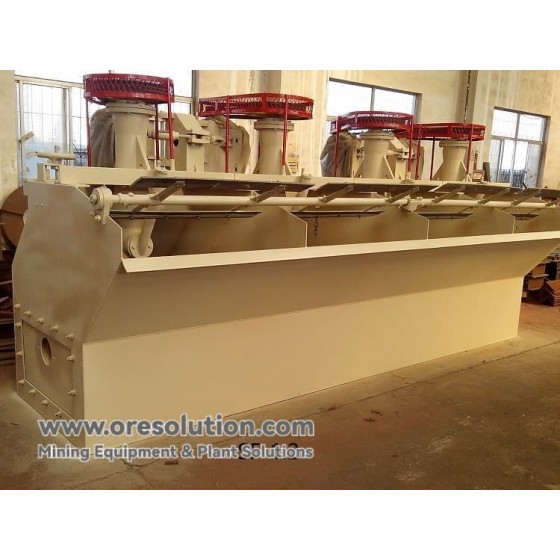
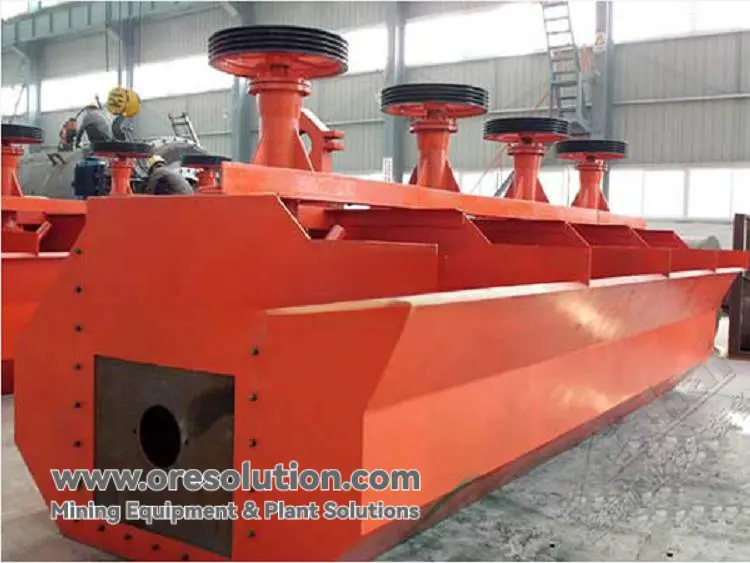
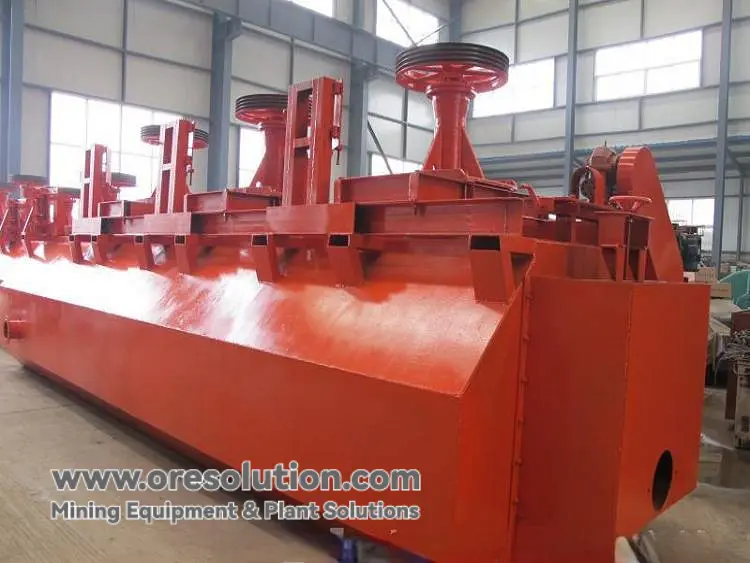
3. The Fine Path: Spodumene Flotation
The -1mm fraction, along with the "middlings" from the DMS circuit, was routed to a Ball Mill for fine grinding (P80 = 74 microns). Crucially, before entering the Air-Inflated Flotation Cells, the slurry passed through a high-efficiency Hydrocyclone cluster for aggressive desliming. Removing the ultra-fine mud (<20 microns) prevented the exorbitant consumption of fatty acid flotation collectors.
4. The Purification Path: Iron Eradication
To solve the high-iron penalty, both the DMS and Flotation concentrates were passed through a series of High-Gradient Wet Magnetic Separators (HGMS) operating at 1.2 Tesla. This successfully pulled the iron-bearing tourmaline and hematite out of the product, dropping the Fe2O3 content from 1.8% down to a premium 0.6%.
Phase 3: Equipment Manufacturing & Global Logistics
With the flowsheet approved, OreSolution's manufacturing divisions shifted into high gear. Operating as an integrated EPC provider means we manufacture the core equipment in-house, eliminating the delays and quality-control issues associated with third-party vendors.
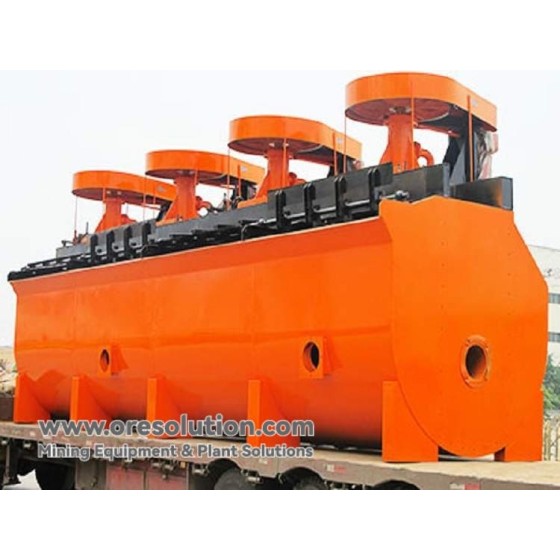
- Fabrication: Over 150 pieces of major equipment were fabricated, including a custom 3.2m x 5.4m Ball Mill, a 30-meter High-Efficiency Thickener, and 24 large-volume flotation cells.
- Modularization: To overcome the lack of heavy lifting equipment at the African site, much of the structural steel and piping was modularized and pre-assembled in our factory, then broken down for shipping.
- Logistics: Transporting over 120 shipping containers from the port to a remote inland site required reinforcing local bridges and coordinating continuous convoy schedules over dirt roads during the dry season.
Phase 4: Site Construction & Commissioning
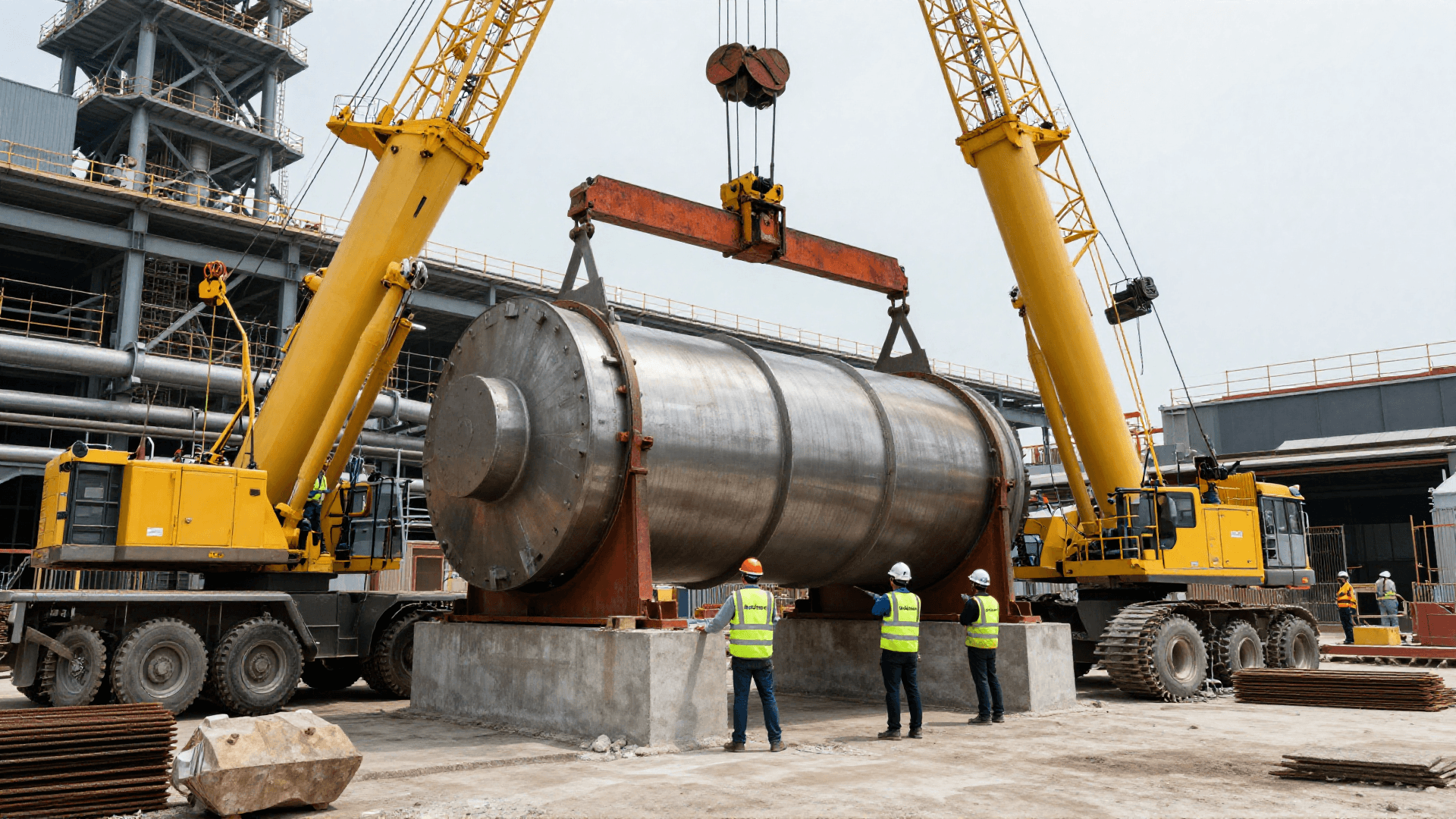
OreSolution deployed a multinational team of 45 expert engineers, supervisors, and metallurgists to the site, managing a local workforce of over 300 personnel.
The commissioning phase is where the EPC contractor's true value is tested. Our metallurgists spent 30 days fine-tuning the pH levels, adjusting the cyclone apexes, and balancing the flotation froth depths. The plant was fully integrated with a Filter Press tailings system, achieving Zero Liquid Discharge (ZLD)—a critical requirement for the ESG-conscious investor board.
Phase 5: Final Results & Handover
At Month 14, OreSolution successfully handed over the keys to the fully operational plant. The performance metrics during the 72-hour continuous performance test shattered the initial feasibility study targets:
- Throughput: Stabilized at 215 TPH (Exceeding the 200 TPH design).
- Final Concentrate Grade: 6.15% Li2O (Premium SC6 grade achieved).
- Iron Impurity: 0.58% Fe2O3 (Well below the 0.8% penalty threshold).
- Global Recovery Rate: 81.5% (A massive success for a bimodal ore body).
FAQ: Learnings for Future Mining Investors
A: The client chose the EPC (Turnkey) model because it transfers the ultimate risk of integration to OreSolution. If the ball mill didn't match the flotation capacity, or if the recovery rate failed to hit 6%, it was our financial responsibility to fix it. This single-point accountability was critical for their bank financing.
A: The 200 TPH plant required over 6 Megawatts (MW) of continuous power. As part of the EPC package, we designed and integrated a synchronized diesel generator power plant, equipped with smart load-shedding capabilities to ensure the critical thickeners and agitators never lost power during a trip.
A: Yes. Because we installed a robust, multi-stage flotation circuit rather than just a DMS plant, the facility is highly adaptable. With minor modifications to the reagent dosing system and desliming parameters, the plant can successfully float lepidolite ore if the spodumene veins are exhausted.
Conclusion: Turning Rock into Revenue
The successful delivery of this 200 TPH Lithium Spodumene plant in Africa stands as a testament to the power of integrated EPC execution. By refusing to cut corners during the laboratory testing phase, and by maintaining strict quality control from our manufacturing floor to the African bush, we transformed a challenging, high-iron pegmatite deposit into a highly lucrative battery metals asset.
At OreSolution, we don't just build processing plants; we engineer profitability. Whether you are developing a lithium deposit in Africa, a copper mine in South America, or a gold CIL plant anywhere in the world, we have the global footprint and metallurgical expertise to deliver.
Do you have a mineral deposit ready for commercial development? Contact OreSolution today to discuss your project and discover how our Turnkey EPC services can guarantee your success.