


Global Mineral Processing Trends (2026-2030): How AI, ESG, and Critical Minerals are Reshaping the EPC Market
The global mining industry is undergoing its most profound transformation since the industrial revolution. As we navigate the latter half of the 2020s, the narrative has shifted dramatically. The days of simply extracting high-grade, easily accessible ores with brute-force machinery are over. Today, the sector is defined by declining ore grades, stringent environmental regulations, and an insatiable geopolitical thirst for "Critical Minerals" essential for the energy transition.
For mine owners, investors, and governments, the margin for error in plant design has vanished. A mineral processing facility is no longer just a collection of crushers and flotation cells; it must be a hyper-efficient, data-driven ecosystem. This reality is forcing a fundamental change in how projects are executed, elevating the role of integrated Engineering, Procurement, and Construction (EPC) providers from mere equipment suppliers to strategic technological partners.
Drawing on data from active projects across Africa, Asia, and the Americas, OreSolution presents an authoritative analysis of the macro-trends dictating the future of mineral beneficiation from 2026 to 2030.
The defining characteristic of the 2026-2030 mining cycle is Complexity. Ore bodies are becoming polymetallic and finer-grained. Environmental mandates require near-zero liquid discharge. To remain profitable, mining companies must abandon fragmented equipment procurement and embrace holistic, technology-driven EPC solutions that guarantee recovery rates and compliance from day one.
Trend 1: The "Critical Minerals" Super-Cycle
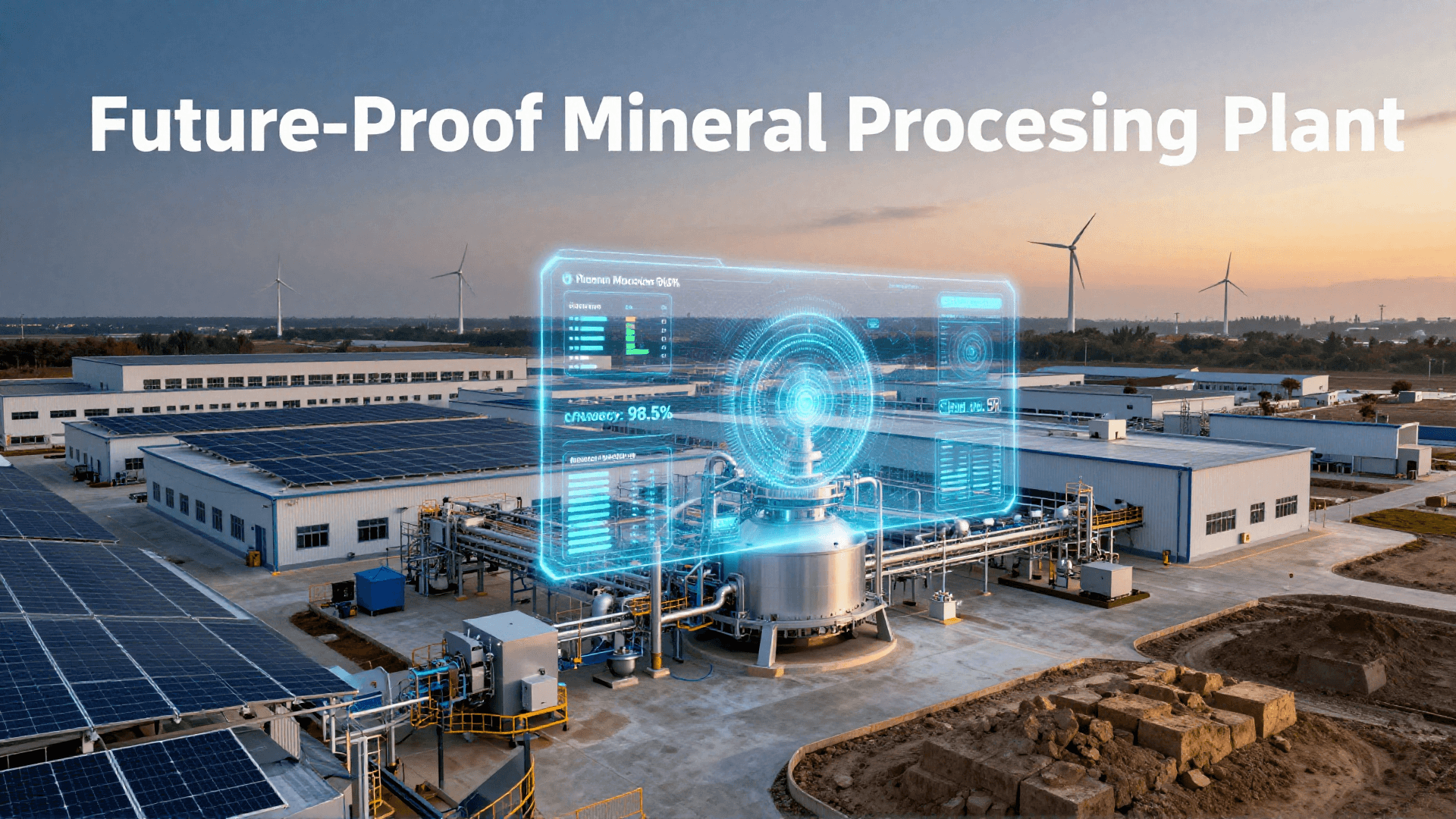
While traditional base metals like copper and iron ore remain foundational, the geopolitical landscape is heavily skewed toward securing supply chains for the energy transition and advanced technologies. The processing of these minerals presents unique metallurgical hurdles.
The EPC Implication: You cannot buy an off-the-shelf plant for these minerals. Successful extraction demands rigorous metallurgical laboratory testing to formulate custom reagent regimes and flowsheet architectures.
Trend 2: ESG (Environmental, Social, and Governance) as a Hard Baseline
Prior to 2020, ESG was often treated as a corporate buzzword. Today, it is a hard requirement for securing project financing. Global banks and funds will simply not underwrite a processing plant that does not meet strict environmental standards.
1. The War on Water (Dry Processing & Paste Tailings)
Water scarcity is the single biggest operational risk for mines in regions like South America, Africa, and Australia. The processing plants of the future are being designed to drastically reduce fresh water consumption.
- Dry Separation: We are seeing a surge in demand for Dry Magnetic Separators and Sensor-Based Ore Sorting early in the comminution circuit to reject barren rock before it ever touches water or consumes grinding energy.
- Maximized Dewatering: The era of large, wet tailings dams is ending due to catastrophic failure risks. Modern EPC designs mandate massive High-Efficiency Thickeners followed by Plate and Frame Filter Presses to produce "dry stack" tailings and recover >85% of process water.
2. Cyanide Destruction & Detoxification
In Gold CIL/CIP plants, the days of discharging untreated cyanide into ponds are over. Modern plants must incorporate robust INCO SO2/Air or Hydrogen Peroxide detoxification circuits to destroy free and WAD (Weak Acid Dissociable) cyanide down to parts-per-million levels before discharge.
Trend 3: The Integration of AI and Plant Automation
The processing plant of 2030 will not be run by operators turning manual valves based on visual intuition. It will be governed by Advanced Process Control (APC) and Artificial Intelligence.
- Smart Comminution: Sensors inside Ball Mills and SAG mills continuously monitor acoustic emissions and power draw. AI algorithms automatically adjust feed rates and water addition to prevent the mill from "choking," maximizing throughput and preventing over-grinding.
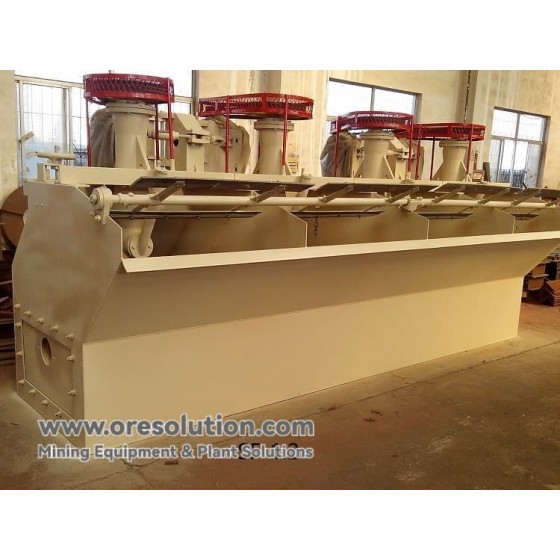
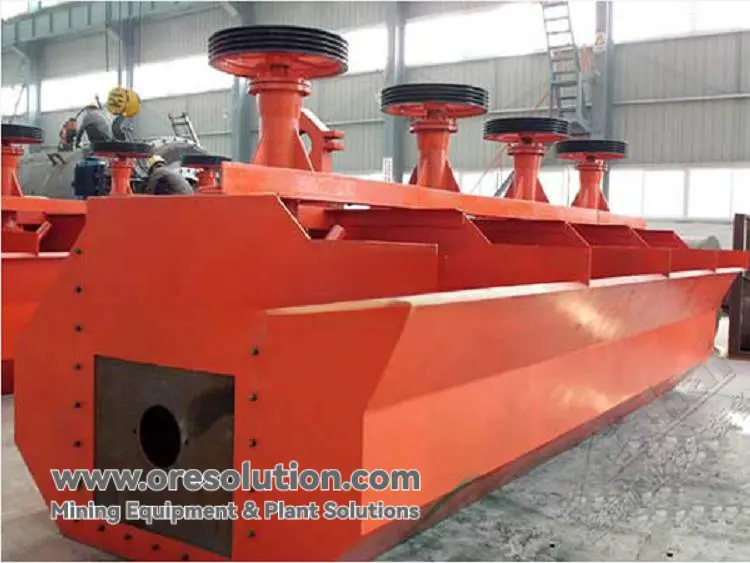
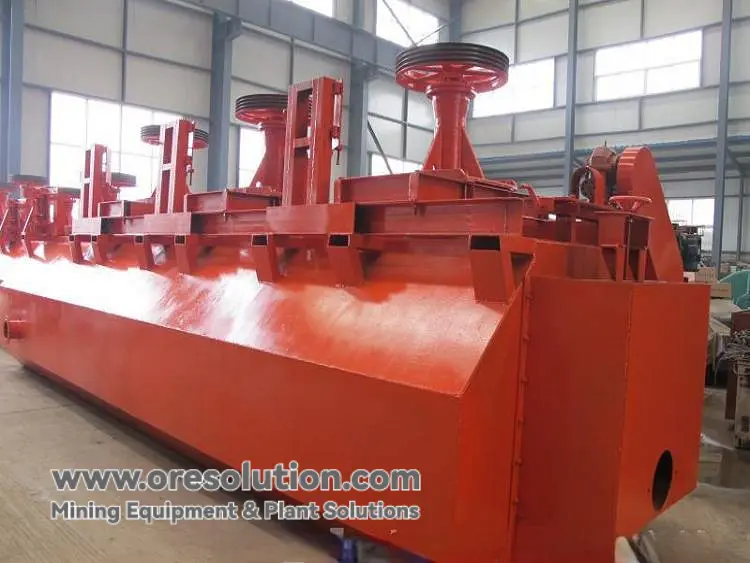
- Flotation Machine Vision: Cameras installed above Flotation Cells analyze the color, size, and velocity of the froth bubbles in real-time. The AI instantly tweaks collector and frother dosing pumps to maintain optimal grade and recovery, reacting to changes in ore feed far faster than a human operator could.
OreSolution incorporates foundational PLC/SCADA automation frameworks into our EPC designs, ensuring the plant is "AI-Ready" for future upgrades.
Trend 4: The Evolution of the EPC Delivery Model
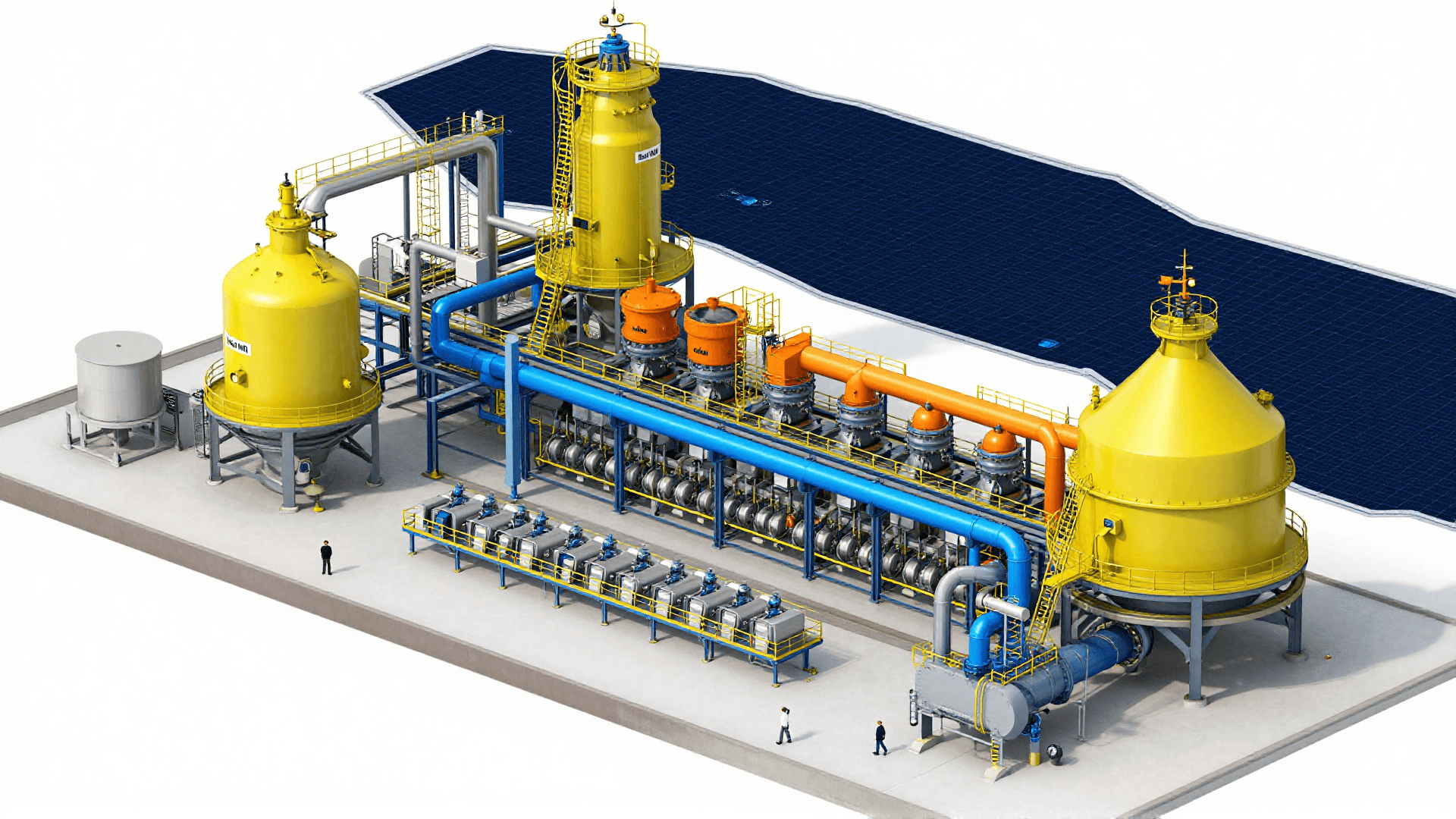
Because of the converging complexities of declining grades, difficult metallurgy, and strict ESG rules, the way mining companies build plants has fundamentally changed.
FAQ: Navigating the Future of Mineral Processing
A: Lower grades mean you must process significantly more rock to get the same amount of metal. This necessitates larger crushing and grinding circuits (higher CAPEX). To offset this, modern designs heavily incorporate "Pre-Concentration" (using Gravity Jigs or Dry Magnetic separation) immediately after crushing to throw away 20%-30% of the waste rock before it enters the energy-intensive milling phase.
A: Yes. The most common brownfield upgrades involve replacing outdated settling ponds with modern Deep Cone Thickeners and Filter Presses to achieve dry-stack tailings and recycle water. Another frequent upgrade is replacing energy-hungry mechanical flotation cells with high-efficiency Air-Inflated Flotation Machines to reduce power consumption and improve recovery.
A: Time to market and guaranteed performance. Integrating complex circuits (like Double-Reverse Phosphate flotation or Heated Scheelite flotation) requires specialized metallurgical expertise. An EPC contract provides a "Turnkey" solution with a fixed price and a guaranteed recovery rate. If the plant fails to hit the target grade during commissioning, the EPC provider is responsible for fixing it, not the mine owner.
Conclusion: Partnering for the Next Decade
The mineral processing plants commissioned between 2026 and 2030 will define the success of the global energy transition. They must be smarter, cleaner, and more efficient than anything built in the previous century. Navigating this complexity requires more than just heavy machinery; it requires deep metallurgical intelligence and integrated engineering.
At OreSolution, we don't just anticipate industry trends; we engineer them into reality. From pioneering complex Lithium extraction flowsheets to implementing zero-liquid-discharge dewatering systems, our comprehensive EPC services are designed to future-proof your mining investment.
Are you planning a new processing facility or upgrading an existing plant? Contact OreSolution today to discuss your project with our senior strategic engineers and ensure your operation is ready for the demands of the future.